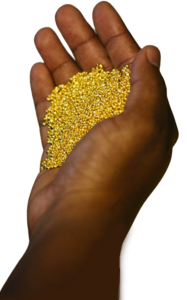
Buy Gold from Congo from Certified Congo Gold Dealers
Buy Gold from Congo: The Democratic Republic of the Congo is not merely a gold-producing country. It is one of the most mineral-rich landmasses on earth — a Central African giant sitting atop an estimated USD 24 trillion in untapped mineral reserves, producing gold that tests at 97 to 99.9 percent purity, and supplying a growing share of the world’s investment-grade bullion to buyers across North America, Europe, the Middle East, and Asia.
In 2026, as global gold prices surge past USD 4,500 per troy ounce on the back of Federal Reserve policy uncertainty, persistent inflation, and geopolitical instability across multiple continents, buying gold from Congo has become one of the most strategically sound and financially compelling decisions an investor can make.
This guide gives you the complete picture — the gold landscape, the production data, the 2026 prices in USD and Congolese Francs, the types of gold available, where to buy it safely, the legal framework governing transactions, the risks you must mitigate, and the one partner you should trust to navigate it all.
Whether you are a first-time buyer exploring Congo gold for investment, a bullion trader sourcing authentic DRC gold bars for resale, or an institutional buyer building a physical gold reserve, everything you need is here.
Why Congo Gold Matters in the Global Market in 2026
The Democratic Republic of the Congo ranks among the world’s most significant gold producers, contributing meaningfully to global supply with output reaching approximately 43,000 kilograms annually according to U.S. Geological Survey data.
In recent production tallies, the DRC was recorded as the 17th largest gold producer worldwide, with projections indicating a modest compound annual growth rate of approximately 0.88 percent through 2027.
In 2022, over 2,159 thousand ounces of gold came from the DRC, making it the 6th largest gold producer in the world at that point in time — a position driven by both industrial mining operations and the vast artisanal and small-scale mining sector that employs between 200,000 and 300,000 people across more than 1,000 active sites in the eastern provinces.
In 2026, the context for buying gold from the DRC has never been more compelling. The live gold spot price as of June 2, 2026 stands at approximately USD 4,526 per troy ounce, with 1 gram of gold priced at USD 145.54 and 1 kilogram at USD 145,541.
Gold’s record high of USD 5,602.22 per troy ounce was achieved on January 28, 2026, underscoring the strength of the current bull market and the momentum driving institutional and retail demand simultaneously.
Against this backdrop, Congo’s locally competitive gold prices — reflecting lower production costs, currency dynamics, and proximity to artisanal sources — continue to offer buyers meaningful value relative to global benchmarks.
The top industrial gold producers operating in the DRC include Barrick Gold and AngloGold Ashanti, whose Kibali Mine in Haut-Uele Province remains one of the largest gold mines in Africa.
As of 2021, AngloGold recorded output of approximately 277,840 ounces from Congolese operations, while Barrick recorded approximately 269,130 ounces — together representing the formal sector’s contribution to what is a much larger overall production picture when artisanal output is included.
Current Gold Prices in Congo in 2026: USD and Congolese Franc Rates
Understanding the current gold price in Congo requires understanding two moving variables simultaneously: the global LBMA spot price and the prevailing USD-to-Congolese Franc exchange rate, which together determine what buyers pay in local currency terms.
In May 2026, the gold price in the DRC stands at approximately USD 145 to USD 146 per gram for 24K gold — equivalent to approximately CDF 332,000 to CDF 335,000 per gram — based on the LBMA spot price of approximately USD 145.96 per gram and a USD-to-CDF exchange rate of approximately 2,297.
For buyers tracking the Congo gold price across common weight units in 2026: the 1-ounce gold price in DRC stands at approximately USD 4,539 to USD 4,564; the 1-kilogram gold price in Congo is approximately USD 145,960 to USD 146,000; and the 1-tola gold price in DRC is approximately USD 1,702 to USD 1,704.
The table below provides the current approximate gold prices for 24K and 22K gold across all common transaction units in Congo, updated to June 2026 market conditions:
| Unit | 24K Gold Price (CDF) | 24K Gold Price (USD) | 22K Gold Price (CDF) | 22K Gold Price (USD) |
|---|---|---|---|---|
| Per Gram | ~424,500 | ~$145.54 | ~389,100 | ~$133.41 |
| Per 10 Grams | ~4,245,000 | ~$1,455.40 | ~3,891,000 | ~$1,334.10 |
| Per Ounce | ~13,201,000 | ~$4,526.84 | ~12,101,000 | ~$4,149.47 |
| Per Kilogram | ~424,500,000 | ~$145,541.00 | ~389,100,000 | ~$133,412.00 |
| Per Tola | ~4,950,000 | ~$1,697.00 | ~4,539,000 | ~$1,556.00 |
Prices are indicative and fluctuate with live spot markets and USD-CDF exchange rates. Always verify current rates with licensed dealers before transacting.
The USD-to-CDF exchange rate dynamic is critically important for CDF-holding Congolese savers: a weaker Congolese Franc means higher CDF gold prices even when the USD spot price holds steady — a dynamic that has made gold an increasingly important wealth preservation tool for local currency holders.
For USD-denominated international buyers, Congo’s artisanal and semi-refined gold continues to trade at a meaningful discount to refined benchmark prices — typically 5 to 15 percent below global averages for raw doré material — making bulk gold purchases from Congo among the most cost-efficient sourcing strategies in the African market.
Is Congo’s Gold Good? Purity, Quality, and What Investors Need to Know
One of the most frequently asked questions among first-time buyers researching Congo gold quality is straightforward: is the gold actually good? The answer, for properly sourced and verified material, is unambiguously yes.
Gold from Congo often tests at 97 to 99.9 percent purity, making it entirely suitable for investment-grade bars, refinery intake, and bullion trading at international standards.
Industrial gold produced at the Kibali Mine and similarly operated large-scale facilities meets LBMA Good Delivery specifications, carrying refinery hallmarks, serial numbers, and assay documentation recognised at every institutional level of the global gold market.
Artisanal doré gold from the eastern provinces — Kivu, Ituri, and Maniema — requires independent assay verification before it trades at refined gold pricing, because the purity of artisanal material varies depending on the ore body, the processing method, and the presence of silver, copper, and trace elements in the raw alloy.
Buying artisanal gold from Congo without independent assay certification is a risk that experienced buyers manage through third-party laboratory testing, not through trust in the seller’s declarations.
The distinguishing characteristic of Congo’s finest gold is its geological origin. The eastern DRC sits atop Archean-age greenstone belts — some of the oldest gold-bearing geological formations on earth — whose mineralogy produces gold with a naturally high native purity and a distinctive trace element signature that assayers familiar with the material recognise immediately.
When sourced correctly and certified properly, DRC gold bars and nuggets represent some of the finest investment-grade material available anywhere on the African continent.
The Gold Mining Landscape in the DRC: Industrial and Artisanal Sectors
Congo’s gold mining divides into two fundamentally different operational worlds, and understanding both is essential for any buyer seeking to navigate the DRC gold market with confidence.
Industrial gold mining in Congo is concentrated in the northeast, anchored by the Kibali Mine in Haut-Uele Province — one of Africa’s largest single gold mines, operated as a joint venture by Barrick Gold and AngloGold Ashanti. Kibali produced over 277,000 ounces in 2021 and contributes the overwhelming majority of the DRC’s formally reported and officially exported gold.
Industrial operations generated 88.2 percent of official exports in the first quarter of 2024, with the Kibali mine selling gold at competitive international rates through established LBMA-compliant export channels.
The Twangiza Mine in Sud-Kivu Province, the first commercial gold mining operation established post-independence, and the Namoya Project in Maniema Province are additional significant industrial producers contributing to the country’s formal gold output.
Artisanal and small-scale gold mining in the DRC — the sector that employs the most people and produces the greatest volume of informal output — operates across more than 1,000 sites in North Kivu, South Kivu, Ituri, Maniema, and Haut-Uele provinces.
Estimates suggest ASM accounts for 15 to 22 tons of gold annually, though a significant proportion of this material moves through informal channels rather than official export routes.
Key artisanal hubs include Bunia in Ituri Province, where individual sites yield 1 to 2 grams per week per miner, and the mining communities around Rubaya and Luhwindja in the Kivus.
ASM gold from these regions is typically sold as raw doré, gold dust, or minimally processed nuggets that require refinery processing before reaching investment-grade standards.
The challenges of the Congo gold mining sector are real and must be understood by any serious buyer. Approximately 80 percent of exported gold sells below global rates due to underreporting and informal trading, per CTCPM data.
The UN estimates that approximately USD 400 million in gold is smuggled out of the DRC annually, primarily through Uganda, Rwanda, and Burundi. Armed group presence at mining sites in North and South Kivu — particularly the M23 rebel movement and affiliated networks — creates both an ethical sourcing challenge and a supply chain integrity requirement that responsible buyers must address through documented due diligence.
Types of Gold Available in Congo: What You Can Buy
The DRC offers a broader range of gold product types than almost any other African gold market, reflecting the diversity of its production landscape from large industrial refineries to artisanal mining communities.
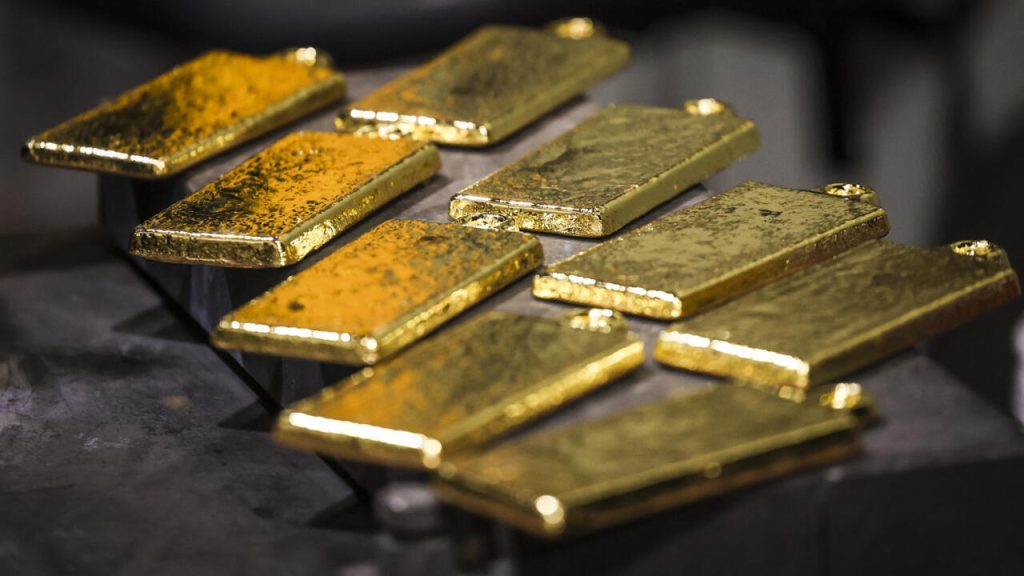
Investment-grade gold bars from Congo are the primary product sought by institutional and high-net-worth buyers. Available in sizes ranging from 1 gram to 1 kilogram, investment-grade bars from industrial sources — including Kibali Mine production processed through LBMA-accredited refineries — carry 99.5 to 99.99 percent purity certification, serial numbers, and hallmarks meeting international trading standards.
Artisanal doré bars are more affordable but require independent assay verification and typically need refinery processing to reach LBMA Good Delivery specification.
Certified gold bars from the DRC are available through licensed dealers including Buy Gold Bars Africa Ltd, which sources directly from verified DRC mining partners and supplies fully documented bars to international buyers.
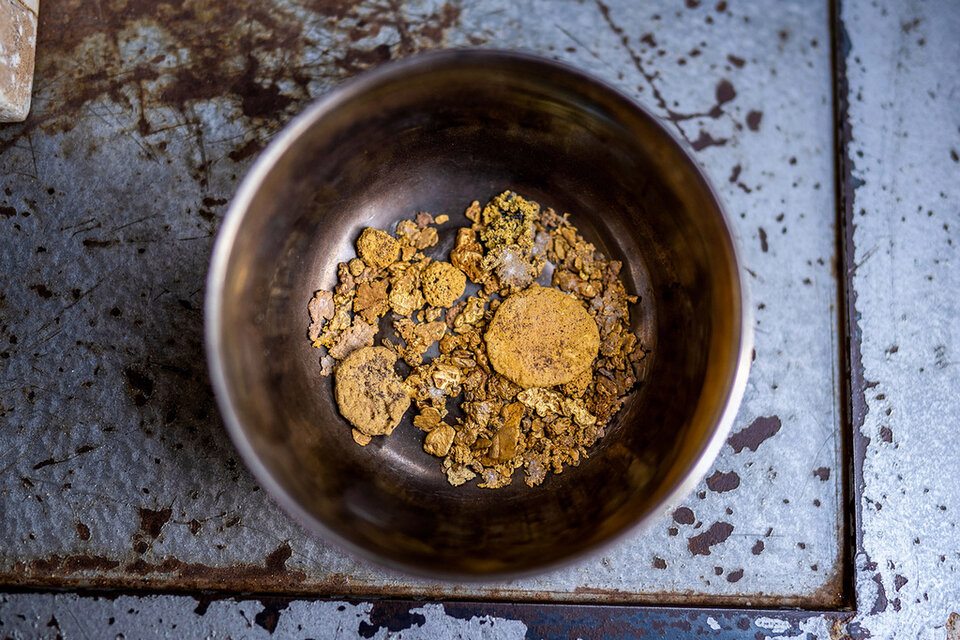
Gold nuggets from Congo are natural, unprocessed gold pieces sourced primarily from artisanal mines in the Kivu and Ituri provinces. Nuggets are popular among collectors, raw material investors, and buyers who intend to have the gold refined before resale. Purity ranges from 90 to 97 percent depending on the source formation, and buying Congo gold nuggets through ethical dealers who can provide provenance documentation and independent assay reports is the only responsible approach to this product category.
Gold doré from Congo is the semi-refined alloy of gold and silver produced as the primary output of most artisanal and small-scale mining operations. Doré typically assays between 60 and 90 percent gold content depending on the ore body and the smelting process used, and it is the raw material input for refineries that produce the finished investment bars and coins that reach the international market.
Buying doré gold from DRC is primarily a transaction for refineries and licensed bullion processors rather than individual investors, but understanding what doré is helps buyers correctly evaluate what they are being offered when sourcing from artisanal community suppliers.
Gold dust from Congo carries the highest fraud risk of any DRC gold product category. Raw gold dust from river panning operations has been extensively adulterated with base metal filings, tungsten powder, and other high-density materials in informal trading contexts.
Legitimate gold dust must be assayed and smelted before sale, and any seller offering gold dust for direct retail purchase without laboratory documentation should be regarded with significant scepticism. Avoiding gold dust fraud in Congo is straightforward: require third-party assay from a recognised laboratory before any transaction involving this product form.
Gold biscuits and gold coins from Congo are available in ounces, grams, sovereigns, and tolas from reputable dealers, typically in 24K or 22K formulations.
These are less common in the DRC than in South Asian gold markets but are offered by established dealers for investment and jewellery purposes in the Kinshasa and Goma markets.
The summarised product overview is as follows:
| Type | Purity/Size | 2026 Price Est. (USD/kg) | Best For |
|---|---|---|---|
| Gold Bars (LBMA) | 99.5–99.99%; 100g–1kg | $145,000–$148,000 | Investors, bullion traders |
| Gold Nuggets (ASM) | 90–97%; 1g–100g | $135,000–$143,000 | Collectors, raw investors |
| Gold Doré | 60–90%; variable | $90,000–$130,000 | Refineries, processors |
| Gold Dust | 80–95%; variable | $125,000–$138,000 | Industrial only — high fraud risk |
| Gold Ore | Variable; tons | $70,000–$100,000 (unrefined) | Large-scale refiners |
Where to Buy Gold in Congo in 2026: The Trusted Market Hubs
Kinshasa: The Capital Hub for Certified Gold Transactions
Kinshasa is the safest and most infrastructure-complete environment for conducting certified gold transactions in the DRC. As the national capital, it hosts the Ministry of Mines, the Cadastre Minier (CAMI) licensing office, and the network of licensed gold exporters and traders who operate within the formal regulatory framework.
Buying gold in Kinshasa gives international buyers access to dealers who maintain proper export documentation, government oversight proximity, and the established banking relationships needed for compliant wire transfer transactions.
Buy Gold Bars Africa Ltd operates in both Bukavu and Kinshasa, offering ethically sourced, 97 percent purity 23K to 24K gold with full assay documentation and export permits.
The company specialises in connecting international buyers with certified DRC gold at competitive pricing with full transparency throughout the transaction process — making it one of the most trusted names in the Kinshasa gold market for international buyers.
Goma and Bukavu: Direct Access to Eastern DRC Gold
Goma and Bukavu, the capitals of North and South Kivu provinces respectively, sit at the epicentre of the DRC’s artisanal gold sector.
Buying gold in Goma or Bukavu provides direct access to the closest trading hubs to the major mining sites, with pricing that can be significantly more competitive than Kinshasa due to the elimination of internal transport and intermediary costs.
However, the geopolitical complexity of eastern DRC — ongoing armed group activity, cross-border smuggling networks, and the presence of conflict-linked gold in the supply chain — makes due diligence in these markets the most demanding of any DRC buying location.
Numbi Precious Metals Limited, operating from the Misumari II mine in Haut Lomami, provides high-quality doré bars and maintains community development programmes alongside its mining operations.
Buy Gold Bars Africa Ltd supplies gold bars, nuggets, and partially processed doré with verified purity documentation and established delivery logistics.

Online Gold Purchase from Congo: The Safest Entry Point for International Buyers
For the majority of international buyers who cannot or prefer not to travel to the DRC, buying Congo gold online through a verified, licensed dealer is the most practical and often the safest approach.
The best online Congo gold dealers in 2026 provide real-time pricing against the LBMA spot, full documentation packages including assay certificates and export permits, escrow payment options that protect the buyer until delivery is confirmed, and insured armoured logistics through carriers such as Brinks and DHL for precious metals.
Buy Gold Bars Africa Ltd’s online gold buying platform connects international buyers directly with verified DRC mining partners, offering certified 24K gold bars and ethically sourced nuggets with insured shipping to the USA, Europe, the UAE, and across Africa.
The company’s track record of completed deliveries, escrow-managed transactions, and video verification options for pre-purchase inspection makes it the benchmark for secure online gold purchase from Congo.
Cross-Border Hubs: Uganda and South Africa as Gold Transaction Gateways
A significant proportion of DRC gold transactions are finalised not in Congo itself but in Kampala, Uganda, or Johannesburg, South Africa — markets that offer more stable banking environments, more mature gold trading infrastructure, lower operational risk, and in Uganda’s case, specific tax advantages on gold exports that make it an attractive transaction venue for Congolese gold moving to international buyers.
Buy Gold Bars Africa Ltd’s Uganda operations, based in Kampala, offer tax-advantaged gold sourcing from DRC partner mines with full legal documentation, government laboratory quality verification, and secure logistics to any international destination.
Afri Gold Link operates across DRC, Uganda, and South Africa, connecting buyers to bulk gold suppliers capable of fulfilling orders of up to 60 kilograms monthly.
For serious bulk gold buyers sourcing from Congo through Uganda, the cross-border hub model combines competitive DRC pricing with Ugandan regulatory safety and international logistics capability.
Legal and Regulatory Framework for Buying Gold from Congo in 2026
Navigating the DRC’s regulatory framework is not optional for serious buyers — it is the foundation of a defensible, internationally tradable gold transaction.
The 2002 Mining Code, significantly amended in 2018, governs all gold mining and trading operations through the Ministry of Mines and the Cadastre Minier (CAMI).
Licensing requirements for gold trading in the DRC mandate that buyers obtain a trading licence from CAMI, and exporters must hold a current export permit alongside an assay certificate from an approved laboratory. Artisanal gold must be channelled through the Entreprise Générale du Commerce des Minerais (EGCOM) or designated state entities.
Export taxes include a 3.5 percent royalty and a 10 percent corporate tax, with ARECOMS in 2026 enforcing OECD Due Diligence Guidance requirements for conflict-free sourcing across the supply chain.
International compliance requirements for buying DRC gold include the U.S. Dodd-Frank Act’s supply chain disclosure mandates, the EU Conflict Minerals Regulation’s audit requirements, and FATF-aligned anti-money laundering obligations that require full KYC documentation and source-of-funds verification for any transaction of meaningful scale.
Sanctions enforcement against illicit gold traders — targeting networks previously associated with figures such as Alain Goetz — has been actively maintained, and buyers whose gold supply chains include sanctioned intermediaries face both legal liability and asset seizure risk.
In 2026, smuggling penalties under the DRC Penal Code have been strengthened, with fines and imprisonment provisions applicable to unlicensed gold export.
The Congolese government actively seeks new international buyers following changes to mining exclusivity arrangements, with particular interest from European institutional investors.
Foreign buyers must partner with licensed local entities — unlicensed transactions risk gold seizure and permanent exclusion from the legitimate DRC market.
Risks, Scams, and How to Protect Yourself When Buying Gold from Congo
The risks of buying gold from Congo are real, specific, and entirely manageable when approached with the professional rigour they demand. The buyers who lose money in the DRC gold market are the ones who skip documentation requirements, respond to unsolicited offers, or allow attractive pricing to override due diligence discipline.
Fake gold fraud in Congo remains the most financially damaging risk for individual buyers. The most sophisticated form involves tungsten-core bars plated with genuine gold — pieces that pass visual and weight inspection but fail immediately on XRF or fire assay testing.
The simple and absolute protection against this risk is requiring third-party assay from a recognised laboratory — SGS, Bureau Veritas, or an ISO 17025 accredited government assay office — for every transaction. Any seller who resists independent testing before payment is communicating the only thing you need to know about their gold.
Advance fee fraud in DRC gold transactions is the second most common risk, and it follows a consistent pattern: a seller claims large quantities of below-market-priced gold, requests upfront payment for export taxes, government fees, shipping, or documentation, and disappears after receiving the funds.
No legitimate gold transaction requires advance payment of taxes or fees to a seller’s personal account. Protecting yourself from Congo gold scams begins with a simple rule: all payments go into independently managed escrow, released only upon confirmed delivery and successful assay verification.
Conflict gold risk is the third major category. An estimated 64 percent of ASM mine sites in eastern DRC have some armed presence, according to IPIS mapping data, and gold from conflict-linked sites carries both ethical problems and very real commercial consequences — including rejection by LBMA-member refineries, seizure by customs authorities enforcing conflict minerals regulations, and potential exposure to U.S. and EU sanctions.
Conflict-free gold sourcing from Congo requires documented chain-of-custody from mine site to export point, OECD Due Diligence compliance documentation, and in the most rigorous frameworks, blockchain-based provenance tracing through systems such as Minespider.
In 2026, illicit gold flows from Africa are estimated to exceed USD 30 billion annually, with the UAE identified as a primary transit hub for African gold of uncertain provenance.
Buyers whose supply chains route through informal UAE intermediaries without full OECD documentation face growing regulatory scrutiny in both the EU and the United States. Working with a fully compliant, licensed dealer who maintains documented refinery relationships is the only reliable mitigation.
Ethical Gold Sourcing from Congo: Why It Matters and How It Works
Ethical gold sourcing from the DRC is not merely a reputational consideration — it is a commercial imperative in 2026. The regulatory frameworks of every major gold consuming market now require supply chain transparency for minerals from conflict-affected and high-risk areas, and gold that cannot demonstrate OECD-compliant sourcing faces increasing barriers to refinery acceptance and institutional purchase.
The USAID Commercially Viable Conflict-Free Gold (CVCFG) project — also known as Zahabu Safi, meaning “clean gold” in Swahili — is one of the most important formalisation programmes operating in eastern DRC.
By building traceability systems, training artisanal miners in responsible extraction practices, and establishing certified export channels to North American and European buyers, Zahabu Safi has demonstrated that conflict-free artisanal gold from Congo can be commercially viable at scale.
The programme has supported thousands of miners in exiting informal, conflict-linked supply chains and entering the formal economy.
The Just Gold Project, operated by IMPACT, traces gold from certified sites including Butuzi mine, progressively reducing mercury use and improving working conditions while maintaining the chain-of-custody documentation that commercial buyers require.
Society Artisanal partners with Minespider for blockchain-tracked, ethical gold that provides immutable provenance records visible to every participant in the supply chain.
These initiatives collectively represent the infrastructure through which buying ethical Congo gold becomes not just aspirationally correct but commercially straightforward.
For buyers who genuinely want their gold investment to support rather than undermine Congolese communities, the choice of dealer matters as much as the choice of gold. A licensed, OECD-compliant dealer whose supply chain includes certified artisanal sources is simultaneously the safest commercial choice and the most ethically defensible one.
How to Buy Gold Safely from Congo: A Step-by-Step Process
Buying gold from Congo safely follows a systematic process that experienced buyers follow without exception. Shortcutting any step increases risk proportionally.
Research and verify your dealer before any contact progresses to pricing or negotiation. Verify the company’s registration with CAMI or the relevant national authority, check for independently verifiable physical addresses and banking relationships, review completed transaction references from international buyers, and confirm that the dealer’s supply chain documentation meets OECD standards. Choosing a licensed Congo gold dealer is the single most important decision in the entire process.
Conduct full due diligence on the specific gold being offered. Request assay reports, mining licences, OECD compliance documentation, and export permit numbers for the specific consignment. Ask for the names and licence numbers of the mines from which the gold originates.
Use escrow services managed by an independent financial institution — not the seller — to hold payment until post-delivery assay verification is complete.
Negotiate a comprehensive purchase contract that specifies the price formula (typically LBMA spot price plus or minus an agreed percentage), the quantity, the weight and purity specifications, the delivery timeline, the logistics carrier, the insurance cover in transit, and the assay verification procedure at destination.
A purchase contract for bulk Congo gold that lacks these specifics is not a professional contract — it is an invitation to dispute.
Use bank wire transfer only for payment. No legitimate international gold transaction is conducted through cryptocurrency transfers to individual wallets, Western Union, MoneyGram, or any other unverifiable payment channel. All secure payment for Congo gold purchases flows through traceable SWIFT banking channels to verified corporate accounts whose registered names match the licensed dealer’s documentation.
Verify on delivery. Upon receipt, conduct independent XRF testing, density verification, and fire assay of a sample for large consignments through an accredited laboratory before releasing any escrow balance.
The gold you receive should match the assay certificate, serial numbers, and weight documentation exactly. Any discrepancy is a transaction dispute, not a minor variation to be overlooked.
Gold Production Outlook: Congo’s Role in the Global Gold Market Through 2027
Congo’s gold production outlook through 2027 projects a modest compound annual growth rate of approximately 0.88 percent, driven primarily by the expansion of industrial operations at Kibali and the gradual formalisation of artisanal sector output under improved regulatory frameworks.
Global gold demand drivers in 2026 — central bank accumulation, de-dollarisation trends among emerging market economies, geopolitical risk premiums, and continued strong retail investment demand — support a sustained elevated price environment that makes DRC gold production increasingly financially significant.
Gold’s 34 percent run over the past year has been supported by persistent U.S. inflation keeping the Federal Reserve on hold well into 2027, removing a key headwind for non-yielding assets, while ongoing geopolitical tensions and elevated energy prices continue to draw investment flows into gold as the primary safe-haven asset. For Congo’s mining sector, this price environment translates directly into improved economics at every level of the production chain — from artisanal miners whose daily earnings increase proportionally with the gold price to industrial operators whose reserve valuations and project economics strengthen materially.
The DRC government’s active solicitation of new European and international buyers, following changes to mining exclusivity arrangements, signals a regulatory intent to broaden the formal gold export market and reduce the informal sector’s dominance.
Buyers who establish verified supply relationships with licensed Congolese dealers in 2026 are positioning themselves advantageously for a market whose formalisation trajectory will progressively close the pricing gap between DRC raw gold and global benchmark rates — rewarding early movers with relationships built before that convergence occurs.
Frequently Asked Questions About Buying Gold from Congo in 2026
Is gold found in Congo? Yes, gold is abundant throughout the DRC, particularly in the northeastern and eastern provinces including Haut-Uele, Ituri, North Kivu, South Kivu, and Maniema. The country is among Africa’s largest gold producers with both industrial and artisanal mining operations producing significant annual output.
How is gold measured and sold in Congo? Gold in Congo is bought and sold in grams, kilograms, troy ounces, tolas, sovereigns, and pavans. One tola equals 11.6638 grams. One sovereign equals 8 grams.
One troy ounce equals 31.1035 grams. Gold bars are typically sold in kilogram units, gold biscuits in ounces, and gold coins in grams, sovereigns, and tolas.
What gold colours are available in Congo? The main gold colours in the Congolese market include yellow gold, white gold, green gold, and rose gold, with yellow 24K gold being the dominant investment form and coloured golds more common in the jewellery and bespoke market.
How is gold transported out of the DRC? Legitimate gold export from Congo requires export permits from CAMI, assay certification, and transport through licensed international logistics carriers. Insured armoured transport via carriers such as Brinks, Malca-Amit, or DHL Precious Metals is the professional standard for international delivery. GPS tracking and full chain-of-custody documentation are requirements for compliant export.
What are the ethical concerns with Congo gold? The primary ethical concerns involve conflict financing through armed group-controlled ASM sites, child labour in informal mining operations, mercury pollution from artisanal processing, and deforestation at mine sites. These concerns are addressable through responsible sourcing — buying from OECD-compliant, CVCFG or Just Gold Project certified supply chains managed by licensed dealers who maintain documented provenance records.
Can I invest in Congo gold from outside Africa? Yes. Intereational investors can buy DRC gold for investment through licensed dealers who provide insured delivery to any global destination.
The safest route for international buyers is to work with a Kampala-based or Kinshasa-based licensed dealer who manages all export documentation, logistics, and compliance requirements on the buyer’s behalf.
Why Buy Gold Bars Africa Ltd Is Your Safest and Smartest Choice for Congo Gold
In a market where the gap between a successful gold investment and a total loss is determined entirely by the quality of your dealer relationship, Buy Gold Bars Africa Ltd occupies a singular position: the most reliable, most transparent, and most fully documented source of certified Congolese gold for international buyers in 2026.
Based in Kampala with direct operations across East and Central Africa, Buy Gold Bars Africa Ltd has built its entire business on the disciplines that the DRC gold market demands and that too few dealers actually deliver.
Every bar we supply traces directly to verified DRC mining partners — including ethical artisanal cooperatives operating under CVCFG-aligned frameworks and industrial suppliers whose output meets LBMA Good Delivery documentation standards. Every transaction includes assay reports, export permits, OECD compliance documentation, and a full chain-of-custody record from mine to delivery point.
Our pricing is built directly on the live LBMA spot price, updated in real time, with fully transparent premium structures and no hidden fees.
Current 24K gold pricing from Buy Gold Bars Africa Ltd reflects June 2026 spot levels — approximately USD 145.54 per gram — with bulk purchase discounts available for orders of 5 kilograms and above.
Our escrow payment framework means your funds are protected by independent management until delivery and assay verification are complete — eliminating the advance fee fraud risk that has cost too many buyers too much capital in this market.
We deliver to the USA, Europe, the UAE, and across Africa through fully insured, GPS-tracked armoured logistics. Our Kampala and Nairobi teams provide 24/7 client support from initial inquiry through to post-delivery verification.
Our existing clients — institutional buyers, family offices, individual investors, and bullion traders across three continents — describe our service consistently in the same terms: transparent, fast, and exactly what was promised.
The opportunity in Congo gold is real. The risks are real. The difference between experiencing the opportunity and suffering the risks is one decision: who you choose to work with.
In 2026, with gold at record-breaking valuations and the DRC market offering some of the most competitive raw and refined gold pricing anywhere in Africa, that decision has never mattered more — and the right answer has never been clearer.
Contact Buy Gold Bars Africa Ltd today. Tell us your quantity, your target purity, your delivery destination, and your timeline. We will provide current pricing, documentation, and a complete transaction proposal within 24 hours. Your certified Congo gold position starts with one conversation — and that conversation starts now.

