Buying Gold Bars and Coins in Ghana: Dealers & Laws
Buying gold bars and coins in Ghana requires understanding the country’s gold market, choosing an authorised supplier and checking the purity and documentation of the product.
Ghana offers several gold products, including refined 24K bullion bars, internationally recognised investment coins and the Ghana Gold Coin issued by the Bank of Ghana.
However, Ghana’s gold trade operates under a specific regulatory framework. The Ghana Gold Board (GoldBod), established under the Ghana Gold Board Act, 2025 (Act 1140), oversees gold trading, licensing, assaying and exports. Local gold purchases and international offtake transactions must follow the applicable GoldBod requirements.
This guide explains where to buy gold bars and coins in Ghana, how to check live gold prices, the differences between bars and coins, how to verify authenticity and what local and international buyers need to know about Ghana’s gold regulations.
Live Gold Price in Ghana – GHS and USD
The gold price in Ghana is influenced by the international gold market and the exchange rate between the US dollar and the Ghanaian cedi.
Use the live converters below to check the indicative market value of gold in Ghana. The figures are useful for understanding the underlying gold value before comparing a supplier’s quotation.
Gold price in Ghana per gram – GHS
Gold price per gram – USD
How Gold Prices Are Determined in Ghana
Gold is internationally traded using a market price generally quoted in US dollars per troy ounce. The equivalent value in Ghanaian cedis is influenced by the prevailing USD/GHS exchange rate.
The main factors affecting a gold quotation include:
- International gold price: The global market reference used to value the gold.
- USD/GHS exchange rate: Determines how the international dollar price translates into Ghanaian cedis.
- Gold purity: A 999.9-fineness bar contains more pure gold than a 916-fineness product of the same weight.
- Product type: Bars, coins and jewellery have different manufacturing and selling costs.
- Dealer and transaction charges: May include refining, assay, fabrication, packaging, insurance and delivery.
- Regulatory costs: Applicable GoldBod, customs and export charges depend on the transaction and product.
GoldBod also publishes its own official local gold-pricing information. For Ghanaian gold trading, check the GoldBod official website alongside the international market reference. The live widget should not be mistaken for GoldBod’s official purchasing price.
Types of Gold Bars and Coins Available in Ghana
Gold buyers in Ghana may encounter locally produced gold products, imported bullion coins and products manufactured through authorised gold-sector operators.
The two main investment product categories are gold bars and gold coins.
1. 24K Gold Bars
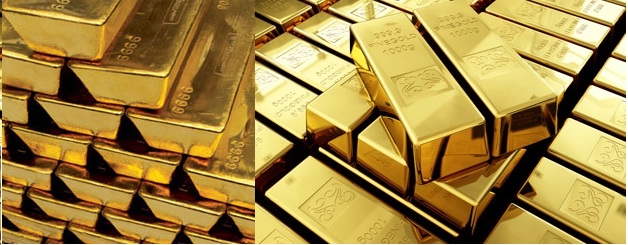
24K gold bars are high-purity bullion products commonly used for investment, wholesale trading and precious-metal holdings.
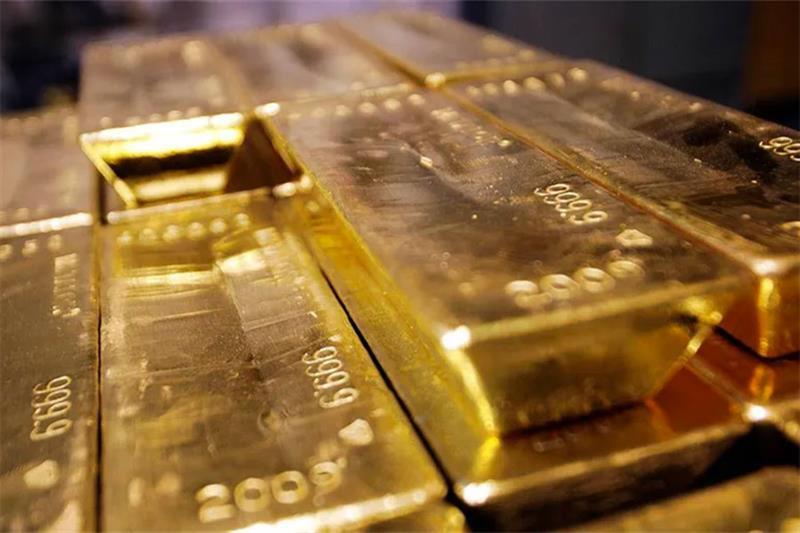
They are generally marked with a fineness specification such as 999 or 999.9, indicating approximately 99.9% or 99.99% gold content.
Common bullion bar weights include:
- 1 gram
- 5 grams
- 10 grams
- 20 grams
- 50 grams
- 100 grams
- 250 grams
- 500 grams
- 1 kilogram
Actual availability depends on the licensed supplier, refinery and product stock.
When buying a 24K gold bar, check its fineness, weight, manufacturer, serial number where applicable and assay documentation.
See our guide to buying gold bars for more information about bullion products and specifications.
2. 22K Gold Bars
22K gold contains approximately 91.67% pure gold, with the remaining portion consisting of other metals.
It is commonly associated with jewellery manufacturing and products made for markets where 916 fineness is popular.
A 22K product should not be priced or described as equivalent to 24K bullion of the same gross weight. Buyers should compare its actual fine-gold content and intended use.
3. Ghana Gold Coins
The Ghana Gold Coin (GGC) is an official gold investment product introduced by the Bank of Ghana.
The coin was developed using refined gold and has a declared purity of 99.99%. Its design includes the Ghana Coat of Arms on one side and the Independence Arch on the other.
According to the Bank of Ghana’s published information, the Ghana Gold Coin is available in three denominations:
- 1 troy ounce.
- Half a troy ounce.
- Quarter troy ounce.
Each coin is supplied with its specified packaging and ownership documentation.
The Bank of Ghana’s published Q&A identifies commercial banks as the principal channel for buying and selling the Ghana Gold Coin. The central bank does not sell directly to individual members of the public under that arrangement.
Buyers should contact participating commercial banks to confirm current availability, eligibility, transaction arrangements and resale conditions.
You can also follow the Bank of Ghana’s official Ghana Gold Coin price notices, which publish coin pricing information.
4. International Gold Bullion Coins
Besides the Ghana Gold Coin, buyers may encounter internationally recognised gold investment coins in the wider bullion market.
Examples include:
South African Krugerrand: A well-known bullion coin containing 22K gold. Its standard one-ounce version contains one troy ounce of pure gold, with additional alloy metals contributing to its total weight.
Canadian Maple Leaf: A popular high-purity investment coin, commonly produced in 999.9 fine gold.
American Gold Eagle: A United States bullion coin containing 22K gold, with its standard one-ounce version containing one troy ounce of pure gold.
Availability in Ghana depends on the seller and import arrangements. Confirm the coin’s mint, weight, fineness, authenticity and legal import documentation before buying.
Gold Bars vs Gold Coins in Ghana: Which Should You Buy?
Gold bars and gold coins both provide exposure to physical gold, but they serve different purchasing preferences.
| Feature | Gold bars | Gold coins |
|---|---|---|
| Main purpose | Bullion investment and wholesale holdings | Investment, collection and recognised coin ownership |
| Gold content | Depends on declared fineness | Depends on coin specifications |
| Common purity | 999 or 999.9 for investment bars | Varies by mint and coin |
| Product sizes | Several gram and kilogram weights | Standardised coin denominations |
| Manufacturing | Cast or minted bars | Minted with official designs |
| Additional premiums | Refining, casting, packaging and dealer costs | Minting, packaging, distribution and possible collector premiums |
| Verification | Fineness, weight, manufacturer and assay documentation | Mint markings, weight, fineness and authenticity documentation |
When to Choose Gold Bars
Gold bars may be more suitable for buyers who prioritise high gold content, standardised bullion products and larger physical holdings.
They are available in several weights, allowing buyers to select a product that matches their intended purchase.
When to Choose Gold Coins
Gold coins may suit buyers who value standardised denominations, recognised mint designs and easier identification of specific products.
The Ghana Gold Coin is particularly relevant to buyers interested in a locally issued gold investment product. International bullion coins may also appeal to collectors and investors familiar with their respective mints.
The best option depends on the product’s purity, premium, resale market and the buyer’s intended use.
Where to Buy Gold Bars and Coins in Ghana
Gold purchases in Ghana must be distinguished according to the type of seller and the applicable GoldBod authorisation.
1. Ghana Gold Board (GoldBod)
The Ghana Gold Board is the central institution responsible for regulating and undertaking gold trading, assaying and export activities under Act 1140.
GoldBod operates through its authorised trading and aggregation arrangements and publishes information about licensed gold-sector participants.
Its official website provides information about licensing, approved service providers, local gold prices and regulatory notices.
Visit Ghana Gold Board to understand the current gold market framework.
2. GoldBod-Licensed Aggregators and Buyers
GoldBod’s licensing system includes categories for aggregators, self-financing aggregators and different classes of gold buyers.
These licensed operators participate in the authorised gold supply chain under the conditions of their respective licences.
Before purchasing or arranging a commercial gold transaction, check the supplier’s exact licence category. A buying licence, aggregator licence and refinery licence authorise different activities.
3. Gold Refineries
Gold refineries process gold-bearing material into refined products with specified purity and quality.
They may offer refining, assaying, manufacturing or other precious-metals services, depending on their authorisation.
When researching refineries, confirm whether the company is currently authorised by GoldBod to perform the service it advertises.
Our guide to the list of gold refineries in Ghana provides further background on Ghana’s refining industry.
4. Commercial Banks Selling the Ghana Gold Coin
For buyers specifically interested in the Ghana Gold Coin, commercial banks are identified by the Bank of Ghana as the main public purchase and resale channel.
Contact a participating bank directly to confirm:
- Whether it currently has coins available.
- Which denominations it offers.
- Its purchase and resale arrangements.
- Required identification and account information.
- Storage and collection options.
- Documentation supplied with the coin.
5. Jewellery and Gold Retail Businesses
Ghana also has jewellery retailers in Accra, Kumasi and other commercial centres.
However, a jewellery shop should not automatically be treated as an authorised bullion dealer or gold exporter.
For jewellery purchases, check the applicable GoldBod authorisation, product purity, invoice and return policy. For investment bars and commercial bullion transactions, verify the supplier’s specific authority to handle the relevant gold product.
Ghana’s GoldBod Regulations: What Gold Buyers Need to Know
The Ghana Gold Board Act, 2025 (Act 1140), changed the country’s gold trading framework.
GoldBod was established with powers covering gold purchasing, selling, assaying, grading, valuation, licensing and exports. The framework requires relevant businesses and individuals operating in regulated gold-sector activities to hold the appropriate authorisation.
1. GoldBod Is the Main Gold Trading Authority
GoldBod is the sole authority with exclusive rights under the Act to buy, sell, weigh, grade, assay, value and export gold and other precious minerals.
It operates through authorised licensed service providers and approved arrangements.
Buyers should therefore establish which GoldBod-authorised party is responsible for the purchase, assay, sale or export in a proposed transaction.
2. Gold-Sector Operators Need the Correct Licence
GoldBod licensing categories include:
- Aggregator licences.
- Self-financing aggregator licences.
- Buyer licences.
- Refinery licences.
- Jewellery and fabrication licences.
- Other applicable service-provider authorisations.
The relevant licence depends on the activity being performed.
A business advertising itself as a gold exporter should not rely on a general company registration certificate or an old licence from the previous regulatory framework.
3. Foreign Buyers and International Offtakers
One of the most important parts of Ghana’s current gold regulations concerns foreign participation.
GoldBod’s licensing announcement directed foreign persons to exit Ghana’s local gold-trading market from April 2025. Under Act 1140, local licence eligibility is restricted to qualifying Ghanaian citizens and wholly Ghanaian-owned companies.
However, foreign businesses and international buyers may apply to GoldBod to off-take gold through the applicable authorised process.
GoldBod’s July 2026 guidance introduced additional procedures for international offtakers working with self-financing aggregators.
These procedures include:
- Submission of the prospective offtaker’s company and ownership details.
- KYC and anti-money laundering documentation.
- Financial due diligence and risk assessment.
- GoldBod approval before commercial transactions proceed.
- Submission and approval of the proposed offtake agreement.
- Compliance with the trading and payment conditions issued for the transaction.
GoldBod’s approval of an offtaker should not be interpreted as a guarantee that the commercial supplier will deliver gold or fulfil its payment obligations. The commercial parties remain responsible for their contractual arrangements.
International buyers should read the official GoldBod offtaker onboarding guidelines before arranging a Ghanaian gold purchase.
4. Assaying Gold in Ghana
Gold purity testing is an important part of Ghana’s regulated gold trade.
GoldBod announced that X-ray fluorescence (XRF) assay would become the definitive method for determining the purity of gold doré purchased by GoldBod and its licensed buyers from October 1, 2026.
The water-density method is now only an indicative assessment under that regime.
This is important for sellers, aggregators and commercial buyers who need accurate gold-purity measurements before agreeing on a transaction.
Read the official GoldBod assay regime announcement.
5. Local Refining of Gold Doré Before Export
GoldBod issued a directive requiring self-financing aggregators to refine gold doré in Ghana before export, effective September 1, 2026.
Under this directive, unrefined doré from the arrangements covered by the directive is not approved for export.
Refining must take place at a refinery approved or designated by GoldBod, and the relevant refining charges and regulatory requirements must be settled before export approval.
Buyers arranging a Ghanaian doré transaction must therefore confirm the required local refining arrangements rather than assuming raw doré can be shipped directly overseas.
See the GoldBod mandatory local refining directive.
Documents to Check When Buying or Exporting Gold in Ghana
The documentation required depends on whether you are purchasing a finished bar, a coin, raw gold material or a commercial gold export.
For bullion and commercial transactions, establish which of the following documents apply:
GoldBod licence: Confirms the relevant supplier or service provider is authorised for the activity being undertaken.
Assay certificate or certificate of analysis: Identifies the tested gold purity and relevant product details.
Commercial invoice: Records the parties, product description, weight, declared purity and agreed transaction terms.
Certificate of origin: Supports the declared origin of the gold where required.
Export approval and documentation: Confirms that the relevant consignment has been approved under the applicable Ghanaian process.
Customs declaration: Records the shipment for export and customs clearance.
KYC and AML documentation: Establishes the identity, ownership and compliance information required for the parties involved.
Offtake agreement: Relevant to approved international offtaker arrangements. It should specify the obligations of the exporter and buyer.
Do not assume that every document is issued by the same organisation. Confirm the issuing authority, purpose and verification method for each document.
Taxes, Export Costs and Other Charges
The cost of buying and exporting gold from Ghana may involve more than the underlying gold value.
Depending on the product and transaction, charges may include:
- Gold purchase and dealer charges.
- GoldBod assay and regulatory charges.
- Local refining costs, where applicable.
- Export-related levies and taxes.
- Customs and documentation expenses.
- Insurance, security and international freight.
- Import duties and taxes in the destination country.
The applicable charges can depend on the parties’ licences, transaction type, gold origin, product classification and current government directives.
Do not rely on old export levy percentages or fixed fees published in older articles. Request a written cost breakdown and verify the current requirements through GoldBod and the Ghana Revenue Authority.
How to Verify Genuine Gold Bars and Coins in Ghana
Gold buyers should verify both the physical product and the supporting documents before completing a purchase.
1. Check the Gold Purity
Confirm the stated fineness.
Common gold markings include:
- 999.9 – approximately 99.99% pure gold.
- 999 – approximately 99.9% pure gold.
- 916 – approximately 91.6% pure gold.
- 750 – 75% pure gold.
Make sure the marking agrees with the assay documentation.
2. Verify the Manufacturer or Mint
For gold bars, identify the refinery or manufacturer.
For coins, establish which mint or institution produced the product. The Ghana Gold Coin, for example, is an official Bank of Ghana product with distinctive national designs.
3. Check the Weight and Dimensions
Use an appropriate calibrated scale to check the weight.
For coins and minted bars, compare the measured weight and dimensions with the manufacturer’s or issuing institution’s published specifications.
4. Request Independent Testing
Professional gold testing may involve XRF analysis and other appropriate methods.
XRF can provide a rapid elemental assessment, but results on a surface should not automatically be treated as a complete examination of the entire bar. Additional testing may be necessary for high-value bullion purchases.
For doré purchases within GoldBod’s regulated local-buying framework, follow the current mandatory XRF assay procedure.
5. Verify the Certificates
Check the certificate reference, issuing laboratory or authority and the details of the actual product.
An authentic-looking document or serial number alone does not establish that a bar or coin is genuine.
For additional verification guidance, read our article on frequently asked questions about buying gold in Ghana.
Common Gold Buying Scams in Ghana
Ghana’s gold market has formal regulatory controls, but buyers should still be cautious when dealing with unofficial sellers and unverified offers.
Watch out for these warning signs:
Fake gold certificates: Documents may carry invented company names, assay details or official-looking stamps. Verify them with the issuing institution.
Unlicensed gold sellers: A seller may advertise gold without holding the required GoldBod authorisation. Check the official registry.
Advance-fee fraud: Buyers may be asked to pay repeated charges for permits, customs, security or documentation without a genuine transaction or verifiable gold.
Under-karated products: Gold may be sold with a higher purity description than its actual tested composition.
Tungsten-filled or plated bars: Some counterfeit products are manufactured to imitate the appearance and weight of gold. Do not rely on magnet tests or visual inspection alone.
Unclear product origin: A seller may claim that gold originated in Ghana without supporting documents establishing its provenance.
Pressure to pay immediately: Be cautious when a seller refuses independent verification or insists that payment must be made before the product and transaction documents can be checked.
Before buying, verify the company, the applicable licence, the gold and the export arrangement.
How to Buy Gold Bars and Coins in Ghana: Step-by-Step
A properly structured gold purchase begins with identifying the product and confirming which regulatory route applies.
Step 1: Choose the Gold Product
Decide whether you want a 24K bar, 22K product, Ghana Gold Coin or international bullion coin.
Check the required purity, weight and intended use.
Step 2: Identify the Authorised Seller or Channel
For locally traded gold, verify the relevant GoldBod-licensed business.
For the Ghana Gold Coin, contact a participating commercial bank and confirm current availability and purchase arrangements.
International offtakers should establish whether they qualify under the applicable GoldBod approval process.
Step 3: Check the Live Market Reference
Use the live GHS and USD gold converters near the top of this guide.
For Ghana’s local gold trading system, also check GoldBod’s official published price information. For the Ghana Gold Coin, refer to the Bank of Ghana’s official coin pricing notices.
Step 4: Verify the Product
Request the relevant assay documentation, weight, purity, refinery or mint details and serial number where applicable.
Arrange additional independent testing when appropriate.
Step 5: Review the Quotation and Agreement
The written quotation should explain the product specifications, pricing basis, dealer charges, regulatory costs and delivery responsibilities.
For international offtake transactions, confirm that the parties have completed the required GoldBod approval and agreement procedures before proceeding.
Step 6: Confirm Export and Delivery Requirements
Establish who is responsible for GoldBod approvals, refining where applicable, customs declarations, shipping, insurance and import clearance in the destination country.
Do not assume that a purchase invoice alone authorises international export.
For broader cross-border guidance, see our article on the cost of shipping gold to the USA from Africa.
FAQs About Buying Gold Bars and Coins in Ghana
Can foreigners buy gold in Ghana?
Foreigners are not permitted to operate as ordinary local gold buyers under Ghana’s GoldBod framework. GoldBod directed foreigners to exit the local gold-trading market in 2025. However, foreign buyers may apply to GoldBod to off-take gold through the applicable approved procedures.
Who regulates gold buying and selling in Ghana?
The Ghana Gold Board (GoldBod) is the main authority responsible for gold trading, licensing, assaying, grading, valuation and export functions under the Ghana Gold Board Act, 2025 (Act 1140).
Where can I buy gold bars in Ghana?
Gold purchases must go through the appropriate GoldBod-authorised channels. Check the official GoldBod licence registry to identify authorised service providers and verify the exact activities they are permitted to undertake.
Where can I buy the Ghana Gold Coin?
The Bank of Ghana’s published guidance identifies commercial banks as the main channel for purchasing and selling the Ghana Gold Coin. Contact a participating bank to confirm current availability, denominations and requirements.
What is the purity of the Ghana Gold Coin?
The Ghana Gold Coin is manufactured from gold with a stated purity of 99.99%, according to the Bank of Ghana’s published product information.
What are the Ghana Gold Coin sizes?
The Bank of Ghana identifies three denominations: one troy ounce, half a troy ounce and a quarter troy ounce.
What is the difference between a gold bar and a gold coin?
A gold bar is a standardised bullion product typically marked with its weight and fineness. A gold coin is a minted product with an official design and standardised specifications. Some coins carry additional premiums because of their mint, packaging or collectability.
What is GoldBod’s role in Ghana’s gold market?
GoldBod oversees the regulated gold trading system, including buying and selling, licensing, assaying, grading, valuation, refining arrangements and exports. It also operates through authorised aggregators, buyers and other licensed service providers.
Is XRF testing required when buying gold in Ghana?
GoldBod announced that XRF assay became the definitive method for purity determination in local gold doré purchases by GoldBod and its licensed buyers from October 1, 2026. The water-density method is now used only as an indicative assessment under that regime.
Can gold doré be exported directly from Ghana?
For self-financing aggregator arrangements covered by GoldBod’s directive, gold doré must be refined in Ghana before export. Unrefined doré covered by that directive is not approved for export from September 1, 2026.
What documents should accompany a Ghanaian gold export?
Depending on the transaction, documents may include GoldBod approvals, an assay certificate, certificate of origin, commercial invoice, packing list, customs declaration, KYC/AML information and the relevant offtake agreement.
How can I check the live gold price in Ghana?
Use the GHS and USD price converters near the top of this page. They show indicative international gold-market values. GoldBod’s official local pricing and the Bank of Ghana’s Ghana Gold Coin pricing notices should be checked separately.
Buying Gold Bars and Coins in Ghana: Final Considerations
Ghana offers different gold investment products, including refined bullion bars, international coins and the Ghana Gold Coin. However, buying gold in the country requires more than comparing product prices.
The GoldBod framework has changed how gold is purchased, assayed, traded and exported. Local gold buyers must use the appropriate licensed channels, while international offtakers must follow the applicable approval and due-diligence requirements.
Before completing a transaction, confirm the seller’s licence, product purity, origin documentation, assay results, price calculation and export arrangements.
For further information, explore our guides to gold refineries in Ghana, buying gold bars and gold in Africa for sale.