2026 Ultimate Guide to Dubai Gold Souk in Deira
Dubai Gold Souk: When investors and travellers think about buying physical gold, one name dominates the conversation: the Dubai Gold Souk.
Glittering shop windows, jaw-dropping displays of 22- and 24-karat jewellery, and a centuries-old reputation have made the UAE’s gold market a pilgrimage destination for buyers from around the world.
But for investors in sub-Saharan Africa — particularly in Uganda, the Democratic Republic of Congo (DRC), Kenya, and Tanzania — a far more compelling and cost-effective option exists right on their doorstep.
This guide covers everything you need to know about the Dubai Gold Souk: its history, pricing mechanics, what to buy, how to negotiate, and what traps to avoid.
It then presents a rigorous, side-by-side comparison with buying gold directly from Africa’s source markets, and explains why partnering with Buy Gold Bars Africa Ltd is the smartest gold investment decision available to East and Central African buyers today.

The Dubai Gold Souk — Everything You Need to Know
History and Heritage of the Dubai Gold Souk
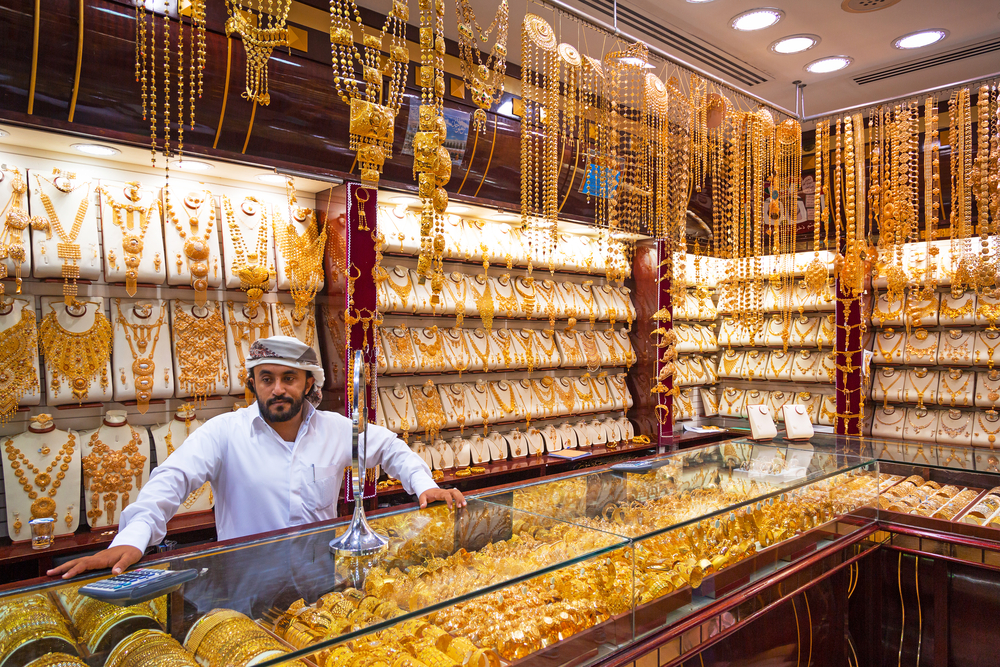
The Dubai Gold Souk, located in the Deira district of Old Dubai, is one of the oldest and largest gold markets in the world. Its roots stretch back to the 1940s, when Dubai was a modest trading port along the Creek.
As merchants from India, Iran, and the broader Arab world converged on the city, gold trade became the backbone of Dubai’s commercial identity long before oil was discovered.
Today, the souk spans several streets, houses over 380 retailers, and reportedly holds more than 10 tonnes of gold on display at any given time — earning it the informal title of ‘City of Gold.’ The UAE’s status as a zero-VAT jurisdiction on gold and the government’s deliberate positioning of Dubai as a global trade hub have cemented the souk’s reputation as a premier destination for gold buyers.
The souk operates under the oversight of the Dubai Gold and Jewellery Group (DGJG), and prices are set daily in alignment with the London Bullion Market Association (LBMA) spot price, with retailers adding a ‘making charge’ or premium on top.
What Is Sold at the Dubai Gold Souk?
Gold Jewellery
The vast majority of goods on sale at the souk are gold jewellery items — necklaces, bangles, rings, earrings, and intricate ornamental pieces.
These range from 18-karat to 22-karat, with 22-karat being the most prevalent, especially for Indian and Middle Eastern designs. The craftsmanship is extraordinary and prices are generally lower than comparable items in Europe, North America, or East Asia.
Gold Coins
Official UAE gold coins (including Emirates Gold coins), South African Krugerrands, American Eagles, Canadian Maple Leafs, and various commemorative coins are widely available. These carry numismatic premiums but offer a recognisable and liquid form of gold for international buyers.
Gold Bars and Bullion
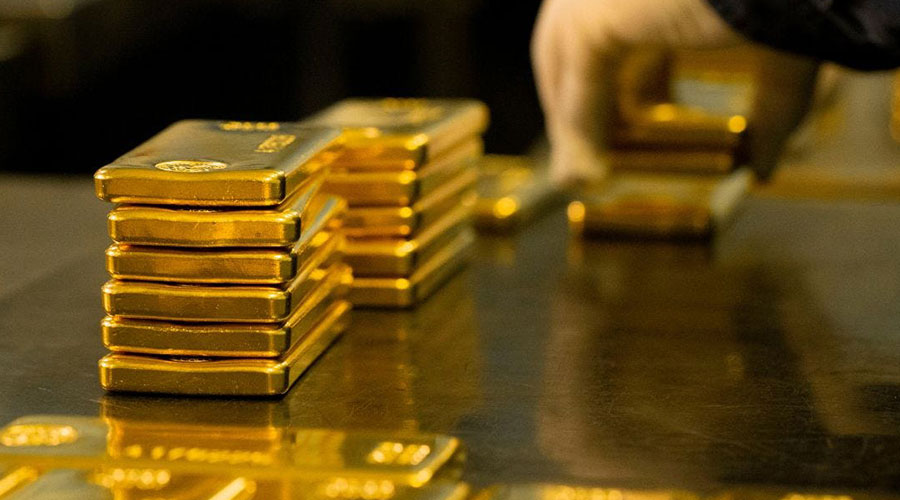
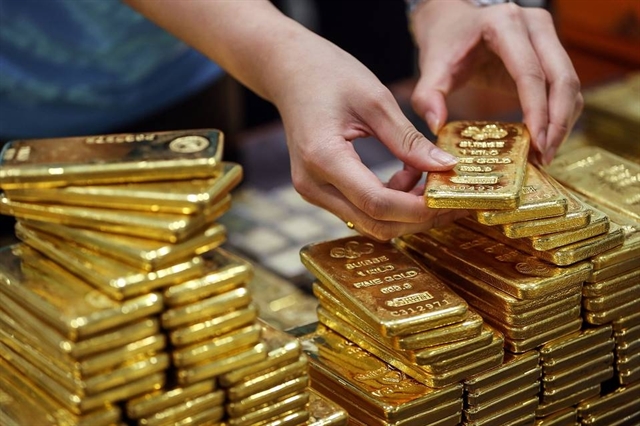
Certified gold bars — ranging from 1 gram to 1 kilogram — are available from accredited dealers. The most reputable outlets offer LBMA-certified bars from refineries such as PAMP Suisse, Valcambi, and Emirates Gold. These bars are stamped with purity, weight, and serial numbers, making them internationally verifiable and tradeable.
How Pricing Works at the Dubai Gold Souk
Gold pricing in Dubai follows a transparent two-component model:
- Spot Price: The international market price of gold, updated in real-time and displayed prominently at the souk entrance. This price is denominated in UAE Dirhams (AED) per gram.
- Making Charge / Premium: An additional fee applied by each retailer to cover craftsmanship, refining, logistics, and profit. For jewellery, this can range from AED 5–25 per gram. For bullion bars, premiums are typically 1–3% over spot price.
Key pricing insight: Despite the souk’s reputation for low prices, buyers from Africa must factor in the cost of a return flight to Dubai (typically $400–$1,200 from East Africa), hotel accommodation, and the logistical complexity of transporting gold across international borders — including customs declarations, import duties, and potential confiscation risks.
How to Negotiate at the Dubai Gold Souk
Bargaining is not only acceptable at the Gold Souk — it is expected. Here is what experienced buyers recommend:
- Always start by knowing the spot price of gold for that day (displayed at the entrance or available on financial apps).
- Negotiate the ‘making charge’ rather than the gold price itself, as the base metal price is non-negotiable.
- Compare prices across at least three to five shops before committing.
- Bring cash — many dealers offer better rates for cash transactions in USD or AED.
- Ask for a certificate of authenticity and an itemised receipt for every purchase.
- Avoid purchasing from street vendors outside the souk perimeter.
Gold Purity and Certification in Dubai
The Dubai Central Laboratory (DCL) provides hallmarking services for gold sold in the UAE, and reputable souk dealers are required to comply with Emirates Authority for Standardization and Metrology (ESMA) standards. Bullion bars from major refineries come with assay certificates. However, buyers should exercise caution:
- Counterfeit gold has been reported in tourist-facing areas of the souk.
- Jewellery items with high making charges can obscure the true gold value.
- Not all shops are equally reputable — stick to long-established retailers or those recommended by the DGJG.
Taxes and Customs for African Buyers
One of the most overlooked costs for African travellers buying gold in Dubai is the import/export framework. When returning to East or Central Africa, gold buyers must navigate:
- UAE Export Regulations: Personal gold exports require a customs declaration for amounts exceeding threshold values. Commercial quantities require export permits.
- Country of Import Duties: Uganda levies duties on imported gold; Kenya’s Kenya Revenue Authority (KRA) assesses import taxes on declared gold; Tanzania’s Tanzania Revenue Authority (TRA) has similar frameworks. The DRC has its own mining and import legislation that can complicate re-entry.
- Airline Restrictions: Many airlines restrict the carriage of large quantities of gold in carry-on luggage. Checked baggage with gold carries significant risk of theft or loss.
The practical upshot: a buyer who pays AED 220,000 (approximately USD 60,000) for 1 kilogram of gold at the Dubai Gold Souk may find that, after factoring in flights, accommodation, insurance, import duties, and currency exchange losses, the effective cost is 15–25% higher than the nominal gold price.
What the Dubai Gold Souk Does Well
- Extraordinary variety of jewellery styles catering to Asian, Arab, and African tastes
- Competitive base gold prices tied to real-time LBMA spot rates
- Generally transparent daily pricing displayed publicly
- World-class craftsmanship for ornamental and wearable gold
- Established reputation and centuries of trading heritage
- Strong government oversight and consumer protection framework
Limitations of the Dubai Gold Souk for African Investors
- Significant travel and accommodation costs for buyers from East/Central Africa
- Currency exchange risk between USD/AED and local currencies (UGX, KES, TZS, CDF)
- Import duty exposure on return to home country
- Risk of over-paying due to tourist pricing dynamics
- Language and cultural barriers in price negotiation
- Counterfeit risk in less regulated areas of the souk
- Gold must cross multiple international borders, creating legal and logistical risk
Buying Gold Direct from Africa — The Smarter Investment
Africa’s Gold Wealth: A Continent Sitting on Untapped Value
Africa holds approximately 40% of the world’s total gold reserves. The continent produced over 880 tonnes of gold in 2023, accounting for roughly 24% of global gold output. Yet remarkably, most African investors still look to Dubai, Switzerland, or London when they think of buying gold — entirely bypassing the enormous opportunity that exists within their own borders.
East and Central Africa, in particular, have emerged as some of the world’s most active and richest gold-producing regions. Uganda’s Karamoja region holds some of Sub-Saharan Africa’s most significant artisanal and small-scale gold deposits.
The DRC is home to world-class gold mines in Ituri, South Kivu, and Maniema. Kenya’s western counties produce substantial quantities.
Tanzania is one of Africa’s top five gold producers, with major mines operated by international companies alongside a thriving artisanal sector.
Uganda: A Gold Investment Hub in the Making
Uganda has undergone a transformation in its gold sector. With formalisation of artisanal mining, government-backed gold refineries, and an increasingly regulated export framework, Uganda has become one of East Africa’s premier destinations for gold investment.
The Uganda Chamber of Mines and Petroleum provides oversight, while certified gold dealers offer assayed and documented bullion bars directly to investors.
Buying gold in Uganda means buying at near-mine prices — without the intercontinental logistics, currency conversion losses, or import duty exposure that characterise the Dubai purchase pathway.
Uganda’s gold is increasingly being refined to international standards, with 24-karat LBMA-comparable bars available for both domestic and international buyers.
Democratic Republic of Congo (DRC): High Volume, Raw Potential
The DRC’s gold sector is one of the largest in Africa by raw volume. With proper legal channels and a certified buyer like Buy Gold Bars Africa Ltd, investors can access some of the continent’s highest-grade gold at prices that simply cannot be matched by any international souk or exchange.
The DRC government has invested significantly in regulating its artisanal mining sector to address historical issues with conflict minerals, and compliant supply chains are now available through certified intermediaries.
Kenya: Financial Sophistication Meets Gold Investment
Nairobi’s status as East Africa’s financial capital, combined with Kenya’s growing domestic gold production, makes it an ideal environment for gold investment.
Kenya’s Capital Markets Authority and the Central Bank of Kenya provide regulatory frameworks that protect investors.
Gold buyers in Nairobi benefit from access to internationally networked dealers, reliable assay services, and a sophisticated financial infrastructure that facilitates both domestic holding and export of certified bullion.
Tanzania: Africa’s Emerging Gold Investment Powerhouse
Tanzania is consistently ranked among Africa’s top gold producers, with major mines including Geita, Bulyanhulu, and North Mara producing hundreds of thousands of ounces annually.
Tanzania’s Mining Commission provides regulatory oversight, and the country has invested in formal gold trading centres (GTCs) to provide a structured marketplace for buying and selling certified gold.
For investors in Dar es Salaam, Mwanza, or Arusha, access to certified 24-karat gold bars at competitive prices is increasingly straightforward through regulated dealers.
Dubai Gold Souk vs. Buy Gold Bars Africa Ltd – The Definitive Comparison
Side-by-Side Comparison Table
| Factor | Dubai Gold Souk | Buy Gold Bars Africa Ltd (Uganda, Congo, Kenya, Tanzania) |
| Price per gram | Marked up to cover flights, tourism, logistics | Direct mine-to-buyer pricing — lowest available |
| Gold Purity | 22–24 karat (verified) | 24 karat certified bullion bars |
| Import/Export Duties | High — gold must cross international borders | None for local buyers; simplified export docs |
| Travel Required | International flight to UAE required | Local purchase in your own country |
| Authenticity | Reputable but counterfeits do exist | Fully certified, assay-tested, documented |
| Currency | UAE Dirham (currency risk for Africans) | USD, UGX, KES, CDF, TZS accepted |
| Customer Support | Language barriers, tourist pricing | Local languages, personal advisory service |
| Investment Security | Depends on dealer reputation | Legal contracts, traceable chain of custody |
| Volume Discounts | Rare for individual buyers | Available for bulk purchases |
| Delivery Options | Self-carry or costly shipping | Secure local delivery or vault storage |
The True Cost of Dubai Gold for African Buyers
Let us model a realistic scenario. An investor in Kampala, Uganda wishes to purchase 500 grams of 24-karat gold bullion. If they travel to Dubai:
- Return flight Kampala–Dubai: approximately USD 700
- 3 nights hotel in Dubai: approximately USD 350
- Gold spot price for 500g at USD 95 per gram: USD 47,500
- Dealer premium at 1.5%: USD 712
- Import duty on re-entry to Uganda (estimated): USD 1,500–2,500
- Currency conversion losses (USD → AED → USD → UGX): approximately 2–3%: USD 950–1,425
- Travel insurance and incidentals: USD 200
Total effective cost: USD 51,912 – USD 53,387 for 500g of gold.
Now compare this with purchasing the same 500g of certified 24-karat gold bullion from Buy Gold Bars Africa Ltd in Kampala, Kenya, or Dar es Salaam:
- Gold at mine-adjacent pricing (500g): approximately USD 48,200
- Certification and documentation: USD 150
- Secure local delivery: USD 80
- No import duties, no international travel, no currency conversion losses
Total effective cost: USD 48,430 — a saving of USD 3,482 to USD 4,957 on a single 500g purchase. At scale, these savings compound dramatically.
Why Buying Gold in Africa is Strategically Superior
- Source proximity: Buying gold close to where it is mined eliminates layers of intermediary costs, logistics markups, and international premium pricing.
- Currency alignment: African investors buying gold in their home country eliminate the double currency conversion risk (local currency → USD → AED → USD → local currency) that erodes returns on Dubai purchases.
- Regulatory simplicity: Domestic gold purchases involve straightforward documentation without the complexity of international import/export declarations.
- Relationship-based service: Buy Gold Bars Africa Ltd provides personalised advisory, allowing clients to make informed decisions on timing, volume, and storage — unlike anonymous souk transactions.
- Reinvestment in the African economy: Every dollar spent buying certified African gold supports local mining communities, regulatory capacity, and economic sovereignty.
- Inflation hedge in local terms: Gold purchased and held locally provides a direct hedge against local currency depreciation — a critical consideration given inflationary pressures in Uganda, Kenya, Tanzania, and the DRC.
Why Choose Buy Gold Bars Africa Ltd?
Who We Are
Buy Gold Bars Africa Ltd is a fully certified, professionally managed gold trading and investment company operating across Uganda, the Democratic Republic of Congo, Kenya, and Tanzania.
Founded by professionals with deep expertise in African mineral markets, we exist to democratise access to certified, investment-grade gold for African and international buyers — without the cost, complexity, and risk of purchasing abroad.
Our operations are compliant with all relevant national mining and export regulations in each country where we operate. We work with licensed artisanal miners, certified refineries, and professional assayers to ensure that every bar we sell meets or exceeds international bullion standards.
Our Products
- Certified 24-karat gold bars: Available in denominations from 1 gram to 1 kilogram and above
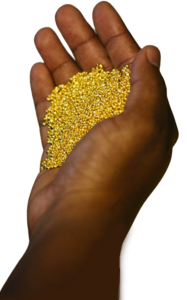
- Investment-grade gold granules and nuggets: For buyers seeking raw but certified material
- Custom-cast bars: Personalised bars with client-specified weights and engravings
- Vault storage services: Fully insured, professionally managed secure storage in Kampala, Nairobi, Dar es Salaam, and Kinshasa
- Gold export documentation: Full compliance packages for international buyers exporting gold from Africa
- Gold IRA and investment advisory: Strategic advice for long-term gold portfolio management
Our Certification and Compliance Standards
Every gold bar sold by Buy Gold Bars Africa Ltd comes with:
- XRF (X-ray Fluorescence) assay certificate confirming purity
- Weight certification from a calibrated scale system
- Chain of custody documentation tracing gold back to its licensed mining source
- OECD Due Diligence Guidance compliance for responsible mineral sourcing
- National regulatory compliance certificates as required by Ugandan, Congolese, Kenyan, and Tanzanian authorities
Why Our Clients Choose Us Over Dubai
- No international travel required — we come to you, or you visit our secure offices
- Prices benchmarked against London spot — no tourist premium, no opaque dealer markups
- Same-day transactions available for verified clients
- Multi-currency acceptance: USD, UGX, KES, CDF, TZS
- Dedicated relationship managers in each country
- Full legal and regulatory support for international buyers
- Repeat buyer discounts and volume pricing for institutional clients
Our Locations
- Uganda: Kampala (Headquarters) — serving buyers across Kampala, Entebbe, Jinja, and Karamoja
- DRC (Congo): Kinshasa and Butembo — serving buyers in Kinshasa, Goma, Lubumbashi, and Bukavu
- Kenya: Nairobi — serving buyers across Nairobi, Mombasa, Kisumu, and Nakuru
- Tanzania: Dar es Salaam and Mwanza — serving buyers across Tanzania’s major cities and mining corridors
Gold as an Investment — Why Now Is the Right Time
Gold’s Role in a Modern Investment Portfolio
Gold has been a store of value for over 5,000 years. In the modern investment era, gold plays several critical roles in a diversified portfolio:
- Inflation hedge: Gold historically retains purchasing power as fiat currencies depreciate.
- Currency risk mitigation: For African investors holding local currencies subject to devaluation, gold provides a dollar-denominated asset that protects wealth.
- Portfolio diversification: Gold’s low correlation with equities and bonds reduces overall portfolio volatility.
- Safe haven asset: During geopolitical or economic crises, gold consistently outperforms most other asset classes.
- Tangible asset: Unlike stocks, bonds, or cryptocurrency, physical gold is a tangible asset that cannot be hacked, defaulted on, or inflated away.
Gold Prices: Recent Trends and Forecasts
Gold reached record highs above USD 2,400 per troy ounce in 2024 and has maintained elevated levels driven by central bank purchasing, geopolitical uncertainty, and sustained investor demand.
African central banks, including Uganda’s Bank of Uganda and Kenya’s Central Bank, have increased gold reserve allocations — a signal to domestic investors that gold’s strategic importance is only growing.
Analysts at major investment banks project gold prices to remain elevated through 2026 and beyond, with some forecasts targeting USD 2,800–3,000 per ounce as global reserve diversification continues away from USD-denominated assets. For African investors, this trajectory represents a compelling wealth-building opportunity.
Gold as a Hedge Against African Currency Volatility
The Ugandan Shilling, Congolese Franc, Kenyan Shilling, and Tanzanian Shilling have all experienced significant depreciation against the USD over the past decade.
Investors who held physical gold over the same period preserved — and in many cases grew — their real wealth. Buying certified gold bars from Buy Gold Bars Africa Ltd is not merely a commodity transaction: it is a strategic financial decision to protect and grow your wealth in a region where currency stability cannot be taken for granted.
FAQs – Dubai Gold Souk
Is it legal to buy gold bars in Uganda, Kenya, Tanzania, and DRC?
Yes. Physical gold purchases are legal in all four countries when conducted through licensed dealers complying with national mining and anti-money laundering regulations.
Buy Gold Bars Africa Ltd operates under the full authority of relevant mining and financial regulators in each jurisdiction.
How do I know the gold I’m buying is genuine?
Every bar sold by Buy Gold Bars Africa Ltd is independently assayed using XRF technology, weighed on calibrated scales, and accompanied by a full certificate of authenticity and chain of custody documentation. Clients are welcome to observe the assay process in person.
Can I export gold purchased in Africa internationally?
Yes. Export of investment-grade gold is permitted from all four countries with the correct export documentation. Buy Gold Bars Africa Ltd provides full export compliance packages, including customs declarations, export permits, and assay certificates required by destination countries.
What is the minimum purchase from Buy Gold Bars Africa Ltd?
We accommodate purchases from 1 gram upward, making our services accessible to first-time buyers and institutional investors alike. Volume discounts apply for purchases exceeding 100 grams.
How does your pricing compare to the Dubai Gold Souk?
Our pricing is benchmarked against the London Bullion Market Association (LBMA) spot price with a transparent, published premium structure. When the full cost of a Dubai gold purchase is considered — including flights, accommodation, currency conversion, and import duties — our all-in prices are consistently 10–25% lower for African-based buyers.
Do you offer vault storage?
Yes. We offer fully insured, professionally managed vault storage services in Kampala, Nairobi, Dar es Salaam, and Kinshasa. Gold can be purchased and stored with us, eliminating the logistical complexity of self-custody for large holdings.
Conclusion: Dubai Dazzles, But Africa Delivers
The Dubai Gold Souk is undeniably one of the world’s most spectacular gold marketplaces. Its heritage, variety, and pricing transparency have earned it a global reputation that is largely deserved.
For tourists already visiting Dubai, or for buyers seeking specific high-end jewellery designs, the souk offers genuine value.
But for investors in Uganda, the Democratic Republic of Congo, Kenya, and Tanzania — buyers who are motivated by return on investment, capital preservation, and financial security — the Dubai Gold Souk is not the optimal destination.
The true gold opportunity for East and Central African investors is not 5,000 kilometres away in a gleaming shopping street. It is right here, under the soil of a continent that produces nearly a quarter of the world’s gold.
Buy Gold Bars Africa Ltd exists to connect you with that opportunity directly, transparently, and affordably. Our certified, assayed, documented gold bars offer everything the Dubai Gold Souk offers — purity, authenticity, investment-grade quality — without the flights, the currency risk, the import duties, or the distance. We are your local, trusted, professional gateway to Africa’s most enduring asset class.
| Ready to Invest? Contact Buy Gold Bars Africa Ltd Today
Uganda | Congo (DRC) | Kenya | Tanzania Certified 24-Karat Gold Bars | Mine-to-Buyer Pricing | Fully Documented 📧 info@buygoldbarsafrica.com 🌐 www.buygoldbarsafrica.com 📞 Available in Kampala · Kinshasa · Nairobi · Dar es Salaam Your wealth. Africa’s gold. Delivered with integrity. |