Gold Bars in Nairobi: Buy Certified Gold Bars in Kenya
Gold bars in Nairobi can be sourced through reputable gold suppliers that provide independently verifiable purity, accurate weight, proper documentation and secure delivery. Whether you are an individual investor, a gold trader, a jeweller or an international buyer, choosing a trustworthy supplier is essential when purchasing physical gold in Kenya.
If you are looking to buy gold bars in Nairobi, this guide explains the different types of gold bars available, how to compare gold purity and weights, how to verify a gold dealer, and what documents to request before completing a purchase. It also explains how gold bar prices are calculated and what buyers should consider when arranging delivery or exporting gold from Kenya.
Buy Gold Bars Africa Limited supplies certified gold products to individual and commercial buyers, with an emphasis on independent assay verification, transparent transactions and appropriate documentation. Nairobi-based customers can contact our team to discuss available gold bars, purchasing requirements and delivery arrangements.
Buying Gold Bars in Nairobi: What You Need to Know
Types of Gold Bars Available to Buyers in Nairobi
Gold bars are available in different weights, purity levels and manufacturing formats. Understanding these differences helps you select a product that suits your investment or commercial requirements.
Cast gold bars
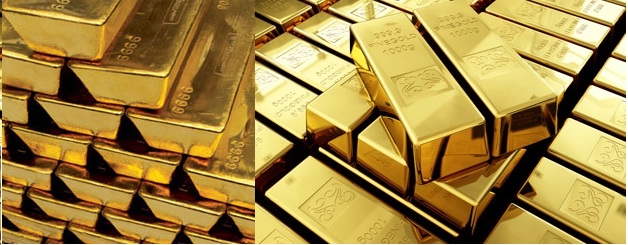
Cast gold bars are manufactured by pouring molten gold into a mould and allowing it to cool. They usually have a simple appearance, with visible weight and purity markings where applicable.
These bars are commonly available in larger weights and are suitable for buyers purchasing bullion for investment, refining or commercial purposes. Before purchasing, check the manufacturer’s details, stated purity, weight and accompanying assay documentation.
Minted gold bars
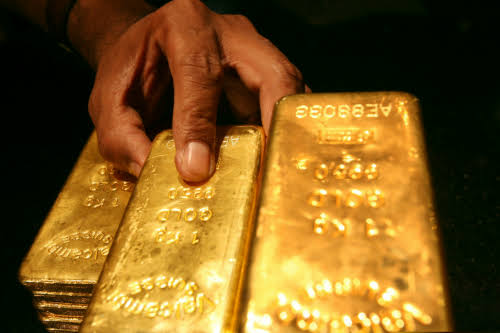
Minted gold bars are produced from refined gold that is cut and stamped into precise shapes. They generally have a smooth finish and may display the refinery’s name, weight, purity and individual serial number.
Some minted bars are supplied in sealed assay packaging. This packaging can help with identification and verification, although buyers should still confirm the authenticity of the product and its documentation.
Investment-grade 24K gold bars
Investment-grade gold bars are generally refined to high purity levels, commonly marked 999 or 999.9 fineness.
A 999.9 gold bar contains 99.99% gold by weight. These bars are widely used for bullion investment and commercial gold transactions because their purity and weight can be independently assessed.
Different gold bar weights
Gold bars are available in different sizes to accommodate different purchasing budgets and commercial requirements. Common weights include:
- 1 gram
- 5 grams
- 10 grams
- 20 grams
- 50 grams
- 100 grams
- 250 grams
- 500 grams
- 1 kilogram
The appropriate size depends on your purchasing objectives, available capital, storage arrangements and expected resale requirements. Smaller bars offer flexibility when purchasing or selling portions of a gold holding, while larger bars may be more practical for wholesale buyers.

Live Gold Bar Prices in Nairobi
Gold bar prices in Nairobi are influenced by the international gold market, the prevailing exchange rate between the US dollar and Kenyan shilling, the purity of the gold and the supplier’s premium.
The international gold spot price provides a useful reference for calculating the underlying value of gold. However, the final purchase price of a physical gold bar may also include refining, manufacturing, assay, handling, insurance and delivery costs.
Because gold prices and exchange rates change regularly, buyers should check a live rate before requesting a final purchase quotation.
For more information about purchasing gold in the country, visit our guide to buying gold in Kenya.
Where to Buy Gold Bars in Nairobi
Buyers looking for gold bars in Nairobi should prioritise suppliers that can demonstrate their legal authority to trade, provide verifiable gold quality documentation and explain how the gold was sourced.
You may encounter gold sellers through online enquiries, referrals, commercial premises and precious metals trading networks. However, a seller’s location or professional-looking website does not automatically establish that the business is authorised to trade in gold.
Before choosing a supplier, consider the following:
- Dealer authorisation: Ask for the relevant mineral dealer’s licence or permit and verify its status with the appropriate Kenyan mining authority.
- Gold authenticity: Request an assay certificate identifying the gold’s purity and weight.
- Source documentation: Ask how the gold was acquired and whether its origin can be established.
- Purchase terms: Obtain a written quotation showing the product, weight, purity, applicable charges and payment conditions.
- Delivery arrangements: Confirm how the gold will be handed over or transported and what insurance applies.
Buy Gold Bars Africa Limited provides gold sourcing and supply services for buyers interested in certified African gold. Nairobi customers can contact our team to discuss available products, documentation and delivery arrangements before placing an order.
You can also visit our main website to learn more about our gold products and sourcing services.
How to Verify a Gold Dealer in Nairobi
Verifying the seller is one of the most important steps when buying gold bars. Gold is a high-value commodity, and a transaction should never depend entirely on verbal promises or photographs supplied by the seller.
In Kenya, mineral dealing is regulated by the State Department for Mining. Buyers should establish whether the seller holds the appropriate authorisation for the specific mineral dealing activity being conducted.
The Kenyan Ministry of Mining explains that mineral dealers require the relevant mineral dealing licence or permit. It also distinguishes between a mineral dealer’s licence and a permit, including restrictions on mineral exports.
You can consult the official State Department for Mining information and the Kenya Mining Cadastre Portal when checking licensing information.
Before proceeding with a purchase:
- Request the seller’s registered business name and relevant licence details.
- Check that the licence relates to the mineral and activity involved.
- Confirm that the authorisation is current and has not expired.
- Verify the seller’s business identity and contact information.
- Ask for documentation showing the legal source of the gold.
- Avoid making payments to unrelated personal accounts or relying on unverified intermediaries.
A mineral dealer’s authorisation should not be confused with an assay certificate. The licence relates to the dealer’s legal authority, while an assay certificate provides information about the tested gold.
How to Verify the Purity and Authenticity of Gold Bars
A gold bar’s appearance alone cannot establish whether it is genuine. Counterfeit products can imitate the colour, shape, markings and packaging of genuine bullion.
Before paying for a gold bar, request independent verification of its weight and purity.
Check the purity marking
Gold bars commonly display their fineness, which indicates the proportion of pure gold in the product.
Common markings include:
- 999.9: 99.99% pure gold.
- 999: 99.9% pure gold.
- 916: 91.6% pure gold, commonly associated with 22K gold.
- 750: 75% pure gold, commonly associated with 18K gold.
- 585: 58.5% pure gold, commonly associated with 14K gold.
For investment-grade bullion, buyers generally look for high-purity products such as 999 or 999.9 fine gold.
Request an independent assay certificate
An assay certificate records the results of a gold purity assessment. Depending on the laboratory and the product, it may include:
- The gold’s tested purity or fineness.
- The weight of the sample or bar.
- The assay date.
- The laboratory or assayer’s details.
- A reference number or product identification details.
Check that the certificate relates to the actual gold being offered. Where the bar has a serial number, compare it with the number recorded in the accompanying documentation.
Arrange independent gold testing
For significant purchases, consider having the gold examined by an independent professional or recognised assay laboratory.
X-ray fluorescence (XRF) testing can provide a rapid, non-destructive indication of the elemental composition near the surface. However, it does not always establish the internal composition of a bar.
For higher-value transactions, additional testing or laboratory assay may be appropriate. The testing method should be suitable for the gold product and the level of assurance required.
Do not rely exclusively on a seller’s photographs, packaging or certificate without checking that the documents and physical gold correspond.
Documents to Request When Buying Gold Bars in Nairobi
Proper documentation helps establish what you purchased, who sold it and how the gold was sourced. It can also support future resale, accounting and any subsequent export process.
Depending on the product and transaction, request the following documents:
1. Assay certificate: This document provides the tested purity and other relevant details of the gold. Check that the certificate identifies the product or batch and that its issuing laboratory can be independently contacted.
2. Commercial invoice: The invoice should identify the seller and buyer, describe the gold product, state its weight and purity, and show the agreed transaction value and applicable charges.
3. Certificate of origin or provenance documentation: Where available and applicable, this documentation helps establish the declared country or source of the gold. It should be supported by credible records rather than an unsupported statement from the seller.
4. Dealer licensing details: Ask for the relevant mineral dealer’s licence or permit information and verify it with the appropriate authority.
5. Payment receipt: Obtain an official receipt or other traceable payment confirmation identifying the business receiving the funds and the transaction concerned.
6. Export documentation, where applicable: If the gold is intended for export, additional approvals and customs documentation may be required. These depend on the applicable laws, the gold’s origin, the transaction and the destination country.
Do not assume that a domestic purchase invoice or assay certificate alone authorises international export.
Buying 1kg Gold Bars in Nairobi
A 1-kilogram gold bar is a common bullion format for commercial buyers, institutional investors and individuals purchasing larger quantities of physical gold.
Before purchasing a 1kg gold bar, pay particular attention to the following:
- Purity: Confirm whether the bar is 999, 999.9 or another stated fineness.
- Gross and fine gold weight: Establish the bar’s actual weight and the amount of fine gold it contains.
- Assay documentation: Request a certificate that corresponds to the specific bar or batch.
- Serial number: Where applicable, check that the serial number on the bar matches the documentation.
- Supplier verification: Confirm the seller’s legal authority and business identity.
- Payment arrangements: Agree on the payment method, timing and conditions for releasing the gold.
- Delivery and insurance: Establish who is responsible for transportation, insurance and secure handover.
For wholesale or larger-volume enquiries, the purchase process may involve additional verification, contracts, independent inspection and agreed delivery arrangements.
Buyers considering larger transactions can learn more about our large-volume gold supply services.
How to Buy Gold Bars from Buy Gold Bars Africa Limited
Buy Gold Bars Africa Limited supplies gold products to individual buyers, traders and commercial customers. Buyers in Nairobi can contact our team to discuss their requirements and the arrangements available for their order.
The purchasing process involves the following steps:
Step 1: Contact our team
Tell us the type of gold bar you need, your preferred purity, the quantity and your intended use. This allows our team to understand your requirements before preparing a quotation.
Step 2: Receive a transaction-specific quotation
We provide a quotation based on the applicable gold market reference, product specifications, available supply and agreed transaction terms. Because gold prices change, the quotation should be confirmed before payment.
Step 3: Review product and verification documents
Before proceeding, review the available assay information, product details, business documentation and applicable transaction terms. Ask any questions you may have about the gold’s origin and verification.
Step 4: Confirm payment arrangements
Once the product, price and transaction conditions have been agreed, confirm the payment instructions directly with our team. Use traceable payment methods and retain the official transaction documentation.
Step 5: Arrange delivery or collection
The final arrangements depend on the order, destination and applicable legal requirements. Confirm the delivery method, insurance coverage, expected timeline and handover procedure before the transaction is finalised.
To discuss available products, visit Buy Gold Bars Africa Limited or contact our team using the details provided on the website.
Can You Buy Gold Bars in Nairobi and Export Them Internationally?
Yes, gold can be exported from Kenya when the transaction meets the applicable licensing, mineral export, customs and other legal requirements.
However, purchasing gold and exporting gold are separate processes. A buyer should not assume that a domestic purchase automatically provides permission to transport the metal across an international border.
The State Department for Mining handles mineral dealing and mineral export permit processes. Its official licensing information explains the government’s role in processing mineral dealing rights and export permit applications.
The Kenyan government’s InfoTradeKenya export procedure also outlines the steps involved in exporting precious metals through Jomo Kenyatta International Airport for the specified category of commercial consignments.
Depending on the transaction, relevant documentation and approvals may include:
- Appropriate mineral dealer authorisation.
- Mineral export permit.
- Assay certificate.
- Commercial invoice.
- Origin and provenance documentation.
- Customs declarations and release documentation.
- Evidence of applicable taxes, royalties or other charges.
The exact requirements depend on the transaction and should be confirmed with the relevant Kenyan authorities before shipment.
International buyers must also check the import rules of their destination country. Customs declarations, import taxes, reporting obligations and documentation requirements can differ between countries.
How to Avoid Gold Buying Scams in Nairobi
Gold transactions require careful verification because fraudulent sellers often use attractive offers, fake certificates and misleading business information to convince buyers to pay before receiving genuine gold.
Use the following precautions:
Avoid unusually low offers. Compare the seller’s quotation with the live international gold reference price. A price that is significantly below the underlying gold value deserves further investigation.
Do not pay unexplained advance fees. Be cautious of demands for unexpected clearance deposits, registration charges or release fees that are not supported by official documentation and agreed transaction terms.
Verify certificates independently. Contact the named laboratory through independently obtained contact details rather than relying only on telephone numbers supplied on a certificate.
Do not rely on photographs alone. Request suitable physical inspection and independent testing arrangements for significant purchases.
Check the seller’s identity. Confirm the registered business name, relevant authorisation, contact details and payment account.
Use written agreements and traceable payments. Make sure the product specifications, price, payment terms and delivery arrangements are documented.
For further guidance, read our article on how to buy gold bars from Africa safely, which explains important checks buyers should complete before entering into a gold transaction.
Frequently Asked Questions About Gold Bars in Nairobi
Where can I buy gold bars in Nairobi?
You can source gold bars through reputable gold suppliers and authorised mineral dealers serving the Kenyan market. Before buying, verify the supplier’s relevant authorisation, request an assay certificate and establish the product’s purity, weight and origin. Buyers in Nairobi can also contact Buy Gold Bars Africa Limited to discuss available products and delivery arrangements.
What purity should I look for when buying gold bars?
Investment-grade gold bars are commonly available in 999 and 999.9 fineness, representing 99.9% and 99.99% gold respectively. Always confirm the actual purity through appropriate assay documentation rather than relying solely on the marking on the bar.
How much does a gold bar cost in Nairobi?
The cost depends on the international gold market price, the exchange rate, the bar’s weight and purity, and the supplier’s applicable premium and charges. Use the live gold price widget on this page for current reference rates and request a final quotation from your supplier before purchasing.
How much does a 1kg gold bar cost in Nairobi?
The price of a 1kg gold bar changes with the international gold market and the Kenyan shilling exchange rate. Its final purchase price also depends on purity, supplier premium, documentation and delivery costs. Check the live price widget above and request a transaction-specific quotation.
How can I tell if a gold bar is genuine?
Check the bar’s purity marking, weight and identifying details. Request an assay certificate and verify that it relates to the physical product. For significant purchases, arrange independent testing through a qualified professional or recognised laboratory.
What documents should I receive when buying gold bars?
Depending on the transaction, you should request an assay certificate, commercial invoice, payment receipt, relevant dealer licensing details and available origin documentation. Additional permits and customs documents may be required if the gold will be exported.
Can foreigners buy gold bars in Nairobi?
Foreign buyers may be able to purchase gold through a properly authorised supplier, subject to applicable Kenyan laws, transaction requirements and payment arrangements. Anyone intending to take gold out of Kenya must also establish the relevant export requirements before purchasing.
Can gold bars purchased in Nairobi be shipped abroad?
International shipment is subject to the applicable mineral export approvals, customs procedures and destination-country import requirements. Confirm the required permits, documentation, carrier arrangements and insurance before making payment or scheduling shipment.
Is a gold certificate enough to prove that a gold bar is genuine?
No. A certificate is useful supporting documentation, but it should be checked against the actual gold bar and the issuing laboratory. For valuable purchases, independent physical verification and appropriate testing provide additional assurance.
Buy Certified Gold Bars in Nairobi Through a Verified Supplier
Buying gold bars in Nairobi requires more than comparing quotations. Buyers should establish the purity and weight of the gold, verify the supplier’s legal authority, check the supporting documentation and understand the arrangements for payment and delivery.
Buy Gold Bars Africa Limited provides gold sourcing and supply services for individual investors, traders and commercial buyers interested in African gold products. Our approach places emphasis on product verification, appropriate documentation and clear transaction arrangements.
Whether you are considering a smaller gold bar, a 100-gram purchase or a larger commercial order, contact our team to discuss your requirements and obtain a current quotation.
Ready to buy gold bars in Nairobi?
Visit Buy Gold Bars Africa Limited to explore our gold products and contact our team about available supply, documentation and delivery arrangements.