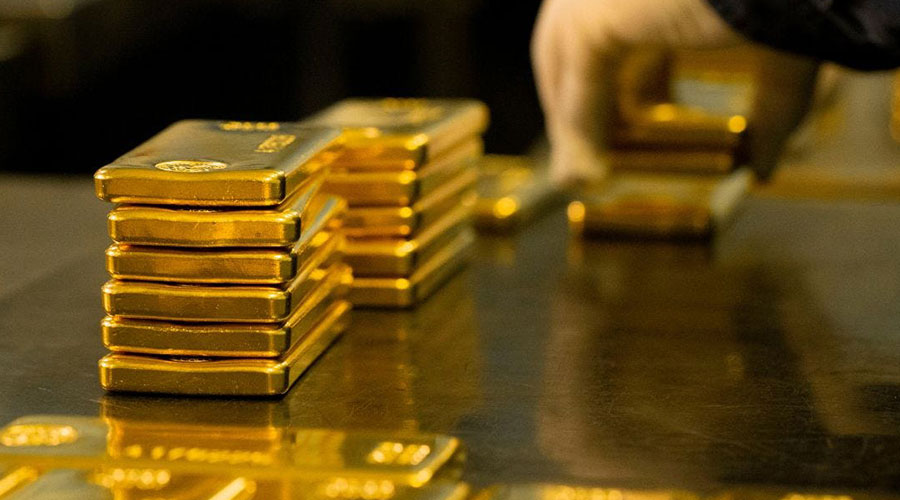
How to Buy Gold in South Africa| Physical, Paper & Digital
How to Buy Gold in South Africa: To buy gold in South Africa, first decide between physical gold (bars or coins, bought from an SADPMR-registered dealer with an assay certificate on delivery) and paper or digital gold (JSE-listed ETFs or online gold savings plans, bought through a broker or platform without ever taking physical delivery).
Physical gold suits buyers prioritizing tangible ownership and a hedge outside the financial system; paper and digital gold suit buyers prioritizing liquidity and zero storage hassle. Whichever route you choose, buy only from a licensed dealer, insist on documentation, and check the live gold price before paying.
Gold has long been a valuable, stable investment, and South Africa — home to some of the richest gold deposits on Earth — remains one of the most established places to buy it.
This guide walks through exactly how to buy both physical and paper/digital gold, what it costs right now, and the legal and tax details every South African buyer should know.
How to Buy Physical Gold (Coins and Bars) in South Africa
Physical gold means bars or coins you take delivery of and hold yourself, in a vault, safe, or deposit box. Here’s the process, step by step:
Step 1: Choose bars or coins. Gold bars carry the lowest premium per gram and suit larger, long-term investments — available from 1 gram up to 1 kilogram and beyond. Gold coins (Krugerrands and other bullion coins) cost slightly more per gram but offer more flexibility for smaller, incremental purchases and are easier to sell in fractional amounts. Gold jewelry carries the highest premium due to making charges and is the least efficient format if your goal is pure investment value rather than craftsmanship.
Step 2: Verify your dealer is SADPMR-registered. Only buy physical gold from a dealer registered with the South African Diamond and Precious Metals Regulator (SADPMR). This registration is your baseline guarantee of legal, traceable sourcing — ask for it directly and confirm it independently rather than taking a seller’s word.
Step 3: Confirm purity before you pay. 24K gold (999.9 fineness, 99.9% pure) is the investment-grade standard for bars and bullion coins in South Africa; 22K (91.6% pure) is more common in jewelry. Purity should be independently verifiable — via X-ray fluorescence (XRF) testing, fire assay (the industry’s definitive method), or a professional assay certificate from a licensed refinery. Hallmarks and serial numbers stamped into bars and coins should match the accompanying certificate.
Step 4: Place your order and pay securely. Reputable dealers accept bank transfer and other fully traceable, documented payment methods, with invoices and payment confirmations issued for every transaction. Avoid any payment method that isn’t traceable or reversible — cryptocurrency payments, in particular, offer none of the protections a bank transfer does if a dispute arises, so it’s worth thinking twice before using it for a large physical gold purchase.
Step 5: Receive and verify your gold. Legitimate physical gold ships fully insured and tracked. On receipt, check the bar or coin’s weight and purity against the accompanying assay certificate before considering the transaction complete.
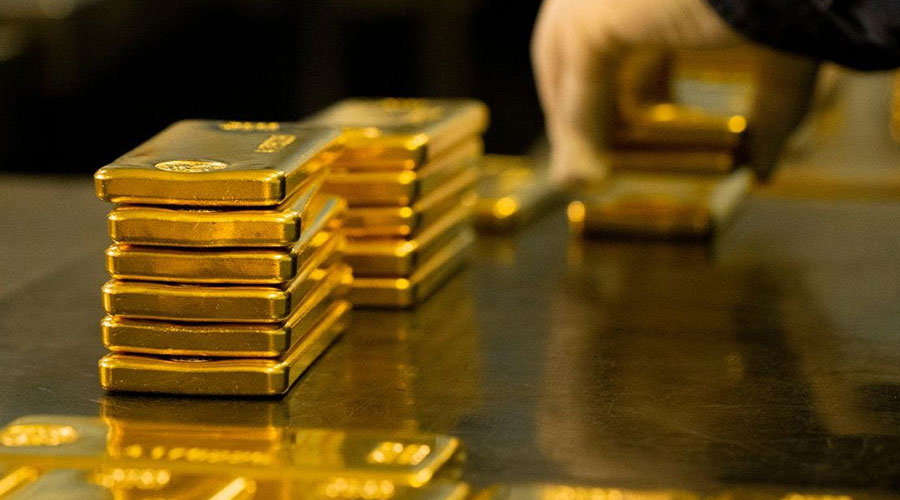
How to Buy Paper and Digital Gold in South Africa
Not every investor wants to store metal. Paper and digital gold let you gain price exposure to gold without ever taking physical delivery:
Gold ETFs (Exchange-Traded Funds). Several gold ETFs trade on the JSE, each tracking the gold price and backed by physical bullion held in secure vaults on investors’ collective behalf. Buying works exactly like buying any other JSE-listed share — through a stockbroker or investment platform, with no separate storage or insurance to arrange yourself. ETFs are highly liquid and simple to trade, but you never hold the underlying metal, and you’re relying on the fund structure rather than a vault you control.
Online gold savings and accumulation plans. Some platforms let investors buy gold incrementally — a fixed rand amount at a time — with the metal held in professional vault storage on the buyer’s behalf. This suits investors who want to dollar-cost average into gold gradually rather than commit a lump sum, without managing physical storage themselves.
Choosing between physical and paper/digital gold comes down to what you’re optimizing for: physical gold offers a tangible asset outside the banking and financial system entirely, which matters to investors specifically hedging against systemic or currency risk. Paper and digital gold offer superior liquidity, zero storage burden, and lower transaction friction for buying and selling — but they depend on the platform or fund remaining solvent and accessible. Many investors hold a combination of both.
Current Gold Price in South Africa
| Unit | ZAR | USD (approx.) | Notes |
|---|---|---|---|
| 1 Gram (24K) | ~R2,265 | ~$140 | Investment bars, 999.9 fine |
| 1 Troy Ounce (24K) | ~R70,470 | ~$4,350 | Most widely traded investment weight |
| 1 Kilogram (24K) | ~R2,265,700 | ~$140,000 | Lowest premium per gram; institutional size |
These figures reflect an international spot price near $4,350/oz and a USD/ZAR exchange rate around R16.2, current as of September 2026 — both move daily, so always confirm the live rate with your dealer before transacting rather than relying on a fixed published figure.
Legal Requirements and Taxes
- Licensed dealers only. Buy exclusively from SADPMR-registered dealers to ensure legality and authenticity.
- Identification. A valid South African ID or passport is typically required, especially for larger purchases.
- SARB compliance. Certain transactions — particularly exports — must comply with South African Reserve Bank foreign exchange regulations.
- Documentation. Keep official receipts, certificates of authenticity, and assay reports for every purchase.
- VAT. Investment-grade gold bars and bullion coins are generally VAT-exempt in South Africa; gold jewelry is not.
- Capital Gains Tax (CGT) may apply when you sell gold at a profit as an investment — consult a tax advisor for guidance specific to your situation.
- Export permits. A DMRE gold export permit is required to legally export gold from South Africa, along with proof of purchase, assay certificates, and tax compliance documentation.
Storage After Purchase
Physical gold should go into a bank safety deposit box, a licensed vault facility, or a reinforced home safe — with insurance covering theft, fire, or natural disaster regardless of which you choose.
Keep your assay certificates and receipts alongside the gold itself, and consider professional vault storage for larger holdings rather than managing security yourself.
Avoiding Gold Scams
- Purchase only from licensed, SADPMR-registered, reputable dealers — verify registration independently before transferring funds.
- Always request assay certificates, hallmarks, and proof of authenticity.
- Treat any price significantly below the LBMA spot rate as a fraud warning sign, not a bargain.
- Use traceable, documented payment methods, and avoid deals that pressure you to pay quickly or informally.

Buy Gold in South Africa With Buy Gold Bars Africa Ltd
Buy Gold Bars Africa Ltd is a south africa gold dealer and licensed Africa gold exporter, offering certified 24K and 22K gold bars, coins, and nuggets with transparent, spot-linked pricing and full documentation on every order.
As gold bar suppliers sourcing directly from trusted mining and refining networks, we ship fully insured and tracked, whether you’re in Johannesburg or ordering internationally.
Browse our certified gold bars, 1 oz gold bars, or gold ingots, and see our guides on how to buy gold bars from Africa safely and the legal requirements to buy gold bars from Africa for more on buying with confidence. Contact our team to get started with a live, spot-referenced quote.