Cheapest Place to Buy Gold in the USA: Lowest Premiums
Finding the cheapest place to buy gold in the USA means comparing total cost — spot price plus premium, fees, and applicable sales tax — not just the sticker price on a single bar.
This guide breaks down how gold bar pricing actually works, ranks purchasing channels by real cost, and shows you exactly how to minimize what you pay above the spot price, including the option most buyers overlook entirely: buying gold bars direct from Africa through a licensed Africa gold exporter.
Current gold spot price: approximately $4,120 per troy ounce as of July 23, 2026. Gold remains up sharply over the past year — nearly 18% on a trailing 12-month basis — after touching highs above $4,700 earlier in 2026, making it one of the strongest-performing assets of the decade even after its recent pullback.
Cheapest Place to Buy Gold in the USA — Ranked by Cost
From lowest total cost to highest, here’s how the main purchasing channels compare for most buyers:
| Purchase Channel | Typical 1 oz Premium | Typical 1 kg Premium | Notes |
|---|---|---|---|
| Direct-from-source African gold | 2–3% | 1.5–2.5% | Bypasses retail intermediary layers entirely |
| Online bullion dealers (generic/cast bars) | 2–3% | 1.5–2% | Lowest available cost among U.S. retail options |
| Online bullion dealers (branded bars) | 3–5% | 2–3% | PAMP, Valcambi, Perth Mint and similar refiners |
| Local coin/bullion shops | 4–7% | 3–5% | Higher overhead, immediate possession |
| Banks/wealth management | 5–10% | Rarely available | Highest premiums; institutional trust only |
| Gold ATMs / marketplace sellers | 10–20%+ | Not available | Novelty purchases; not recommended for investment |
The verdict: For the cheapest gold bars available to U.S. buyers, direct-from-source African gold and low-overhead online dealers consistently deliver the lowest premiums.
Within either category, the lowest cost per ounce comes from buying larger bars (10 oz or 1 kg), paying by bank wire, and comparing premiums before ordering.
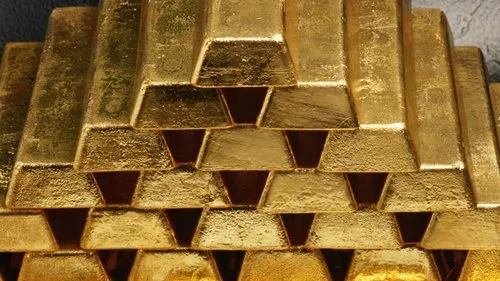
Buy Gold Bars Direct From Africa: The Cheapest place to buy gold in USA Online
For U.S. buyers willing to source internationally, buying gold direct from an African gold exporter is genuinely one of the most cost-effective ways to acquire investment-grade bullion — and it’s an option most domestic buyers never consider.
We’re a licensed Africa gold exporter supplying high-purity gold bars (22K–24K; 99.5%–99.99% fine) directly from producing mines in Ghana, Uganda, South Africa, and Tanzania, bypassing the multiple layers of refiners, distributors, and retail markups that inflate typical U.S. bullion pricing.
Because gold reaches buyers straight from the source, pricing is competitive with the lowest-premium U.S. online dealers — and bulk orders receive additional discounts, making this one of the cheapest ways to buy gold bars online for larger purchases.
What buying direct from Africa provides U.S. buyers:
- Gold bars in sizes from 1 gram to multi-kilogram, plus gold nuggets and doré bars
- Full assay certification confirming 99.5%–99.99% purity
- Secure, fully insured international shipping with live tracking (7–10 days to the USA)
- Complete export documentation for seamless U.S. Customs clearance
- Transparent pricing pegged to global COMEX/LBMA spot rates
- Bulk discounts available on orders of 5 kg or more
All shipments include the export permits and assay documentation required for U.S. Customs. Gold imports exceeding $10,000 must be declared on entry, and we handle the full export compliance process so buyers receive clean, fully documented shipments — no surprises at the border.
Key Tips for Buying Gold Bars Online at the Lowest Price
- Compare premiums, not just prices. The cheapest absolute price is not always the cheapest premium once bar size and purity are accounted for.
- Pay by bank wire. Credit card surcharges of 2–4% can add well over $100 to a single 1 oz bar purchase at current prices. Wire transfer eliminates this cost entirely.
- Buy larger bars where your budget allows. The premium on a 10 oz or 1 kg bar is materially lower per ounce than on a 1 oz bar, and dramatically lower than on fractional gram bars.
- Check the buyback spread. The cheapest dealer to buy from isn’t always the best overall if their buyback terms are poor — confirm resale terms before purchasing.
- Verify credentials. Check business registration, licensing, and verified customer or trade references before sending payment, whether you’re buying domestically or from an international Africa gold exporter.
How Gold Bar Prices Are Built: Spot Price + Premium
Every gold bar price is made up of two components:
The spot price — the global market rate for one troy ounce of gold at that moment, set by COMEX and the LBMA and updated continuously during trading hours. As of July 23, 2026, spot sits at approximately $4,120 per troy ounce.
The dealer premium — the markup above spot that covers refining costs, packaging, distribution, and the seller’s margin. This is the number you can actually control, and minimizing it is the key to finding the cheapest gold bars available to you.
Premiums vary by:
- Bar size — larger bars carry lower premiums per ounce; a 1 kg bar might carry a 1.5–2.5% premium while a 1 gram bar can run 10% or more.
- Refiner — bars from highly recognizable LBMA-listed refiners command slightly higher premiums than generic cast bars, even though both contain identical gold — the difference is brand liquidity.
- Bar type — cast bars (poured, rustic finish) are cheapest; minted bars (polished, sealed assay packaging) cost a little more but resell more easily.
- Sourcing channel — direct-from-mine sourcing through a licensed Africa gold exporter cuts out layers of intermediary markup that typical retail channels carry.
- Payment method — credit card purchases add a 2–4% surcharge; bank wire transfers avoid this entirely.
- Order size — most sellers offer volume discounts on orders of 5+ ounces or multi-kilo purchases.
Current Gold Bar Prices in the USA
Based on a spot price of approximately $4,120 per troy ounce as of July 23, 2026, here are realistic price ranges across common bar sizes, reflecting the lowest-premium channels available:
| Gold Bar Size | Spot Value | Retail Price Range (USD) | Typical Premium |
|---|---|---|---|
| 1 gram | ~$132 | $146 – $163 | 10–23% |
| 5 gram | ~$662 | $715 – $768 | 8–16% |
| 10 gram | ~$1,324 | $1,404 – $1,483 | 6–12% |
| 1 oz (31.1g) | ~$4,120 | $4,244 – $4,367 | 3–6% |
| 10 oz | ~$41,200 | $42,024 – $42,848 | 2–4% |
| 1 kg (32.15 oz) | ~$132,443 | $134,430 – $135,754 | 1.5–2.5% |
Always verify live pricing directly with your dealer before transacting — gold prices change by the minute during market hours, and retail prices update accordingly.
How to Verify Gold Bar Authenticity Before You Buy
Buying from a reputable, accredited seller is the most important authenticity protection available to you. Beyond that, here’s what to check on any gold bar:
Mint markings: Every genuine investment-grade bar is stamped with the refiner’s logo, bar weight, purity (e.g., 999.9 or 24K), and a unique serial number, crisply and precisely stamped.
Assay certification: Bars should arrive in tamper-evident assay cards or sealed packaging that includes the serial number, weight, purity, and refiner’s certification. Never accept a bar without its original assay documentation.
Physical tests you can perform:
- Magnet test — gold is non-magnetic; a bar that sticks to a magnet is not gold.
- Dimensions check — genuine bars have precise, consistent dimensions against the manufacturer’s published specifications.
- Ping test — a genuine gold bar produces a clear, sustained ring when gently struck, not a dull thud.
Professional testing: XRF (X-ray fluorescence) analysis is the gold standard for non-destructive purity verification, typically costing $50–$150. Ultrasound testing detects tungsten cores — the most common sophisticated counterfeit method. For purchases above $10,000, professional testing is well worth the minor additional cost before final payment.
The scam warning that matters most: any seller offering gold at prices significantly below the current spot price is almost certainly selling fake, low-purity, or non-existent gold. Legitimate gold cannot be sold below its metal value — if a deal looks too good to be true, it is.
Pro Tips for Getting the Lowest Price on Gold Bars in the USA
- Buy larger bars. The single most effective way to reduce your cost per ounce is to buy bigger — the premium on a 1 kg bar runs roughly 1.5–2.5% versus 3–6% on a 1 oz bar.
- Pay by bank wire. At today’s prices, a 3% credit card surcharge adds over $120 per ounce. Wire transfer eliminates this entirely.
- Compare premiums before every purchase. Premiums on the same bar size and purity can vary meaningfully across sellers.
- Buy during market dips. Dollar-cost averaging — buying fixed dollar amounts at regular intervals — reduces the impact of short-term price swings on your average cost.
- Choose cast bars over minted for the lowest premium. Both contain the same gold; cast bars simply cost less to produce and pass that saving on to you.
- Avoid fractional sizes for bulk purchases. Half-ounce, quarter-ounce, and gram bars carry dramatically higher premiums per ounce than full 1 oz or larger bars.
- Check your state’s sales tax rules. As of 2026, most states exempt investment-grade bullion from sales tax, but several — including Hawaii, Maine, New Mexico, Vermont, Washington, D.C., and, following a January 2026 repeal, Washington State — apply full or partial sales tax to gold purchases. California exempts purchases above $1,500 but taxes smaller transactions. For large purchases, the state tax difference can amount to thousands of dollars, so confirm your state’s current rules before buying.
FAQs: Cheapest place to buy gold in USA
What is the cheapest place to buy gold bars in the USA? Direct-from-source international sellers and low-overhead online bullion dealers consistently offer the lowest premiums — typically 2–5% above spot for 1 oz bars and as low as 1.5–2.5% for 1 kg bars. Paying by bank wire and buying larger bars reduces cost further.
What is the cheapest gold bar size to buy? In terms of lowest premium per ounce, 1 kg bars are the cheapest to buy — premiums as low as 1.5–2.5% versus 3–6% on a 1 oz bar. Kilo bars require more capital (well over $130,000 at current prices) and secure storage, so for most buyers, 10 oz bars offer a practical balance of low premiums and manageable cost.
How much is gold per ounce in the USA right now? As of July 23, 2026, the gold spot price is approximately $4,120 per troy ounce. Add a dealer premium of 3–6% to get the retail price for a 1 oz bar — approximately $4,244–$4,367 depending on the seller and bar type.
Is it cheaper to buy gold bars online or from a local shop? Online and direct-from-source international purchasing are consistently cheaper. Local shops charge 4–7% premiums on 1 oz bars versus 2–5% through online or direct channels, because storefronts carry higher operational costs. The trade-off is that local shops offer immediate possession and in-person inspection.
What purity should the cheapest investment-grade gold bars be? A minimum of .999 fine (99.9% pure). Most investment-grade bars, including those sourced through a licensed Africa gold exporter, run .995–.9999 fine. Never buy investment gold below .999 purity — it will be harder to resell and may not qualify for IRA accounts.
Can I put gold bars in an IRA to reduce taxes? Yes. A self-directed IRA can hold physical gold bars meeting IRS purity requirements (minimum .995 fine for gold). Gold held in an IRA grows tax-deferred (traditional IRA) or tax-free (Roth IRA), which can meaningfully improve your after-tax return over a long holding period.
What is the safest way to pay for gold bars online? Bank wire transfer is the safest and lowest-cost method. It eliminates credit card surcharges and is traceable. Never pay by cryptocurrency, money order, gift card, or cash for a large gold purchase from a seller you haven’t previously used, and always confirm wire instructions directly through the seller’s verified website before sending funds.
How do I know if a gold bar deal is a scam? The clearest signal: any price below the current spot price is a scam. Gold cannot be sold for less than its metal value by a legitimate seller. Other red flags include missing assay certification, no verifiable business registration, pressure to pay by untraceable methods, and no checkable trading history.
Buy Gold Bars Direct From Africa — The Smarter Way to Buy Gold in 2026
If you’re chasing the lowest possible premium on investment-grade gold, buying direct from a licensed Africa gold exporter deserves a place at the top of your comparison list, not an afterthought.
As a licensed exporter sourcing certified 22K–24K gold directly from mining operations in Ghana, Uganda, South Africa, and Tanzania, we cut out the layers of intermediary markup that inflate typical U.S. retail pricing — while still delivering the fully insured shipping, complete assay certification, and export documentation you need for smooth U.S. Customs clearance.
Browse our certified 24K gold bars, 1 oz gold bar, gold ingots, and 22K gold bars, or explore buying physical gold online with full documentation and bulk pricing on orders of 5 kg or more.
Ready to buy gold at genuinely mine-direct pricing? Contact our team today for a live quote benchmarked against today’s spot price.
Related Pages
- 24K Gold Bars for Sale
- 1 oz Gold Bar
- Gold Ingots for Sale
- Gold Dust & Doré
- Gold Nuggets & Bullion
- 22K Gold Bars
- Buy Physical Gold Online
- Buy Gold Bars Locally
- Raw Gold for Sale in Africa
- Gold Bars for Sale in Kampala
- Where to Buy Gold in South Africa
- Buy Gold in Tanzania
- South Africa Gold Export License
- South Africa Gold Export Requirements
- Ghana Gold Export Procedure
- Gold Export Tax in Uganda
- Legal Requirements to Buy Gold Bars from Africa
- How to Buy Gold Bars from Africa Safely
- About Us
- Contact Us