
Is It Safe to Mail Gold Jewelry? An Ultimate Guide 2026
Is it safe to mail gold jewelry? Learn the best shipping methods, packaging tips, insurance options, and security measures for sending gold jewelry safely.
Is it safe to mail gold jewelry? Yes — mailing gold jewelry is genuinely safe, provided you account for two things that don’t apply the same way to gold bars or coins: fragility and valuation complexity. A gold bar is a solid, uniform block; a gold coin is flat and simple to appraise by weight and purity.
Jewelry is neither — clasps, prongs, chains, and set gemstones all introduce genuine damage risk during transit, and a piece’s true value often has as much to do with craftsmanship and stones as it does with the gold itself.
This guide covers exactly what makes mailing gold jewelry safely different from shipping bullion, and what to get right before you send a piece anywhere in Europe.
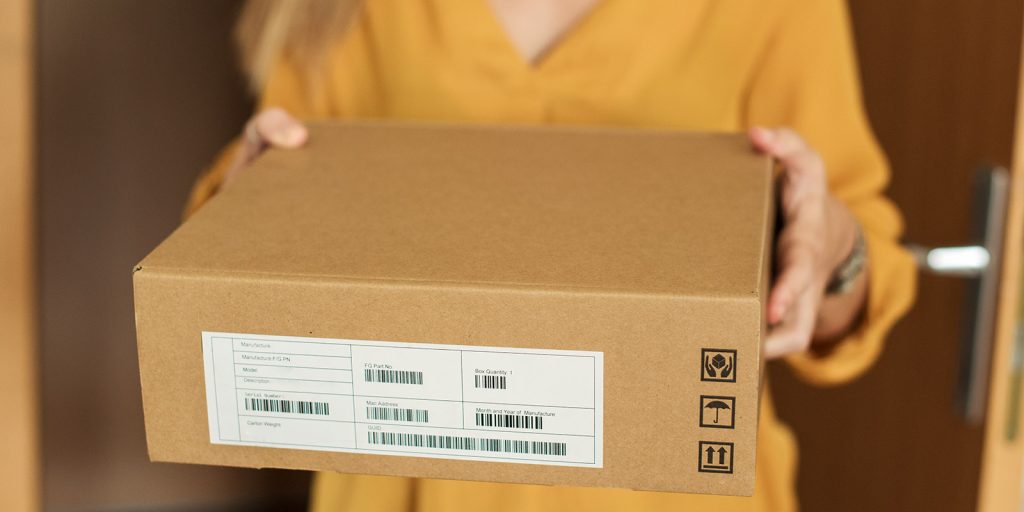
Why Gold Jewelry Presents Different Mailing Risks Than Bars or Coins
A gold bar or coin can be wrapped, boxed, and mailed with relatively simple, uniform packaging. Jewelry can’t. Chains tangle and kink if not secured individually.
Clasps and prongs bend or break under pressure that a solid bar would simply shrug off. Set gemstones can loosen or fall out if a piece isn’t cushioned correctly, and delicate filigree or hollow gold work is genuinely more vulnerable to crushing than solid bullion.
None of this makes mailing jewelry unsafe — it just means the packaging and handling considerations are meaningfully different from what applies to bars or coins, and treating jewelry the same way you’d treat a solid gold bar is exactly how damage happens in transit.
Getting an Accurate Appraisal Before You Mail
Before anything else, get a proper appraisal for any jewelry piece of genuine value. Unlike a bar or coin, where value is essentially weight multiplied by purity and the current spot price, jewelry’s true worth often includes craftsmanship, brand, age, and any set gemstones — factors a simple gold-weight calculation completely misses.
An accurate, documented appraisal matters for two reasons: it’s what any genuine insurance policy will be based on, and it’s your reference point if a dispute over condition or value arises after the piece arrives.
Packaging Gold Jewelry Safely for Mailing
Each piece should be wrapped individually, never bundled loosely together where chains can tangle or harder pieces can scratch softer ones. Secure chains by threading them through a small piece of cardboard or a straw before wrapping, which prevents the knotting that otherwise happens almost inevitably in transit.
Cushion rings, earrings, and pendants in a small box or padded jewelry pouch before placing them inside the outer shipping box, giving prongs and clasps genuine protection from pressure.
As with bullion, use a rigid outer box rather than a padded envelope alone — jewelry’s irregular shapes make crushing damage a real risk in anything less structured.
Insurance for Mailing Gold Jewelry
This is where jewelry genuinely diverges from bars and coins in a way worth understanding clearly. Standard postal insurance, where available, is typically calculated as a flat coverage amount unrelated to a piece’s actual appraised worth — meaning a jewelry piece with meaningful craftsmanship or gemstone value can be significantly underinsured even under a “fully insured” mailing option.
For anything beyond a modest, easily-replaceable piece, arrange insurance specifically matched to your appraisal, either through a specialist insurer or a shipping provider genuinely equipped to insure jewelry at appraised value rather than gold-weight value alone.
Discreet Packaging and Addressing
The same discretion principles that apply to bullion apply equally here: never write “jewelry,” “gold,” or any similar description on the parcel’s exterior, and use plain, unmarked outer packaging rather than anything visually associated with a jeweler or gold dealer. A parcel that doesn’t advertise its contents is a parcel far less likely to be targeted at any point in the handling chain.
Tracking and Signature Confirmation
Always choose a mailing or shipping option that includes full tracking and requires a signature on delivery. This matters even more for jewelry than for bullion in one specific way: a signature requirement means the recipient can inspect the parcel’s condition immediately upon receipt, rather than a jewelry piece sitting unattended and potentially exposed after a doorstep delivery.
When Jewelry Should Not Be Mailed at All
Some pieces genuinely shouldn’t go through the post regardless of how well they’re packaged or insured. One-of-a-kind heirlooms, irreplaceable family pieces, or anything with sentimental value that no insurance payout could actually replace are better handled through a specialist courier offering armored transport and full chain-of-custody tracking, or transported in person where that’s realistically possible.
Our guides on Brinks gold shipping and Malca-Amit gold shipping cover exactly this kind of professional, insured logistics for shipments where standard mail genuinely isn’t the right choice.
Customs Considerations for Mailing Jewelry Across European Borders
Mailing jewelry within the EU’s single market generally involves less friction than shipments to or from outside the bloc, but accurate customs declarations still matter for cross-border jewelry parcels.
Declare the piece’s genuine appraised value and an honest description — a gold necklace with sapphires should be declared as exactly that, not simply “jewelry,” since accurate declarations protect your ability to claim compensation if something goes wrong in transit.
Our country-specific guides on buying gold in Germany, Belgium, and France cover how each country’s customs process handles gold items generally, including the investment-versus-non-investment distinction that affects jewelry differently than bullion.
Is It Safe to Mail Gold Jewelry? The Honest Answer
Yes, for the majority of jewelry pieces — provided you appraise accurately, package with the specific fragility of jewelry in mind rather than treating it like a solid bar, insure to match the real appraised value rather than a generic postal cap, and keep the parcel’s exterior completely discreet.
For genuinely irreplaceable pieces, a specialist courier or in-person transport remains the safer choice regardless of how well the parcel is otherwise prepared.
Have questions about safely shipping a jewelry order across Europe? Contact our team to discuss secure delivery options, or browse our certified 24K and 22K gold bars if you’re sourcing investment-grade gold rather than jewelry specifically.

FAQ: Is It Safe to Mail Gold Jewelry?
Is it generally safe to mail gold jewelry? Yes, for most pieces, provided you appraise accurately, package with jewelry’s specific fragility in mind, and insure to match the piece’s real value.
Why is jewelry riskier to mail than a gold bar or coin? Jewelry has fragile components — clasps, prongs, chains, set gemstones — and its value often includes craftsmanship and stones on top of the gold content itself, neither of which applies to a solid bar or coin.
Does standard postal insurance cover jewelry’s full value? Not always — many postal insurance options are calculated on a flat basis unrelated to a piece’s actual appraised worth, so jewelry with real craftsmanship or gemstone value can end up underinsured.
How should I package a gold necklace or chain for mailing? Thread the chain through cardboard or a straw to prevent tangling, cushion it in a small padded box, then place that inside a rigid outer shipping box.
Should irreplaceable heirloom jewelry be mailed at all? Generally no — pieces with genuine sentimental or one-of-a-kind value are better handled through a specialist courier with full chain-of-custody tracking, or transported in person.

