Gold Sellers in Ghana: How to Buy Gold Legally and Safely
Gold Sellers in Ghana: Legitimate gold sellers in Ghana are licensed by the Ghana Gold Board (GoldBod) or by the Minerals Commission. Since 2025, GoldBod is the only body allowed to buy, assay and export gold from Ghana’s artisanal and small-scale mines. It replaced the former Precious Minerals Marketing Company (PMMC).
Foreign buyers therefore cannot legally buy small-scale gold directly from miners or local traders. Instead, you can buy:
- From GoldBod, or through traders it has licensed and approved
- From large-scale mining companies, which export their own gold under their mining licences
- From licensed exporters and refiners, which provide full documentation
How to recognise a genuine gold seller in Ghana:
- They show a valid GoldBod or Minerals Commission licence.
- They provide an official assay certificate for purity and weight.
- They obtain an export permit and certificate of origin for the shipment.
- Their prices are based on the live LBMA gold price, not “too good to be true” discounts.
- They accept secure payment, such as escrow or a bank-to-bank transfer, released against your documents.
Ghana is Africa’s largest gold producer, producing around 4.8 million ounces in 2024. Gold is the country’s biggest export, earning about US$20.9 billion in 2025. But Ghana’s gold trade also attracts many scammers, who offer cheap gold dust, nuggets or bars with fake documents. Buying only through licensed channels protects you from losing money and from legal trouble.
This guide explains how to find and verify trusted gold sellers in Ghana, how the GoldBod system works, the documents and costs involved, and how to buy gold bars, gold nuggets and gold bullion safely, with secure international delivery. Read our gold authentication guide and how to buy gold bars from Africa safely before you buy.
Who Are the Gold Sellers in Ghana? The Supply Chain
1. Artisanal and Small-Scale Miners
Artisanal and small-scale miners produce a large share of Ghana’s gold. They work across the country’s main gold belts in the Ashanti, Western, Eastern and Central Regions, including areas around Obuasi, Tarkwa, Prestea and Akyem. Their output is mostly gold dust and nuggets of varying purity.
Buying directly from individual miners is illegal for foreign buyers and carries serious traceability risks. Since 2025, all small-scale gold must be sold to the Ghana Gold Board (GoldBod) or to its licensed buyers and aggregators.
2. GoldBod and Licensed Gold Buyers
The Ghana Gold Board (GoldBod) is now the central buyer, assayer and exporter of gold from small-scale mines. It licenses local buyers and aggregators to buy gold from miners and supply it to GoldBod. GoldBod then assays, prices and exports the gold.
For international buyers, the key credential is authorisation by GoldBod. Before any deal, ask the seller for their GoldBod licence and check it directly with GoldBod.
3. Large-Scale Mining Companies
Major mining companies, such as Newmont (Ahafo and Akyem), Gold Fields (Tarkwa) and AngloGold Ashanti (Obuasi), produce much of Ghana’s gold. They export it under their own mining leases, usually as doré to international refineries. They generally sell under long-term contracts and don’t sell directly to small private buyers.
4. Refineries
Ghana’s domestic refineries, such as Royal Ghana Gold Refinery and Gold Coast Refinery, process gold into higher-purity bars. Refined gold with a proper assay certificate makes export and resale easier. Before buying, check whether the refinery is accredited, and whether the bars come with GoldBod export documentation.
Learn how to check a seller’s documents in our gold authentication guide and how to buy gold bars from Africa safely.
Where to Buy Gold in Ghana Legally
1. Ghana Gold Board (GoldBod). GoldBod is the government body that buys, assays and exports all gold from Ghana’s artisanal and small-scale mines. International refiners, banks and large buyers can buy directly from GoldBod under formal contracts. This is the highest-trust option for buying Ghanaian gold.
2. GoldBod-licensed buyers and aggregators. These are local companies licensed by GoldBod to buy gold from miners and supply it into the official system. Always check a company’s licence directly with GoldBod before dealing with it, not only through documents the seller sends you.
3. Large-scale mining companies. Major producers such as Newmont, Gold Fields and AngloGold Ashanti export gold under their own mining leases, mainly to international refineries under long-term contracts.
4. Domestic refineries. Refineries such as Royal Ghana Gold Refinery and Gold Coast Refinery produce higher-purity gold bars. Ask for assay certificates and GoldBod export documents with every purchase.
Prefer to avoid the risks of buying in Ghana? Buy Gold Bars Africa Ltd is a licensed gold exporter in Uganda (Mineral Dealer’s Licence No. MDL20260708). It supplies certified 24K gold bars with independent assay, full export documents and insured worldwide delivery, with no advance fees. Contact us or call/WhatsApp +256 707 585144.
The Regulatory Bodies Every Buyer Must Know
Minerals Commission — The government agency responsible for issuing mining licences, dealer licences, and export permits. All gold sellers in Ghana must be registered on the Minerals Commission’s official dealers and traders list. Verify any seller at www.mincom.gov.gh before engaging commercially.
Precious Minerals Marketing Company (PMMC) — The government-authorised body legally permitted to grade, assay, value, and certify gold and precious minerals in Ghana.
PMMC issues assay certificates and export certificates, and licenses gold buying and export agents. No gold export from Ghana is legal without PMMC certification. Located at Diamond House, Kinbu Road, Accra.
Ghana Gold Board (GoldBod) — Established to regulate and oversee the trade and export of gold, set standards for gold trading, ensure fair trade practices, and maintain transparent records to prevent illegal mining (galamsey). Works alongside the Minerals Commission and PMMC.
As of January 2025, Ghana requires all exported gold to meet a minimum purity of 96%, meaning raw and semi-refined gold must be refined to standard before shipment.
Required Documentation from Every Gold Seller in Ghana
A legitimate gold seller in Ghana will provide or assist you in obtaining every document below. Any resistance to documentation is a disqualifying red flag.
| Document | Purpose | Issuing Authority |
|---|---|---|
| Minerals Commission Dealer Licence | Confirms seller is licensed to buy and sell gold | Minerals Commission |
| PMMC Export Certificate | Mandatory certification for all gold exports | PMMC |
| Assay / Purity Certificate | Certifies weight and purity per shipment | PMMC or accredited laboratory |
| Export Permit | Authorises legal export from Ghana | Minerals Commission |
| Certificate of Origin | Confirms gold was legally mined in Ghana | Minerals Commission / Customs |
| Commercial Invoice | Records seller, buyer, quantity, unit price, total | Seller / exporter |
| Customs Declaration | Clearance for export compliance | Ghana Customs Authority |
| Insurance Certificate | Required for insured precious metals shipment | Insurer / shipping provider |
Exported gold is also subject to a 3% royalty fee payable to the government. Factor this into your total cost of acquisition.
How to Identify a Legitimate Gold Seller in Ghana
| ⚠️ Red Flags — Avoid This Seller | ✅ Signs of a Legitimate Seller |
|---|---|
| No verifiable Minerals Commission licence | Licence number verifiable at www.mincom.gov.gh |
| No PMMC certification or export certificate | Holds active PMMC licence and LGE designation |
| Prices far below the international spot rate | Pricing transparent and close to international spot |
| Requests advance payment before documents | Full documentation package provided upfront |
| Communicates only via WhatsApp or social media | Registered business address and verifiable legal entity |
| Claims instant availability of tonnes of gold | Realistic monthly volumes consistent with mine output |
| No independent assay certificate offered | Independent PMMC or lab-certified assay per shipment |
| Refuses escrow or secure payment structures | Accepts bank escrow or structured payment arrangements |
Ghana’s gold trade — like the broader West African mineral market — is heavily targeted by advance-fee fraud, fake PMMC certificates, purity substitution (gold-plated alloy sold as 22K or 24K), and phantom supply fraud. Approximately 229 tonnes of gold were smuggled out of Ghana over a five-year period, demonstrating the scale of the informal and fraudulent trade.
Any offer significantly below the international spot price is a fraud indicator. Genuine licensed sellers price at or near market parity.
What Forms of Gold Do Sellers in Ghana Offer?
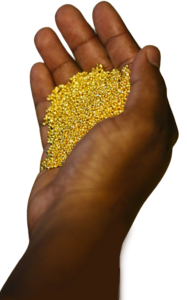
Gold Dust — Produced by artisanal miners in Ghana’s western gold belts. Purity ranges from 18K to 22K. Always commission a PMMC or independent laboratory assay before purchase — never rely on the seller’s stated purity.
Gold Nuggets — Natural nuggets from alluvial operations, typically 20K to 22K. May carry a collector premium for larger, well-formed pieces.
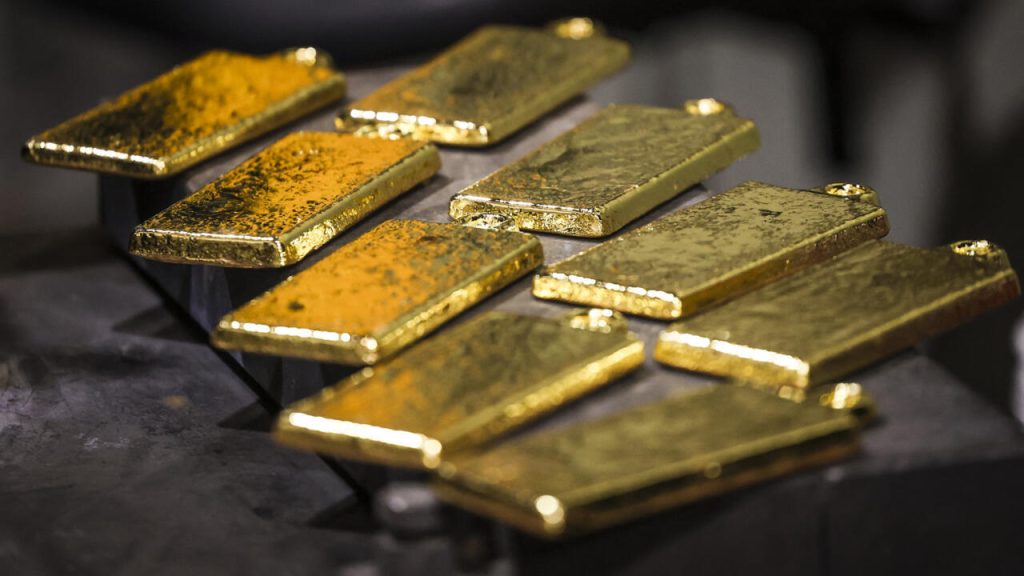
Doré Bars — Semi-refined gold-silver alloy bars from small and semi-industrial operations. Typically 80–95% combined gold and silver content. Standard input for professional refineries and the most common form for bulk export buyers.
Refined Bars (22K–24K) — Produced by domestic refineries including Gold Coast Refinery. Meet Ghana’s 96% minimum export purity requirement introduced in January 2025.
Investment-Grade Bars (999.9 Fine / 24K LBMA) — LBMA Good Delivery standard bars are not produced domestically in Ghana. Specialist facilitators such as Buy Gold Bars Africa Ltd can source verified Ghanaian gold, arrange PMMC-compliant export, and deliver LBMA-standard 999.9 fine bars through partnered Swiss refineries.

Conclusion
Ghana’s gold market is one of Africa’s most structured and regulated, built around the Minerals Commission, PMMC, and GoldBod.
Every legitimate gold seller in the country operates within this framework — with a verifiable licence, PMMC assay certification, and full export documentation.
Verify licences at the Minerals Commission portal before any engagement. Insist on PMMC assay certificates for every consignment. Use escrow or bank transfer structures — never advance cash payments. The sellers listed above represent Ghana’s most verifiable and reputable operators across the full supply chain.

