Buy Gold in Austria: Pure Certified 24K Gold Bars
Looking to buy gold in Austria? Austria remains one of the last places in the EU where a private banker won’t blink at a physical gold holding. Bank secrecy protections for bullion have stayed intact even as transparency rules tightened elsewhere in Europe, and Austrians are estimated to hold billions of euros in private gold as a result, according to figures linked to the Austrian National Bank (Oesterreichische Nationalbank).
That discretion, combined with zero VAT on investment gold and a genuinely favorable sale-side tax rule, makes gold in Austria one of Europe’s quieter, most gold-friendly markets — and one where sourcing your gold bar in Austria directly from a licensed African exporter can mean real savings over a domestic dealer.
This guide covers sourcing certified Goldbarren (gold bars) from Africa, Austria’s import rules, its VAT and tax position, and getting gold in Vienna, Salzburg, or Innsbruck delivered — or vaulted — securely.
VAT on Gold in Austria
Investment-grade bars at 99.5%+ purity, and qualifying coins including the Austrian Mint’s own Vienna Philharmonic, are fully exempt from VAT under the same EU-wide directive that applies across the bloc.
Our 24K bars, certified at 999.9 fine, clear this comfortably — no VAT whether your bar came from a Vienna dealer or arrived direct from Africa, which is exactly why the 24K gold price in Austria from a licensed exporter is directly comparable to a domestic quote, minus the retail markup.
The sale side is where Austria has its own character. Private gold sales fall under a one-year speculation period (Spekulationsfrist): hold for more than 12 months and the sale is entirely tax-free; sell within the first year and the gain can be taxed as speculative income at your ordinary progressive rate.
That makes a documented purchase date genuinely valuable — exactly what a proper invoice and assay certificate from an African purchase provides, same as it would from a domestic dealer.
Buying Gold Bars in Austria From Africa
The Austrian Mint’s Vienna Philharmonic is a genuinely excellent coin, but coins aren’t bars, and buyers specifically wanting a 24K gold bar in Austria often find the domestic premium harder to justify once they’ve compared it to direct sourcing.
A 1kg African-sourced bar typically runs €150–€300 cheaper than the equivalent gold bar price in Austria from a local Vienna, Salzburg, or Innsbruck dealer — this isn’t a theoretical saving, it’s become a fairly well-established pattern among Austrian buyers who’ve already made the comparison.
As a licensed Africa gold exporter, we source directly from licensed miners in Uganda, Kenya, South Africa, Tanzania, Mali, Mozambique, Zambia, and the DRC, with independent assay documentation from the point of extraction. Browse our full 24K gold bars catalogue and 1 oz gold bars for current stock, or see our gold ingots if you’re sourcing at larger volume.
Gold Import Regulations in Austria
Standard EU customs rules apply. Cash or cash-equivalent instruments worth €10,000 or more, entering from outside the EU, get declared via the EU Cash Declaration form.
Gold itself moves separately through the ordinary customs goods process, backed by an assay certificate, certificate of origin, invoice, and export permits — all of which we prepare as standard on every order, consistent with our published legal requirements for buying gold bars from Africa. Our safety guide covers the verification checklist worth running through before any international gold purchase, wherever you’re buying from.
Shipping Gold to Austria
Specialized precious-metals carriers handle the movement — armored, tracked, and fully insured from Africa to your address in Vienna, Salzburg, Innsbruck, or Graz, typically within 5–7 days. Many Austrian buyers, particularly on larger orders, opt for secure vault storage over home delivery — a well-worn pattern locally, consistent with Austria’s broader culture of discreet private banking.
Best Investment Gold for Austrian Buyers
Given the one-year Spekulationsfrist, holding period matters as much as bar size when you’re planning a gold bar Austria purchase. A 1g or 10g bar works well for a first purchase, letting you test the process before committing larger sums. The 1kg bar remains the most popular size among serious Austrian buyers specifically because of the strong per-kilo savings versus local dealers.
With euro inflation running around 6.8% in recent quarters, ECB rates near 3.75%, and real estate yields down near 2.1%, more Austrian investors are treating physical bars as the asset that held up through recent market volatility while sitting entirely outside the banking system.
Current 24K Gold Price in Austria (EUR & USD)
As of today, the global gold spot price sits at approximately $4,120 per troy ounce, or roughly €116 per gram at current exchange rates. Here’s how that translates across common bar sizes for anyone tracking the gold price Vienna 24 carat or comparing the austria gold price 24k today 100g rate against a domestic dealer:
| Weight | Buy Gold Bars Africa (EUR) | Buy Gold Bars Africa (USD) | Typical Austrian Dealer Price (EUR) |
|---|---|---|---|
| 1 gram | ~€116 | ~$132 | ~€120 – €123 |
| 10 grams | ~€1,160 | ~$1,324 | ~€1,195 – €1,218 |
| 1 troy oz (31.1g) | ~€3,609 | ~$4,120 | ~€3,700 – €3,753 |
| 100 grams | ~€11,603 | ~$13,244 | ~€11,893 – €12,067 |
| 1 kilogram | ~€116,030 | ~$132,440 | ~€116,180 – €116,330 |
Snapshot pricing — moves daily. Both sourcing routes qualify equally for the VAT exemption. Request current pricing before ordering.
Why Austrian Buyers Choose Us
Real per-kilo savings against local dealers, documentation that also protects your position under the Spekulationsfrist rule, and fully insured delivery landing within a week. Browse our guide to where to buy gold in Africa for sourcing context, or our safety guide before ordering your first gold bar Austria shipment.
Best Place to Buy Gold in Austria: Local Dealers vs. Direct African Sourcing
If you’re weighing where to buy gold in Austria, the honest comparison comes down to premium versus convenience. A Vienna jeweler or bullion dealer offers same-day pickup and face-to-face reassurance, but that convenience is priced into the premium you pay.
Buying gold in Austria online through a licensed Africa gold exporter trades a few days’ wait for a meaningfully lower per-gram cost — particularly once you’re buying at 100g or 1kg scale, where the savings compound. Both routes qualify for the same EU VAT exemption on investment-grade bars, so the tax treatment isn’t the deciding factor; the price and documentation are.
FAQ About Buying Gold in Austria
Is investment gold VAT-exempt in Austria? Yes — bars at 99.5%+ purity and coins like the Vienna Philharmonic are fully exempt, under the same EU directive used across the bloc.
Do I owe tax when I sell gold in Austria? Not after 12 months of ownership — Austria’s Spekulationsfrist makes private sales tax-free past that point. Sales within the first year can be taxed as speculative income.
How much cheaper is African-sourced gold in Austria? A 1kg bar typically runs €150–€300 less than an equivalent Austrian dealer bar, with proportionally larger savings on smaller bar sizes.
How long does shipping to Austria take? Usually 5–7 days, via a specialized, fully insured precious-metals carrier.
Can I store gold in Austria instead of taking delivery? Yes — secure vault storage is a common arrangement for Austrian buyers, particularly on larger orders.
Buy Gold in Austria Online From a Licensed Africa Gold Exporter
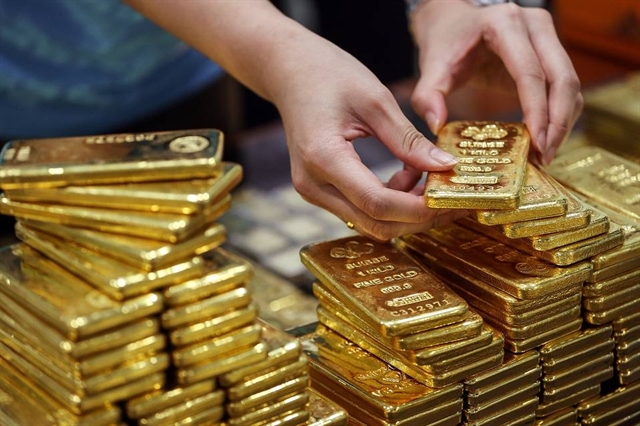
We’re a licensed Africa gold exporter, sourcing certified 24K gold direct from mining operations in Uganda, Kenya, South Africa, Tanzania, Mali, Mozambique, Zambia, and the DRC — not a retail middleman adding another markup layer between the mine and your vault.
Every shipment to Austria includes a full assay certificate, certificate of origin, commercial invoice, and export permit, giving you exactly the documentation the Spekulationsfrist rule rewards.
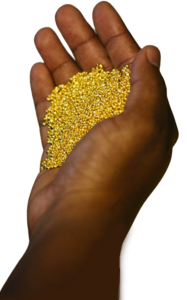
Browse our gold bars, gold nuggets, and gold dust catalogues, or explore bulk order options if you’re sourcing above 1kg. For comparison, see how buyers in Germany, Switzerland, France, Italy, Spain, and the UK are sourcing the same certified 24K bars we ship to Vienna, Salzburg, and Innsbruck.
Get in touch for a live quote benchmarked against today’s spot price, or to arrange secure vault storage instead of home delivery.
Related Pages
- 24K Gold Bars
- 1 oz Gold Bar
- Gold Bars — Full Catalogue
- Gold Ingots for Sale
- Gold Nuggets for Sale
- Real Gold Nuggets and Bullion
- Gold Dust
- Bulk Orders / Large Volume Gold Deals
- Where to Buy Gold in Africa
- Gold Bars for Sale in Kampala
- Where to Buy Gold in South Africa
- Buy Gold in Tanzania
- Gold Export Tax in Uganda
- How to Buy Gold Bars From Africa Safely
- Legal Requirements to Buy Gold From Africa
- Buy Gold Online in Germany
- Buy Gold Online in Switzerland
- Buy Gold Online in France
- Buy Gold Online in Italy
- Buy Gold Online in Spain
- Buy Gold in the UK
- Shipping Gold to the USA From Africa
- Silver Bullion
- About Us
- Guides & Blog
- Contact Us