What Is Gold Used For? 10 Main Uses of Gold Explained
Gold is used primarily in jewellery, investment, electronics, dentistry, medicine, aerospace and other industrial applications. Its distinctive yellow colour, resistance to corrosion, malleability and excellent electrical conductivity make it valuable for both decorative and practical purposes.
From gold necklaces and investment bars to electronic components in smartphones and advanced medical equipment, gold plays an important role in everyday life, technology and the global economy.
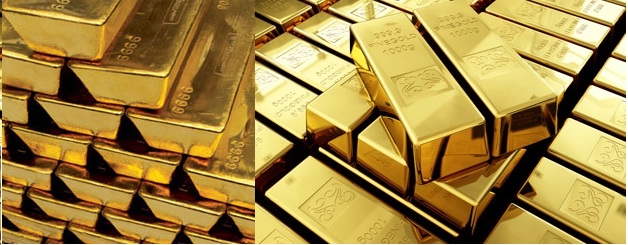
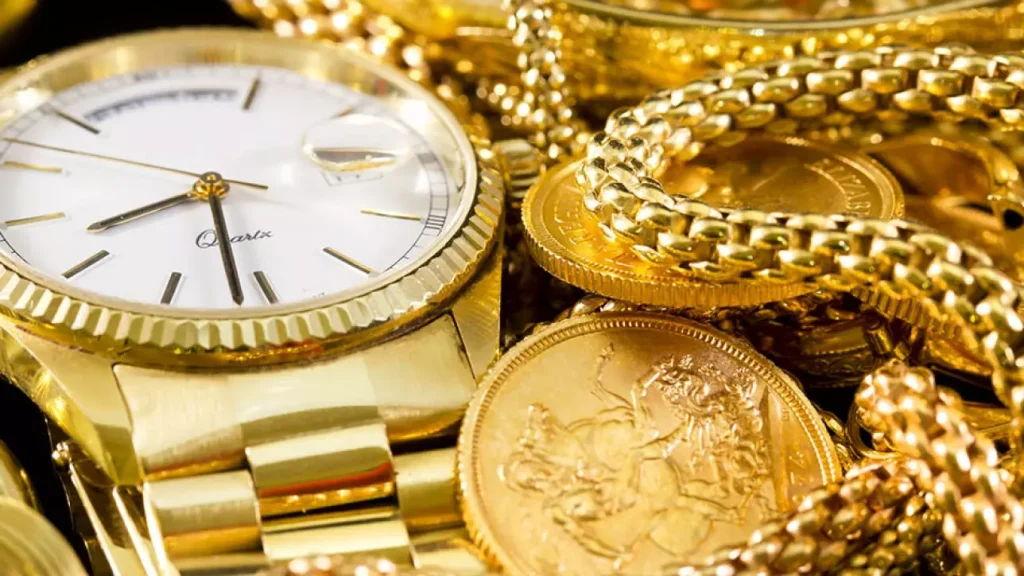
One of the most familiar uses of gold is making gold jewellery, including necklaces, bracelets and gold nugget earrings. Gold is also purchased in the form of gold bars and gold coins for investment and collection.
Beyond jewellery and bullion, manufacturers rely on gold for electrical contacts, connectors, specialist coatings and other components where reliable conductivity and corrosion resistance are essential.
Understanding what gold is used for means looking beyond its value as a precious metal. Its unique properties support applications across traditional craftsmanship, modern manufacturing, scientific research and emerging technologies
This guide explores the major uses of gold, explains why it is chosen for each application and examines its continuing importance in the modern world.
What is Gold Used for? Main Uses of Gold in Everyday Life and Industry
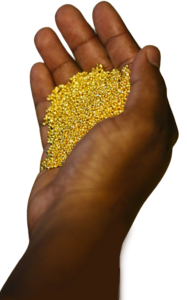
Gold has several important applications because it combines physical properties that are difficult to find together in other metals. It is highly malleable, conducts electricity efficiently, resists corrosion and can be worked into extremely thin sheets or fine wires.
1. Gold Uses in Jewellery Making
Jewellery is one of the largest uses of gold worldwide. Gold is fashioned into rings, necklaces, bracelets, earrings, wedding bands and other decorative accessories. Its natural lustre, resistance to tarnishing and ability to retain its appearance make it particularly suitable for jewellery production.
Gold jewellery also carries cultural, traditional and personal significance. In countries such as India and China, gold ornaments are commonly associated with weddings, festivals, family wealth and important celebrations.
Why gold is used in jewellery:
- Appearance: Its distinctive colour and lustre make gold desirable for decorative pieces.
- Malleability: Gold can be shaped into intricate designs, thin sheets and delicate components.
- Corrosion resistance: It does not rust like iron and generally retains its appearance over time.
- Versatility: It can be combined with other metals to create different colours, strengths and finishes.
Understanding Gold Karats and Jewellery Alloys
Pure gold is relatively soft, so jewellery manufacturers often combine it with other metals to improve durability and alter its appearance.
Common gold purities include:
- 24K gold: Generally refers to nearly pure gold, commonly available in 999 or 999.9 fineness.
- 22K gold: Contains approximately 91.67% gold and is popular for traditional jewellery.
- 18K gold: Contains 75% gold and is widely used for fine jewellery.
- 14K gold: Contains approximately 58.33% gold and offers greater hardness for everyday jewellery.
Different alloy combinations also produce different colours. Rose gold, for example, gets its pinkish appearance from copper in the alloy, while white gold is made using gold combined with white-coloured metals.
Learn more about 24K gold and 18K gold.
Sustainable Gold in Jewellery
Recycled gold and responsibly sourced gold are increasingly relevant to jewellery manufacturers and consumers concerned about the environmental and social impacts of mining.
Recycled gold can be recovered from old jewellery, electronic components and industrial materials. Certification schemes such as Fairmined provide standards for certain responsibly produced gold from eligible mining operations.
Buyers should check the origin and documentation of gold products rather than assuming that every item marketed as sustainable or ethical has independently verified credentials.
2. Gold as an Investment
Gold is widely purchased as a physical asset and held by individuals, financial institutions and central banks. Its limited natural supply, international market recognition and historical role as a store of value contribute to its importance in investment markets.
Gold investment takes several forms.
Physical Gold Bars and Bullion
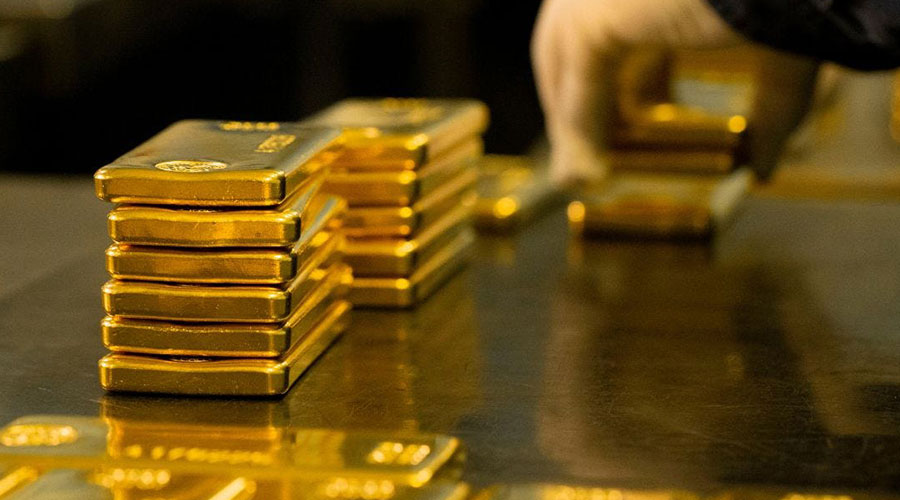
Gold bars are purchased by individuals, businesses and institutional investors seeking direct ownership of physical gold. They are produced in different weights and fineness levels, allowing buyers to select products according to their requirements.
Common investment products include:
- Gold bars measured in grams and kilograms.
- One-troy-ounce gold bars.
- Larger bullion bars used by institutional investors.
- Gold bullion coins produced by recognised mints.
Explore our guides to gold bars for sale and buying gold coins online.
Gold Exchange-Traded Funds and Mining Stocks
Investors can also gain exposure to gold through financial products without directly owning physical bullion.
Gold exchange-traded funds (ETFs) are designed to track gold prices or hold gold-related assets. Gold mining shares provide exposure to companies involved in gold exploration, production and processing, although their performance is also affected by operating costs, management decisions and wider stock market conditions.
These financial products are different from owning physical gold bars or coins.
Gold in Central Bank Reserves
Central banks hold gold as part of their official reserve assets. Gold can help diversify national reserves because it is not a liability issued by another government or financial institution.
Its international recognition and long history as a monetary asset explain why it continues to feature in national reserve strategies.
Why Do Investors Buy Gold?
Common reasons for holding gold include:
- Diversifying an investment portfolio.
- Holding a tangible asset.
- Maintaining exposure to an internationally traded commodity.
- Preserving purchasing power over long periods, although this is not guaranteed.
- Holding an asset that is not directly dependent on the performance of a single company.
Gold prices fluctuate, and physical gold also involves storage, security, insurance and transaction considerations. It should not be treated as an investment that guarantees profits or protects against every financial loss.
3. Gold in Electronics and Technology
Gold is an important material in electronics because it conducts electricity efficiently and resists corrosion. These properties make it useful in small electrical components where dependable connections are essential.
Although manufacturers generally use relatively small quantities of gold in individual devices, the metal is valuable in applications where electrical reliability matters.
Gold in Circuit Boards
Gold is used in selected parts of printed circuit boards (PCBs), including contact surfaces and connection points. Its corrosion resistance helps maintain reliable electrical contact in electronic equipment.
It can be found in applications involving:
- Computers and laptops.
- Smartphones and communication devices.
- Industrial control systems.
- Medical electronic equipment.
- Specialist electronic instruments.
Gold in Electrical Connectors and Contacts
Gold plating is used on certain connectors, switches and electrical contacts to help prevent corrosion and maintain consistent electrical performance.
Examples include selected contacts in computer components, communication equipment and precision electronic devices. Not every USB port, HDMI connector or SIM card component contains gold; its use depends on the product’s design and specifications.
Gold in Semiconductor Manufacturing
Gold has specialised applications in semiconductor packaging and electronic manufacturing. It can be used in certain bonding wires, contacts and connection systems.
Its use depends on the device, manufacturing process and performance requirements. Other materials are also widely used in modern semiconductor production.
4. Gold in Aerospace and Space Technology
Gold is useful in aerospace applications because it resists corrosion and can reflect infrared radiation. These properties make it suitable for specialised protective coatings and components used in spacecraft and satellites.
Some spacecraft use thin gold coatings or gold-coloured multilayer insulation to help manage heat and protect sensitive equipment from demanding environmental conditions.
Gold also has applications in selected electrical contacts and electronic systems where reliability is important.
Its role in aerospace demonstrates that gold is not only a decorative or investment metal. Its physical properties also support specialised engineering applications.
5. Gold in Medicine and Healthcare
Gold has several applications in healthcare, particularly in medical devices, dental restorations, diagnostics and scientific research. Its chemical stability and compatibility with biological tissues make it useful in selected medical applications.
Gold in Medical Diagnostics
Gold nanoparticles are being researched and used in certain diagnostic technologies. Their optical properties allow them to interact with light in ways that can help identify specific biological substances.
One example is the use of gold nanoparticles in lateral-flow diagnostic tests, including some rapid testing technologies.
Researchers are also investigating gold-based nanomaterials for biosensors, imaging and other diagnostic applications.
Gold in Cancer Research and Treatment
Gold nanoparticles are being studied for potential applications in cancer detection, targeted drug delivery and photothermal therapy.
In photothermal research, gold nanoparticles can absorb light and convert it into heat, which may help damage targeted cells under controlled conditions.
However, many of these applications remain under investigation or are limited to specific research and clinical contexts. Gold nanoparticles should not be presented as a routine or universally approved cancer treatment.
Gold in Dental Applications
Gold alloys have a long history in dentistry. They are used in certain crowns, bridges, inlays and other dental restorations because they are durable, corrosion-resistant and generally well tolerated by oral tissues.
Although modern ceramic and composite materials are widely used, gold alloys remain an option in selected dental procedures.
Gold in Medicines
Certain gold-based compounds have historically been used to treat rheumatoid arthritis and other inflammatory conditions. These medicines are known as gold salts.
Their use has declined significantly because newer treatments are available and can offer different safety and effectiveness profiles. Gold compounds also continue to be investigated in pharmaceutical research.
6. Gold in Glassmaking and Architecture
Gold has specialised applications in glass production and architectural materials.
Ruby-Coloured Glass
Gold compounds can be added during glassmaking to produce ruby-red glass. This effect is associated with tiny gold particles dispersed within the glass, which interact with light to create the characteristic colour.
Gold ruby glass is used in decorative objects, ornaments and specialist artistic glasswork.
Gold Coatings in Architectural Glass
Thin metallic coatings can be applied to glass to change how it reflects and transmits heat and light. Gold has been used in some specialised architectural glazing applications because of its infrared-reflective properties.
However, modern energy-efficient windows commonly use other coating materials, including silver-based layers. Gold is not the standard coating in all reflective or insulated windows.
7. Gold in Awards, Art and Decoration
Gold is associated with achievement, prestige and excellence. Its distinctive appearance makes it a popular material for medals, trophies, ornaments and decorative finishes.
Gold in Medals and Trophies
Gold is used in certain awards and sporting medals, although many modern gold-coloured medals are made from other metals with a gold coating.
The Olympic gold medal, for example, is primarily made from silver and finished with a layer of gold.
Gold Leaf in Art and Decoration
Gold leaf consists of extremely thin sheets of gold that can be applied to different surfaces. Artists and craftsmen use it to decorate:
- Picture frames and furniture.
- Religious buildings and artefacts.
- Sculptures and decorative objects.
- Architectural details.
- Paintings and artistic designs.
Gold leaf is valued because it creates a distinctive metallic finish that does not easily tarnish.
8. Gold in Currency and International Trade
Gold has played an important role in monetary systems throughout history. Ancient civilisations used gold objects and coins in trade, while later monetary systems linked the value of certain currencies to gold.
The gold standard was eventually abandoned by most countries, and modern currencies are generally not directly redeemable for gold.
Nevertheless, gold remains relevant to international finance. It is traded in global markets, held in central bank reserves and used by investors seeking exposure to a physical commodity.
Gold coins also continue to serve as collectible and bullion products.
9. Gold in Renewable Energy and Environmental Technology
Gold has specialised applications in some renewable energy and environmental technologies, particularly where conductivity, chemical stability or catalytic properties are useful.
Gold in Solar Technology
Gold can be used in selected research and specialised photovoltaic applications, including electrical contacts and thin-film materials.
However, it is not a standard or dominant material in conventional commercial solar panels. Most solar technologies rely on materials such as silicon, silver, copper and other specialised compounds.
Gold in Fuel Cells and Catalysis
Gold nanoparticles and gold-based catalysts are being studied for chemical reactions relevant to energy conversion, fuel cells and pollution control.
Their catalytic behaviour can differ significantly depending on particle size, structure and the materials with which gold is combined.
Some applications remain at the research or development stage.
Gold in Environmental Sensors
Gold nanoparticles can interact with specific chemical and biological substances. Researchers use these properties to develop sensors that may help detect pollutants and monitor environmental conditions.
These technologies have potential applications in water-quality monitoring, chemical detection and environmental research.
10. Gold in Nanotechnology and Scientific Research
Nanotechnology involves working with materials at extremely small scales. Gold is particularly useful in this field because its behaviour can change when it is produced as nanoparticles.
Gold nanoparticles have optical, chemical and surface properties that make them useful in several areas of scientific research.
Applications include:
- Biosensors: Detecting selected biological substances.
- Medical diagnostics: Supporting certain rapid testing and detection technologies.
- Drug delivery research: Investigating ways to transport therapeutic compounds to specific locations in the body.
- Chemical sensors: Detecting selected gases and chemical compounds.
- Advanced materials: Developing new coatings and specialised nanomaterials.
Gold nanotechnology is an active research field, although not every experimental application is commercially available or approved for routine use.
Environmental and Ethical Considerations in Gold Production
Gold mining and processing can have environmental and social impacts. Depending on the mining method and local controls, these may include land disturbance, water pollution, habitat loss and exposure to hazardous chemicals.
Responsible gold production therefore involves more than the metal’s final purity or market value.
Sustainable Gold Mining
Responsible mining practices aim to reduce environmental damage, improve working conditions and promote traceability throughout the supply chain.
Certification initiatives, including Fairmined, establish standards for eligible mining operations. Buyers should verify the scope of any certification and the specific gold product it covers.
Gold Recycling
Gold can be recovered from old jewellery, electronic waste, dental materials and industrial components.
Recycling helps return existing gold to productive use and can reduce the need for additional mining. However, recovery processes require appropriate equipment and environmental controls, particularly when handling electronic waste.
Recycled gold is also used in jewellery and other manufacturing applications.
Why Gold Is Used Across So Many Industries
Gold’s versatility comes from the combination of its physical, chemical and electrical properties.
| Property of gold | Why it matters | Common applications |
|---|---|---|
| Malleability | Can be shaped and formed into thin sheets | Jewellery and gold leaf |
| Corrosion resistance | Resists rust and many forms of chemical deterioration | Jewellery and electrical contacts |
| Electrical conductivity | Supports reliable electrical connections | Electronics and specialist equipment |
| Chemical stability | Maintains its properties in many environments | Dentistry and scientific equipment |
| Infrared reflectivity | Reflects certain forms of heat radiation | Spacecraft coatings and specialist glazing |
| Biocompatibility | Suitable for selected applications involving body tissues | Dental restorations and medical research |
These properties explain why gold remains valuable in traditional crafts, investment markets, manufacturing and scientific development.
Frequently Asked Questions About the Uses of Gold
What is gold mainly used for?
Gold is mainly used in jewellery, investment products, electronics, central bank reserves, dentistry and specialised industrial applications. Jewellery and investment are particularly important sources of global gold demand.
What is gold used for in everyday life?
Gold is used in jewellery, smartphones, computers, electrical connectors, selected medical devices and dental restorations. It is also held in the form of gold bars and coins.
Why is gold used in electronics?
Gold conducts electricity efficiently and resists corrosion. These properties make it useful in selected connectors, contacts, circuit boards and semiconductor packaging.
Is gold used in medicine?
Yes. Gold has applications in certain diagnostic tests, dental restorations and medical research. Gold nanoparticles are also being studied for cancer diagnostics, targeted drug delivery and other potential medical applications.
Why is gold used in jewellery?
Gold is valued in jewellery because of its natural appearance, malleability, resistance to corrosion and ability to be combined with other metals to produce different colours and levels of hardness.
Is gold used in solar panels?
Gold has specialised uses in some photovoltaic research and applications, but it is not a standard or dominant material in conventional commercial solar panels.
Is gold still used as money?
Modern currencies are generally not backed by gold. However, gold continues to be traded internationally, held by central banks as a reserve asset and purchased as bullion coins and bars.
Can gold be recycled?
Yes. Gold can be recovered from jewellery, electronic waste, dental materials and industrial components. Recycled gold can then be refined and reused in manufacturing.
Conclusion: Why Gold Remains an Important Metal
Gold is used in far more than jewellery and investment. Its unique properties make it valuable in electronics, dentistry, aerospace, medical diagnostics, scientific research, decorative arts and specialised industrial applications.
Its resistance to corrosion, malleability and electrical conductivity help explain why it continues to serve so many different purposes.
Whether it is being fashioned into jewellery, incorporated into electronic components or refined into investment bullion, gold remains an important material in modern society.
If you are interested in owning physical gold, explore our guides to gold bars for sale, gold coins and buying physical gold online. For more information about our company and gold-related enquiries, visit Buy Gold Bars Africa Ltd.