Where to Buy Gold in West Africa:Major Gold-Sourcing Locations
West Africa ranks among the most significant gold-producing regions on Earth, home to some of the continent’s largest mines and a deep, centuries-long mining tradition.
For buyers looking at where to buy gold in West Africa, understanding the landscape matters — there’s a real difference between buying directly from a mine, sourcing through a licensed exporter, working with a refiner, or purchasing from a local dealer, and each route carries its own risk profile and documentation requirements.
Before making any purchase in this region, verifying licenses, export documentation, and responsible sourcing practices isn’t optional — it’s the single biggest factor separating a safe, legitimate transaction from a costly mistake. This guide walks through the region’s major gold markets, what’s available, and exactly how to buy gold safely from West Africa.
Why Buy Gold in West Africa?
West Africa’s appeal to gold buyers comes down to a few consistent factors. The region holds genuinely large gold reserves and a long history of both industrial and artisanal mining, meaning supply is diverse and well established rather than speculative.
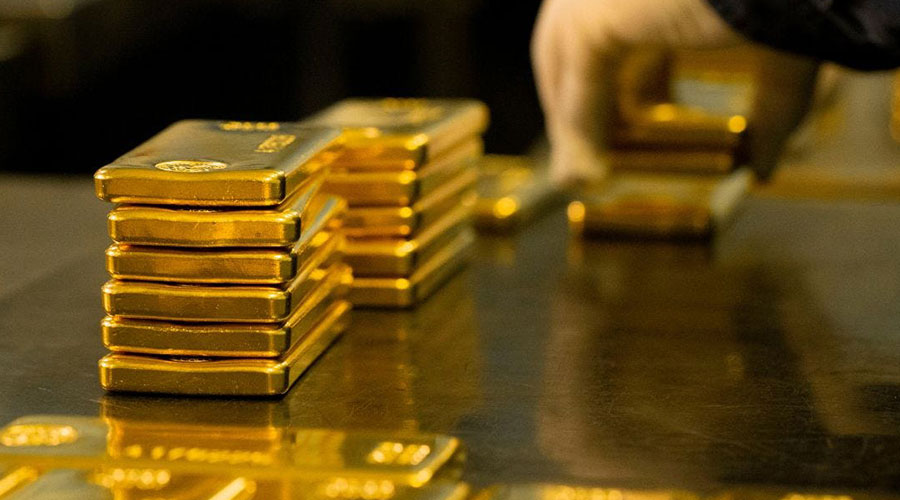
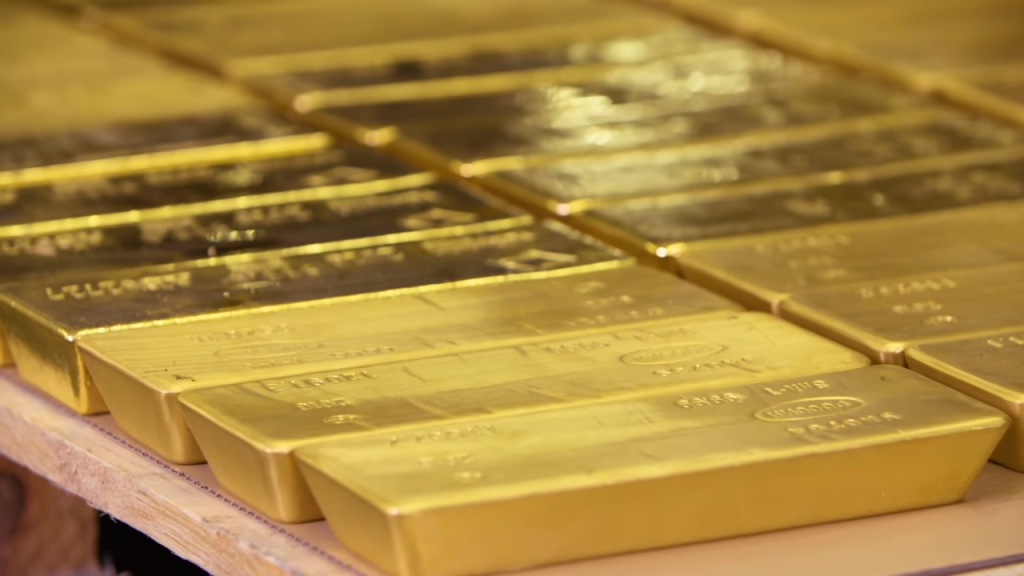
Buyers can access a full range of product types — gold bars, doré bars, nuggets, and gold dust — depending on their specific investment or industrial needs.
Pricing in West Africa is often competitive relative to retail-heavy international markets, since direct sourcing closer to the mine removes several layers of intermediary cost.
The region’s mining sector also continues to attract growing international investment, with several countries actively expanding formal, regulated mining infrastructure — a trend that’s steadily improving documentation and traceability standards across the board.
Major Gold-Sourcing Locations in West Africa
| Country | Main Gold-Producing Areas | Common Gold Products |
|---|---|---|
| Ghana | Ashanti, Western, Upper East | Gold bars, doré bars |
| Mali | Kayes, Sikasso | Gold bars, doré |
| Burkina Faso | Houndé, Essakane region | Doré bars |
| Côte d’Ivoire | Tongon, Ity | Gold bars |
| Guinea | Siguiri, Kankan | Gold bars and nuggets |
| Senegal | Kédougou | Gold bars |
Ghana: West Africa’s Leading Gold Market
Ghana holds the position of one of Africa’s largest gold producers, and its mining sector blends major large-scale operations with a substantial small-scale mining industry.
The country’s Ashanti region has produced gold for generations, while the Western region hosts several of the country’s biggest industrial mines. Ghana’s government maintains a relatively well-developed regulatory framework for licensed gold exporters, and its Minerals Commission oversees mining licensing and export compliance.
International buyers frequently source from Ghana specifically because of this regulatory maturity — licensed exporters here are generally easier to verify than in markets with less-developed oversight, and the country’s long mining history means documentation practices and assay infrastructure are relatively well established compared to some regional neighbors.
Mali’s Gold Industry
Mali is one of West Africa’s most significant gold producers, with major mining activity concentrated around the Kayes and Sikasso regions, home to some of the country’s largest industrial mines alongside a substantial artisanal mining sector. Gold remains one of Mali’s top export earners, and licensed exporters play a central role in moving that gold into international markets through properly documented channels.
Buyers considering Mali should factor in real security and due diligence considerations specific to the region. Parts of Mali have experienced ongoing instability in recent years, and the broader Sahel region has documented challenges around informal, cross-border gold flows that bypass official export channels.
This makes working exclusively with licensed, verifiable exporters — rather than informal sellers — especially important here, and buyers should expect (and insist on) more thorough documentation checks than might be typical in more stable markets.
Burkina Faso Gold Market
Burkina Faso has developed into a significant gold producer, with major mining activity around the Houndé and Essakane regions. The country’s mining industry includes both formal industrial operations and artisanal mining, and gold has become an increasingly important part of the national economy.
As with Mali, Burkina Faso’s broader security situation in parts of the country warrants real caution and extra due diligence from international buyers.
Export procedures exist and licensed channels operate, but verifying a supplier’s documentation, licensing status, and sourcing chain matters more here than in more stable regional markets — buyers should treat thorough verification as a baseline requirement rather than an optional extra.
Côte d’Ivoire Gold Industry
Côte d’Ivoire’s gold mining sector has expanded significantly in recent years, with major operations around the Tongon and Ity areas drawing real international mining investment.
The country’s relative political and economic stability compared to some regional neighbors has made it an increasingly attractive destination for formal mining investment, with a growing export framework supporting licensed gold sales.
Gold availability in Côte d’Ivoire spans both large-scale industrial output and smaller-scale production, giving international buyers reasonable flexibility in sourcing depending on volume needs.
Guinea Gold Market
Guinea holds substantial gold reserves, particularly concentrated around the Siguiri and Kankan regions, and its mining sector includes both significant industrial operations and widespread artisanal activity.
Export requirements for gold leaving Guinea involve licensing and documentation similar to other regional producers, and responsible sourcing verification matters particularly given the scale of artisanal production in the country.
Buyers sourcing gold nuggets or dust from Guinea should place extra weight on independent assay verification, since artisanal-origin gold generally requires more thorough purity and provenance checks before it’s considered fully investment-grade.
Types of Gold Available in West Africa
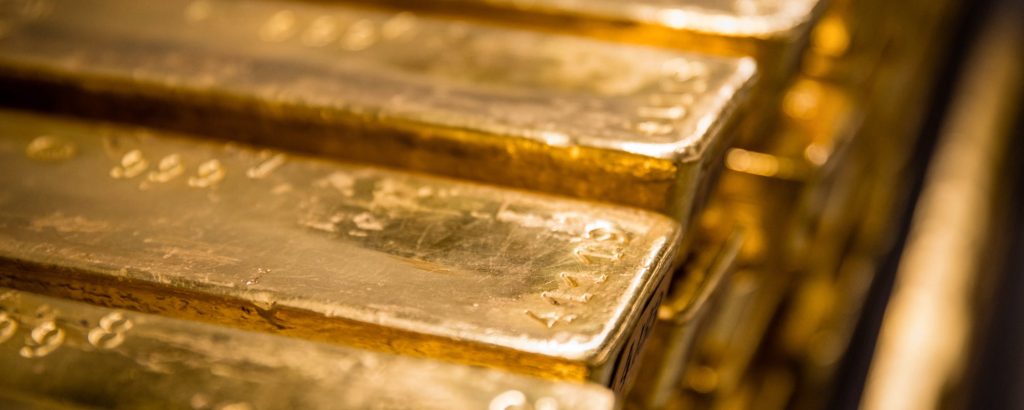
Gold bars — investment-grade, refined bullion available across a range of standard weights, typically the most straightforward product for buyers wanting immediately tradeable, high-purity gold.
Doré bars — semi-refined gold produced directly at mine sites, usually requiring further professional refining before reaching full investment-grade purity. Doré remains common across West Africa’s mining regions and can offer genuine value for buyers equipped to handle further refining.
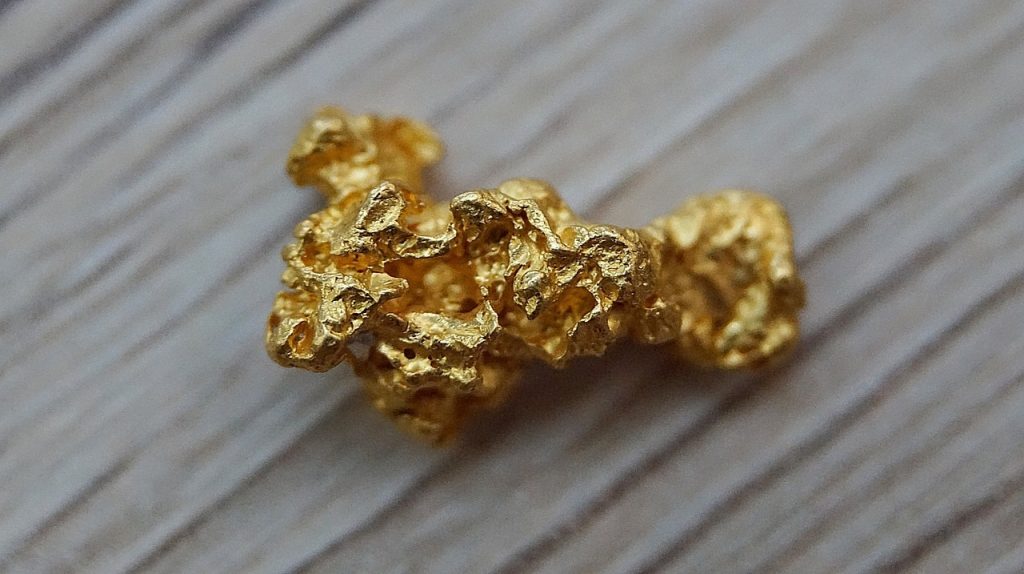
Gold nuggets — naturally occurring gold, popular among collectors and refiners alike, valued both for gold content and, in some cases, natural form.
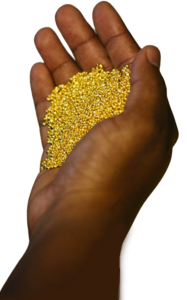
Gold dust — produced during both artisanal and industrial mining, requiring careful testing and verification given the variability in purity across different sources.
Who Can Buy Gold in West Africa?
West Africa’s gold market serves a genuinely broad range of buyers: individual investors purchasing bars or dust for personal wealth preservation, bullion dealers sourcing inventory for resale, jewelry manufacturers buying raw material for production, precious metal refiners purchasing doré and dust for further processing, and institutional buyers acquiring gold at scale for banking or investment purposes.
Each buyer type typically has different documentation and volume needs, but the core verification principles apply across the board regardless of purchase size.
How to Verify a Gold Supplier
Before finalizing any purchase in West Africa’s gold market, work through this verification checklist:
- Business registration — confirm the supplier is a properly registered legal entity in its country of operation
- Precious metals trading license — verify current, valid licensing with the relevant national mining or minerals authority
- Export authorization — where required, confirm the supplier holds valid export permits for the specific gold products being sold
- Independent assay report — insist on purity and weight verification from a recognized, independent lab
- Certificate of origin — where applicable, confirm documentation tracing the gold back to a legitimate mining source
- Export documentation — review shipping, customs, and compliance paperwork before committing to purchase
- References and transaction history — ask for verifiable past transaction references, particularly for larger purchases
- Third-party inspection — for significant quantities, arrange independent, on-site inspection before finalizing payment.
West Africa Gold Export Requirements
Exporting gold legally from any West African country generally involves several layers of documentation: export permits issued by the relevant national authority, customs declarations at the point of export, applicable tax obligations (which vary meaningfully by country and should be confirmed with current local regulations rather than assumed), full shipping and logistics documentation, and compliance with the import requirements of the destination country.
International anti-money laundering (AML) and know-your-customer (KYC) requirements also apply to most cross-border gold transactions of meaningful size, meaning buyers should expect — and cooperate with — identity verification and transaction documentation from any properly compliant exporter.
Because specific export rules and tax rates change and vary significantly by country, always confirm current requirements directly with the exporter or relevant authority rather than relying on general guidance alone.
How Gold Prices Are Determined in West Africa
Gold pricing in West Africa follows the same fundamentals as anywhere else in the world, starting with the international spot price — the benchmark rate per troy ounce set on global exchanges.
From there, a specific bar or parcel’s price depends on its purity (24K trading closest to full spot value, with 22K and lower purities priced proportionally down) and its exact weight.
On top of the base gold value, buyers should expect additional costs layered in: refining costs (particularly relevant for doré or dust requiring further purification), dealer premiums covering certification and handling, transportation costs for physical delivery, and insurance for secure, insured shipping of valuable gold shipments.
Understanding this full cost structure helps buyers evaluate whether a quoted price genuinely reflects fair market value or carries an unusual, potentially concerning markup.
Risks When Buying Gold in West Africa
Buyers should go in aware of several genuine risks present in this market: fraudulent sellers operating without real licensing, fake or forged assay reports misrepresenting purity, underweight bars that don’t match their stamped weight, unlicensed exporters operating outside proper regulatory channels, gold moved through smuggling routes that bypass legitimate export documentation, advance-fee scams requesting payment before any verifiable transaction occurs, and unclear ownership or provenance that could create legal complications down the line.
These risks are real, but they’re also largely manageable through proper verification. Working exclusively with licensed, well-documented suppliers, insisting on independent assay reports before payment, and treating any deal that seems unusually cheap or urgent with real skepticism dramatically reduces exposure to each of these risks.
Important Safety and Buying Tips of Gold in West Africa
FAQs About Where to Buy Gold in West Africa
Which country in West Africa has the most gold? Ghana currently holds the position as the region’s — and the continent’s — largest gold producer, though Mali, Burkina Faso, and Côte d’Ivoire all contribute significant production as well.
Is it legal to buy gold in West Africa? Yes, provided the transaction goes through a properly licensed supplier with valid export documentation. Buying from unlicensed or unverified sellers carries real legal and financial risk.
Can foreigners buy gold in Ghana? Yes — international buyers regularly purchase gold from licensed Ghanaian exporters, though proper export documentation and compliance with both Ghanaian and destination-country import rules is required.
What is a doré gold bar? A doré bar is semi-refined gold produced directly at a mine site, typically containing gold mixed with silver, copper, and other trace metals, requiring further professional refining before reaching investment-grade purity.
How can I verify a gold supplier? Confirm business registration, precious metals trading licensing, export authorization, and request an independent assay report along with verifiable transaction references before purchasing.
What documents are needed to export gold? Typically an export permit, customs declaration, certificate of origin where applicable, and compliance documentation satisfying both the exporting country’s regulations and the destination country’s import requirements.
Is gold cheaper in West Africa? Gold sourced directly from West African producers can carry lower premiums than retail-heavy international markets, since direct sourcing removes several layers of intermediary cost — though the underlying gold value itself always tracks the same international spot price everywhere.
Buy Gold From West Africa Safely, With Full Documentation
Sourcing gold from West Africa offers genuine opportunity — competitive pricing, direct access to some of the world’s most significant gold-producing regions, and a wide range of product types from refined bars to raw doré. But that opportunity depends entirely on working with a supplier who can back every transaction with real, verifiable documentation.
Buy Gold Bars Africa Ltd sources gold directly from licensed producers across West Africa and the wider continent, backing every transaction with independent assay certification and full export documentation — whether you’re buying 24K gold bars, gold ingots, gold nuggets, or gold dust. Contact us today to buy West African gold safely, with documentation you can actually verify at every step.
Related Pages
- 24K Gold Bars
- 22K Gold Bars
- 1 oz Gold Bar
- Gold Ingots for Sale
- Gold Dust & Doré
- Gold Nuggets & Bullion
- Buy Physical Gold Online
- Gold for Sale in Kampala, Uganda
- Where to Buy Gold in South Africa
- Buy Gold in Tanzania
- Buy Gold in Dubai
- South Africa Gold Export Licence
- Shipping Gold to the USA from Africa
- How to Buy Gold Bars from Africa Safely
- Legal Requirements for Buying Gold Bars from Africa
- FAQs
- About Us