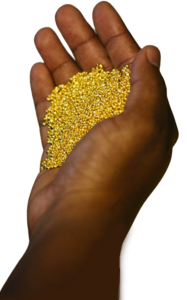
The African Gold Market: Top Guide to Africa’s Most Valuable Commodity
African gold market: Explore Africa’s gold market, top gold-producing countries, prices, suppliers, trade trends, and how to buy gold safely across Africa today.
Africa is the beating heart of the global gold industry. The continent sits atop some of the world’s largest gold deposits and has been a primary source of the world’s gold supply for centuries.
From the ancient Kingdom of Mali’s legendary wealth to South Africa’s sprawling Witwatersrand Basin, African gold has shaped global economies, financed empires, and underpinned international monetary systems.
Today, the African gold market is a multi-billion-dollar ecosystem that spans artisanal miners sifting river sediments with handheld pans, multinational corporations operating some of the world’s deepest mines, commodities exchanges, central banks, and export corridors that feed refineries in Switzerland, the UAE, and beyond.
Understanding this market — its geography, its players, its risks, and its enormous potential — is essential for investors, policymakers, traders, and development practitioners alike.
Africa holds an estimated 40% of the world’s gold reserves, yet captures a fraction of the value its gold generates globally.
1. Africa’s Gold Reserves and Geography
When asking where is gold found in Africa, the answer spans the continent from north to south and east to west. The African continent hosts a diverse range of geological formations that have produced gold deposits over billions of years.
Major Gold-Producing Countries in Africa
Ghana — West Africa’s Gold Powerhouse
Ghana is consistently ranked as Africa’s top gold producer and typically places among the top ten globally. Known historically as the Gold Coast, Ghana’s gold mining sector produced over 4 million ounces in recent years.
The country’s Ashanti Gold Belt — one of the richest gold-bearing geological formations in the world — runs through the center of the country and hosts several world-class mines including Obuasi, Akyem, and Chirano.
Ghana’s gold exports account for roughly 48% of the country’s total merchandise export revenue, underscoring just how central gold mining in Ghana is to its national economy.
The Ghana Gold Board (GOLDBOD), established in 2024, now handles gold aggregation and export, replacing the previous Ghana Minerals Commission framework for domestic gold purchasing. Buy Gold in Ghana!
South Africa — The Historical Giant
For most of the 20th century, South Africa was the world’s largest gold producer. The Witwatersrand Basin, discovered in 1886, triggered one of history’s greatest gold rushes and gave birth to Johannesburg.
Although South Africa’s production has declined sharply from its peak of 1,000 tonnes per year due to ageing mines, falling ore grades, rising costs, and labor unrest, the country still produces hundreds of tonnes annually.
South Africa remains critical to the global gold market not just for its output but for its institutional infrastructure — the Johannesburg Stock Exchange (JSE) lists major gold mining companies, and South African firms like Gold Fields and AngloGold Ashanti are among the world’s largest gold producers. Buy Gold in South Africa!
Mali — A Rising Star in African Gold Mining
Mali is West Africa’s second-largest gold producer and one of the fastest-growing gold mining destinations on the continent. Mines like Loulo-Gounkoto (operated by Barrick Gold) and Fekola (operated by B2Gold) are among the most productive on the continent. Gold contributes approximately 70–80% of Mali’s export revenue, making it the nation’s economic lifeline.
However, political instability following a series of military coups has introduced significant uncertainty into gold mining in Mali, with foreign mining companies navigating complex new regulatory demands from the junta government. Buy Gold in Mali!
Tanzania — East Africa’s Gold Hub
Tanzania is East Africa’s leading gold producer, with significant production from mines in the Lake Victoria Goldfields. The Geita Gold Mine, operated by AngloGold Ashanti, is among Africa’s largest and highest-grade gold deposits.
Tanzania’s government has in recent years sought to renegotiate mining contracts and increase state participation in the sector, a trend common across sub-Saharan African gold producers. Buy Gold in Tanzania!
Other Key Producers
Burkina Faso, Guinea, Côte d’Ivoire, Senegal, DRC, Zimbabwe, Sudan, Ethiopia, and Mauritania all have significant and growing gold mining industries.
Burkina Faso in particular has seen rapid expansion of its artisanal and small-scale gold mining (ASM) sector, though security concerns have disrupted large-scale operations.
2. Africa’s Artisanal and Small-Scale Gold Mining (ASM) Sector
One of the most defining — and often misunderstood — features of African gold production is the enormous role of artisanal and small-scale gold mining (ASM). Across the continent, an estimated 6 to 10 million people are directly employed in ASM, with a further 15–20 million people depending on it indirectly for their livelihoods.
What Is Artisanal Gold Mining in Africa?
Artisanal gold mining refers to informal, low-technology gold extraction carried out by individuals, families, or small cooperatives, often without formal mining licenses. In Africa, these miners — locally called orpailleurs in French-speaking countries, galamsey in Ghana, or zama zamas in South Africa — use methods ranging from simple panning and sluicing to mercury amalgamation.
ASM gold production in Africa is significant in volume. Estimates suggest artisanal miners collectively produce anywhere from 300 to 600 tonnes of gold annually across the continent — a figure that rivals or exceeds the output of several large industrial mines. Much of this gold enters informal or illicit trade channels, making accurate accounting difficult.
The Mercury Problem and Environmental Impact of ASM
A critical issue in African artisanal gold mining is the widespread use of mercury to amalgamate gold from ore. Mercury amalgamation is cheap and effective but extraordinarily toxic.
The Minamata Convention on Mercury, which most African countries have signed, seeks to phase out mercury use in ASM, but progress is slow due to limited access to alternative technologies and training.
Environmental degradation from ASM includes deforestation, river contamination, destruction of agricultural land, and loss of biodiversity. In Ghana, the galamsey crisis has contaminated major water bodies including the Pra and Offin rivers, threatening water security for millions.
Formalizing ASM in Africa
Governments across Africa are increasingly recognizing that formalizing ASM — bringing miners into a regulated, licensed, and taxed framework — is both economically and environmentally advantageous.
Countries like Ghana, Senegal, and Burkina Faso have developed ASM formalization programs, though implementation remains challenging due to resource constraints, corruption, and the sheer scale of informal activity.
Formalizing ASM in Africa could unlock billions in tax revenues and help integrate millions of miners into the formal financial system.
3. Large-Scale Gold Mining in Africa: The Major Players
Alongside the vast informal sector, Africa’s gold industry is also home to some of the world’s largest mining corporations. These companies bring capital, technology, and institutional capacity but also face criticism over tax practices, community relations, and environmental management.
Major Gold Mining Companies Operating in Africa
- Barrick Gold (Canada) — Operates Loulo-Gounkoto (Mali), Kibali (DRC), and North Mara (Tanzania). One of the world’s largest gold producers with deep African exposure.
- AngloGold Ashanti (South Africa/USA) — Mines at Geita (Tanzania), Obuasi (Ghana), and Kibali (DRC). A historically South African company that recently shifted its primary listing to the NYSE.
- Gold Fields (South Africa) — Operates Damang and Tarkwa in Ghana, among its global portfolio.
- B2Gold (Canada) — Fekola mine in Mali is one of its flagship operations, one of the largest gold mines in West Africa.
- Endeavour Mining (UK/Canada) — A pan-African gold producer with operations in West Africa including Côte d’Ivoire, Senegal, Guinea, Burkina Faso, and Mali.
- Resolute Mining (Australia) — Operates Syama in Mali and Mako in Senegal.
Gold Mining Royalties and Taxes in Africa
Gold mining taxation in Africa is a contentious and evolving issue. Most African governments levy a combination of royalties (typically 3–10% of the value of gold produced), corporate income tax, and various levies.
In recent years, resource nationalism — the trend of governments seeking a larger share of mining revenues — has intensified, particularly in West Africa.
Guinea’s 2022 mining code revision, Mali’s renegotiation demands with Barrick Gold and B2Gold, and Tanzania’s imposition of export levies in 2017 are all examples of this trend. While understandable from a development finance perspective, abrupt regulatory changes increase political risk and can deter future investment.
4. Gold Trading in Africa: From Mine to Market
Understanding how African gold moves from the ground to global markets is essential for anyone interested in the African gold trade. The gold supply chain in Africa is complex, multi-layered, and often opaque.
 .
.
The African Gold Supply Chain
At the base of the supply chain are the miners — artisanal or industrial — who extract raw gold ore. This ore is processed into doré bars (unrefined gold-silver alloy) at mine sites or nearby refineries.
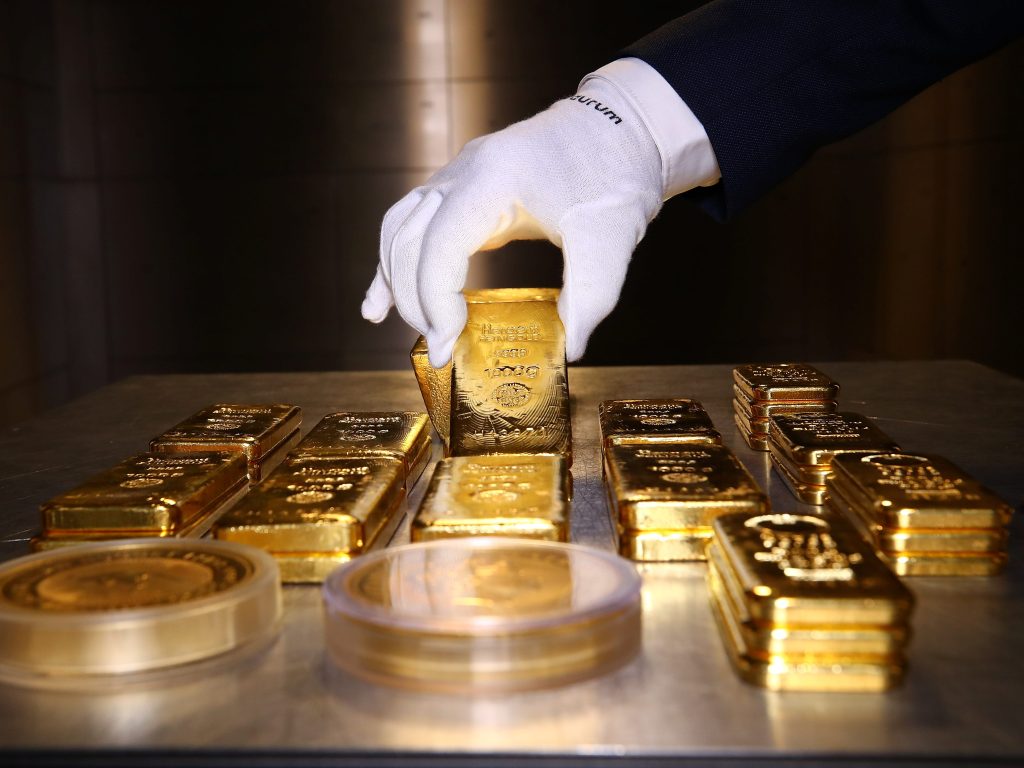
Doré is then exported to international refineries — primarily in Switzerland (Valcambi, Argor-Heraeus, PAMP), the UAE (Kaloti, Emirates Gold), and India — where it is refined to 99.5%+ purity and sold into jewellery manufacturing, investment product fabrication, or central bank reserves.
Gold Smuggling and Illicit Flows from Africa
One of the most significant challenges in the African gold market is the scale of illicit gold flows. Studies by the Africa Centre for Energy Policy, the Basel Institute on Governance, and various UN bodies suggest that hundreds of tonnes of gold — worth billions of dollars — leave the continent annually through informal or illegal channels, depriving producing countries of tax revenue and distorting trade statistics.
The UAE, and Dubai in particular, has been frequently cited as a major destination for informally exported African gold. Gold enters Dubai from countries like Sudan, Uganda, Tanzania, DRC, and Cameroon, often with fraudulent or missing documentation. From Dubai, this gold enters the formal global gold market.
Efforts to combat gold smuggling in Africa include export monitoring systems, the implementation of the OECD Due Diligence Guidance for Responsible Mineral Supply Chains, and bilateral agreements between African governments and import countries.
The London Bullion Market Association (LBMA) Responsible Gold Programme also applies pressure on refiners to verify the provenance of their gold feedstock.
African Gold Refineries
Africa has historically suffered from a lack of refining capacity, meaning most of its gold is exported as unrefined doré, with the value-added refining happening elsewhere. This represents a significant loss of economic value.
However, this is beginning to change. Several new or expanded refineries have come online or are planned:
- Rand Refinery (South Africa) — One of the largest gold refineries in the world, processing South African and some regional production.
- Uganda Refinery (Africa Gold Refinery) — Launched in 2017 in Entebbe, it has the capacity to process up to 5 tonnes per day.
- Asahi Refining (Ghana) — A new refinery that aims to process Ghanaian ASM and industrial gold locally.
- Tanzania Refinery — Various feasibility studies have explored establishing refining capacity in-country.
Retaining gold refining in Africa would allow countries to capture more value from their natural resources — a key pillar of the African Union’s Africa Mining Vision.
If Africa refined all its own gold before export, it could add billions in GDP and create thousands of skilled jobs annually.
5. Gold Prices in Africa and the Global Gold Price Relationship
A common question from investors and traders is: what is the gold price in Africa? The answer is that African gold prices are ultimately tied to the international gold price — denominated in USD — as set by the London Bullion Market Association (LBMA) Gold Price Fix and traded on the COMEX futures exchange in New York.
How the International Gold Price Affects African Producers
When the global gold price rises, African gold mining companies earn higher revenues per ounce, improving profitability and encouraging investment in new production.
Conversely, when prices fall, high-cost mines — many of which are deep South African operations or artisanal mines with significant input costs — become uneconomic and may suspend operations.
The gold price is also a critical determinant of government revenue from royalties and taxes, foreign exchange earnings for gold-exporting nations, and the livelihoods of millions of artisanal miners.
For a country like Mali or Burkina Faso, where gold comprises the majority of export revenue, swings in the gold price have macroeconomic implications.
Currency Risk and Gold in Africa
While gold is priced globally in USD, African miners and governments often face significant currency risk. If the Ghanaian cedi, Tanzanian shilling, or South African rand depreciates against the dollar, the local currency revenue from gold exports rises even if the dollar price is flat — which can be a beneficial cushion. However, the reverse is also possible if local currencies appreciate.
Gold as a Store of Value in African Economies
Beyond the formal mining and trading sector, gold plays an important cultural and economic role as a store of value for ordinary African households.
In West Africa in particular, gold jewelry — particularly 18–24 karat gold — is a traditional form of wealth storage, dowry, and savings. This demand for gold in Africa from the retail and jewellery market adds another dimension to the continent’s relationship with the metal.
6. Investing in African Gold: Opportunities and Risks
For international and local investors, the question of how to invest in African gold covers a range of options, each with distinct risk-return profiles.
Investing in African Gold Mining Stocks
The most accessible route for most investors is to buy shares in gold mining companies with significant African operations. These include the major producers listed earlier (Barrick, AngloGold Ashanti, Gold Fields, Endeavour Mining) as well as a range of mid-tier and junior mining companies listed on the Toronto Stock Exchange (TSX-V), Australian Securities Exchange (ASX), London Stock Exchange (AIM), and the Johannesburg Stock Exchange (JSE).
Junior mining stocks in Africa offer the potential for significant returns if exploration programs discover new deposits, but they also carry high risk, including exploration failure, permitting difficulties, financing risk, and political risk.
Gold ETFs and Africa
Exchange-traded funds (ETFs) that track the gold price — such as the SPDR Gold Shares (GLD) or iShares Gold Trust (IAU) — provide indirect exposure to African gold production without the specific country or company risk. Some specialist ETFs focus specifically on African mining companies.
Direct Gold Purchase in African Markets
In some African countries, it is possible for businesses or high-net-worth individuals to purchase gold directly from licensed dealers, ASM aggregators, or government bodies. Ghana’s GOLDBOD, for example, licenses domestic gold buyers.
However, direct gold purchase involves significant compliance requirements, valuation expertise, and secure storage considerations.
Key Risks for Investors in African Gold
- Political risk: Coups, civil conflict, resource nationalism, and regulatory changes can rapidly alter the investment environment. Mali and Burkina Faso are current high-risk examples.
- Operational risk: Power supply challenges, water access, deep mining hazards, and infrastructure gaps increase operating costs and reduce margins.
- Environmental and social governance (ESG) risk: Mining companies face increasing scrutiny over environmental footprints, community relations, and human rights — especially regarding mercury use in ASM supply chains.
- Corruption and governance risk: Weak institutions and corruption in some jurisdictions can affect permitting, contract enforcement, and royalty collection.
- Currency risk: Exchange rate volatility between African currencies and the USD affects the profitability of locally focused operations.
Despite the risks, Africa’s gold sector offers some of the highest-grade deposits and lowest-cost production opportunities available globally for long-term investors.
7. Policy Landscape: Governance, Reform, and the Africa Mining Vision
The governance of Africa’s gold sector is a critical determinant of whether the continent’s gold wealth translates into broad-based development or remains a resource curse.
The Africa Mining Vision (AMV)
Adopted by African Union heads of state in 2009, the Africa Mining Vision (AMV) is a continental framework that seeks to ensure Africa’s mineral resources drive sustainable, inclusive development.
Key pillars include value addition (processing minerals in Africa before export), linkages to the local economy, transparent governance, environmental sustainability, and equitable revenue sharing.
While the AMV provides an important vision, its implementation has been uneven. Some countries — notably Botswana with diamonds and Ghana with gold — have made meaningful progress in building strong regulatory institutions and capturing mining revenue. Others continue to struggle with governance deficits.
EITI and Transparency in African Gold Mining
The Extractive Industries Transparency Initiative (EITI) operates in many African gold-producing countries including Ghana, Tanzania, Mali, Burkina Faso, Côte d’Ivoire, Senegal, Guinea, and DRC.
EITI requires companies and governments to publish what they pay and receive in mining revenues, improving accountability and reducing opportunities for corruption.
Responsible Sourcing and Gold Certification
International frameworks for responsible gold sourcing — including the LBMA Responsible Gold Guidance, the Fairtrade Gold Standard, and the Better Gold Initiative — are increasingly relevant to African gold producers.
These frameworks aim to ensure that gold entering global supply chains is produced without funding armed conflict, using illegal labor practices, or causing undue environmental harm.
For artisanal miners, certification schemes like Fairtrade Gold offer the prospect of premium prices and improved working conditions, though reaching rural ASM communities with certification support remains logistically challenging.
8. The Future of the African Gold Market
Looking ahead, several major trends will shape the trajectory of Africa’s gold industry over the coming decades.
Exploration and New Deposit Discovery
Africa remains one of the world’s least geologically explored continents, meaning significant undiscovered gold deposits almost certainly exist. Advances in geophysical survey technology, satellite imaging, and data analytics are opening up new frontier regions to exploration.
Countries like Ethiopia, Eritrea, Cameroon, Gabon, and the Central African Republic are increasingly on the radar of gold exploration companies.
Technology and Innovation in African Gold Mining
Technology is transforming gold mining in Africa in multiple ways. Heap leach processing is expanding the economic viability of lower-grade deposits. Battery-electric mining vehicles are reducing diesel costs and underground emissions.
Remote sensing and drone technology are improving exploration efficiency and tailings management. And mobile-based gold trading platforms are beginning to bring ASM miners into digital financial systems.
Africa’s Gold and the Energy Transition
Gold has a unique role in the global energy transition: it is used in electronics, solar panels, and EV batteries, and is a critical component in high-performance industrial applications. As demand for these technologies grows, the strategic importance of gold — and of Africa’s gold deposits — will only increase.
Intra-African Gold Trade and the AfCFTA
The African Continental Free Trade Area (AfCFTA), launched in 2021, has the potential to foster greater intra-African trade in gold and gold products.
Currently, the vast majority of African gold is exported raw to non-African markets. AfCFTA could incentivize the development of intra-African gold trading hubs, refining capacity, and jewellery manufacturing ecosystems — keeping more value on the continent.
Central Bank Gold Purchases by African Nations
Global central bank gold buying has surged in recent years, and some African central banks have joined this trend. Countries like Egypt, Ghana, and South Africa’s Reserve Bank hold gold as a component of their foreign exchange reserves.
As the global monetary system evolves and dollar hegemony faces structural questions, African central banks may increasingly look to domestically produced gold as a reserve asset — what is sometimes called a ‘mine to vault’ strategy.
The African gold market is at an inflection point — with the right policies, technology, and governance, it could generate far greater prosperity for the continent’s people.
9. Key Statistics: African Gold Market at a Glance
To place the African gold market in context, the following key data points are informative (approximate figures based on industry reports):
- Africa produces approximately 800–1,000 tonnes of gold per year from formal industrial mining.
- Artisanal and small-scale gold mining adds an estimated 300–600 tonnes on top of formal production.
- Africa holds approximately 40% of the world’s known gold reserves.
- Ghana is Africa’s top producer, followed by Mali, South Africa, Tanzania, and Burkina Faso.
- Gold is the top export commodity for Ghana (48%), Mali (70%+), Burkina Faso (60%+), and Tanzania (35%+).
- An estimated 6–10 million people are directly employed in African ASM gold mining.
- The Witwatersrand Basin in South Africa has yielded an estimated 50,000 tonnes of gold — roughly 40% of all gold ever mined in human history.
- Africa loses an estimated $4–9 billion annually to illicit gold trade flows.
- Global gold demand was approximately 4,800 tonnes in 2023, of which Africa supplied roughly 20–25%.
10. Conclusion: The Strategic Importance of African Gold
The African gold market is vast, complex, and profoundly consequential — for the continent itself and for the global economy. Africa’s gold wealth has the power to fund infrastructure, education, healthcare, and industrialization across some of the world’s fastest-growing nations.
Yet realizing that potential requires overcoming deep structural challenges: governance deficits, illicit trade flows, inadequate refining infrastructure, the mercury crisis in ASM, and the need to attract responsible, long-term investment.
For investors seeking exposure to one of the world’s most fundamental commodities, Africa offers extraordinary opportunities — alongside real risks that demand careful analysis. For policymakers, the prize is a gold sector that genuinely drives human development rather than simply exporting raw wealth.
And for the millions of artisanal miners across the continent who depend on gold for their daily survival, the stakes could not be higher.
Whether you are a gold investor researching African mining stocks, a trader seeking to understand the African gold price, a development practitioner focused on ASM formalization, or simply someone seeking to understand one of the world’s most fascinating commodity markets — Africa’s gold sector deserves your serious attention.