Major Gold Trading Hubs in Africa and the Gold They Offer
Major Gold Trading Hubs in Africa include Johannesburg (South Africa), Accra and Kumasi (Ghana), Kampala (Uganda), Dar es Salaam and Mwanza (Tanzania), Harare (Zimbabwe), and Kinshasa (DR Congo) — each offering a genuinely different mix of refined bullion, doré, raw nuggets, and dust depending on the country’s mining profile and refining infrastructure.
This guide covers what each hub actually offers, how they differ, and where the real opportunities and risks sit for buyers sourcing gold from Africa.
Major Gold Trading Hubs in Africa Explained:
Johannesburg, South Africa: Africa’s Most Established Gold Hub
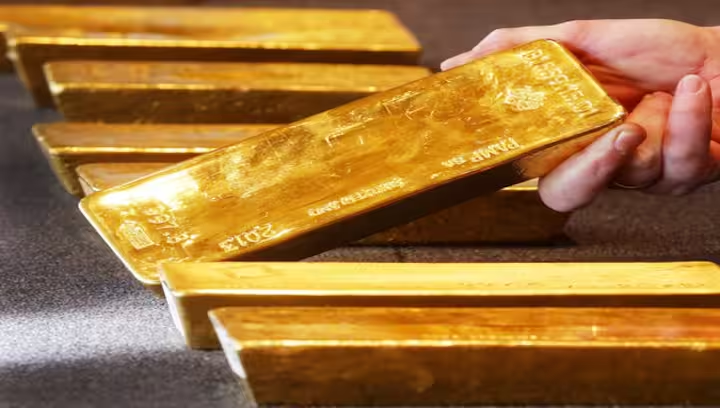
Johannesburg is genuinely Africa’s most institutionally developed gold trading center, anchored by Rand Refinery in nearby Germiston — the only refinery on the continent accredited on the LBMA Good Delivery List, and one of only a handful of refiners worldwide trusted as an LBMA Good Delivery Referee.
Founded in 1920, Rand Refinery produces certified 24K investment bars meeting the full international Good Delivery standard, alongside the iconic Krugerrand coin.
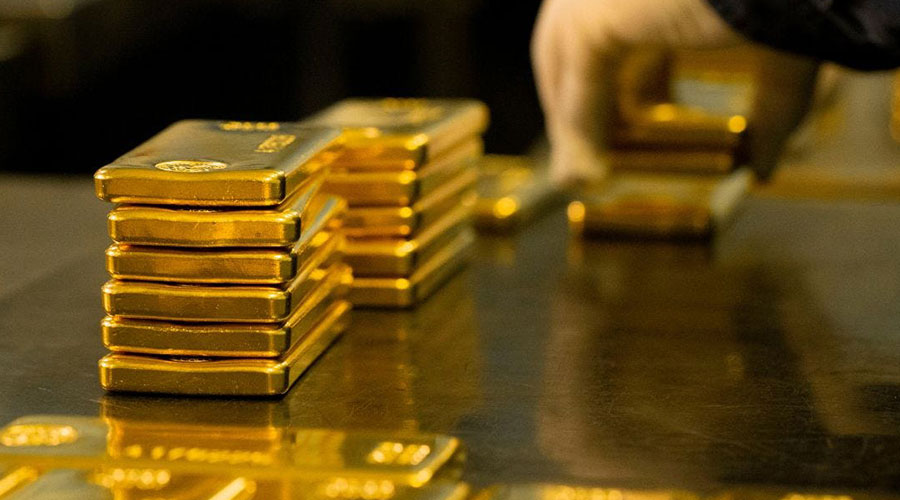
What Johannesburg offers: LBMA-certified 24K bars in institutional sizes, retail investment bars from 1g to 1kg, and Krugerrand bullion coins — genuinely the highest tier of certification available anywhere on the continent, backed by South Africa’s strict regulatory oversight through SARB and SARS.
See our gold bar pricing in South Africa and where to buy gold in South Africa guides for current rates and dealer verification steps.
Accra and Kumasi, Ghana: Africa’s Largest Gold Producer’s Trading Centers
Ghana is currently Africa’s largest gold producer, and Accra and Kumasi serve as the country’s primary trading hubs, governed by the Ghana Gold Board (GoldBod), established in 2025 with exclusive national authority over buying, selling, assaying, and exporting gold.
Ghana’s formal gold sector requires domestic refining before export for a meaningful share of artisanal output, and the country hosts genuinely significant refining capacity through facilities like Gold Coast Refinery.
What Ghana offers: Certified 24K bars meeting GoldBod’s minimum export purity standards, 22K gold widely used in West African jewelry markets, and doré bars for buyers with their own refining capacity.
See our gold price in Ghana today guide for current rates and our gold refineries in Africa pillar page for how Ghana’s refining sector compares to South Africa’s.
Kampala, Uganda: East Africa’s Growing Gold Trading Hub
Kampala has become East Africa’s most active gold trading center, drawing on Uganda’s own deposits in Karamoja, Mubende, and Busia alongside substantial cross-border supply from the DRC.
Trading here operates under the Mining and Minerals Act, 2022, with the Directorate of Geological Survey and Mines licensing dealers and exporters.
It’s genuinely important to be precise about what Kampala offers versus what it doesn’t: the city is a strong trading and dealing hub, but buyers should independently verify any specific refinery’s licensing directly with DGSM rather than assume based on reputation, since this is a market where unverified claims circulate more than in more established hubs like Johannesburg or Accra.
What Kampala offers: A genuine mix of refined 24K and 22K bars, raw gold nuggets, and gold dust from artisanal sources, all requiring independent assay verification before purchase given the market’s substantial informal segment. See our gold bars for sale in Kampala page and our legal requirements to buy gold from Africa guide for the full verification checklist.
Dar es Salaam and Mwanza, Tanzania: A Genuine Regional Refining Hub
Tanzania has built real, substantial refining capacity concentrated around Mwanza and the Lake Victoria Goldfields, home to major mines including Geita (AngloGold Ashanti) and Bulyanhulu and North Mara (Barrick’s Twiga Minerals joint venture). The Mwanza Precious Metals Refinery, opened in 2021, processes gold to 99.9% purity at genuine industrial scale, and Tanzania’s combined refining capacity now ranks among the largest on the continent — though it’s worth noting accurately that Tanzania hasn’t yet achieved LBMA Good Delivery accreditation, with Rand Refinery remaining the continent’s sole holder of that specific status.
What Tanzania offers: High-purity refined 24K bars from genuinely industrial-scale operations, plus artisanal gold dust and nuggets from the country’s substantial small-scale mining sector. See our Mwanza gold sourcing guide for details specific to this hub.
Harare, Zimbabwe: A State-Controlled Trading Center
Harare operates Zimbabwe’s gold trade through Fidelity Gold Refinery, the state-controlled entity holding exclusive legal authority to buy, refine, and export gold from the country under the Gold Trade Act.
Every ounce mined in Zimbabwe — industrial or artisanal — must pass through this single channel, a genuinely different structure from the more open trading environments in Johannesburg or Accra.
What Harare offers: Refined gold processed to 99.9% purity through the state channel, though buyers should understand this is a centralized, government-controlled market rather than an open trading hub — see our Zimbabwe sourcing guide for the practical details this structure creates for buyers.
Kinshasa, DR Congo: High Potential, Genuinely Higher Verification Requirements
Kinshasa serves as the DRC’s primary commercial gold hub, connecting the country’s genuinely significant eastern reserves in Ituri, North Kivu, and South Kivu to international markets.
The DRC’s gold sector offers real opportunity — high-purity artisanal gold and access to Africa’s largest single mine, Kibali — but it’s also the market requiring the most rigorous documentation of anywhere covered in this guide, given the eastern provinces’ well-documented history of conflict-linked gold.
Legitimate DRC gold requires iTSCi conflict-mineral traceability certification alongside standard Ministry of Mines export permits.
What Kinshasa offers: Refined 24K bars, doré, raw nuggets, and gold dust — genuinely the widest range of forms of any hub in this guide, reflecting the DRC’s mix of formal and artisanal production. See our buy gold in Congo guide for the specific verification steps this market requires.
How Do African Gold Trading Hubs Actually Differ From Each Other?
Refining infrastructure is the clearest differentiator — Johannesburg’s Rand Refinery holds the continent’s only LBMA Good Delivery accreditation, Ghana and Tanzania have built genuinely substantial domestic refining capacity without yet reaching that specific tier, and Kampala and Kinshasa remain more trading- and dealing-focused, with refining capacity still developing.
Regulatory structure varies just as meaningfully — South Africa and Ghana operate through well-established, centralized authorities (SARB/SARS and GoldBod respectively), Zimbabwe operates a single state monopoly through Fidelity Gold Refinery, and Uganda and the DRC combine formal licensing frameworks with genuinely larger informal or artisanal segments requiring more buyer diligence.
Documentation requirements scale with each market’s specific risk profile — the DRC’s conflict-mineral history makes iTSCi certification genuinely non-negotiable there in a way it isn’t in South Africa, while every hub still requires the baseline of independent assay certification and licensed-dealer verification regardless of location.
Which African Gold Trading Hub Is Best for Buyers?
It genuinely depends on what you’re prioritizing. Johannesburg suits buyers wanting the highest-tier international certification and institutional-grade bars. Ghana offers strong formal-market depth as Africa’s largest producer.
Tanzania offers genuine industrial refining capacity at competitive pricing. Uganda and the DRC offer the most competitive mine-direct pricing, but require the most active buyer verification.
Zimbabwe offers a single, centralized, government-backed channel with less flexibility but real state-level oversight. Working with a licensed exporter who genuinely understands each specific hub’s requirements matters more than picking one “best” location in isolation.
FAQs – Major Gold Trading Hubs in Africa
Which African city is the biggest gold trading hub? Johannesburg, South Africa, remains the continent’s most institutionally developed gold trading center, anchored by the only LBMA-accredited refinery in Africa.
Which African country offers the cheapest gold? Uganda and the DRC typically offer the most competitive mine-direct pricing, reflecting lower intermediary costs, though both require genuinely more rigorous buyer verification than more established markets.
Do all African gold trading hubs offer LBMA-certified gold? No — Rand Refinery in South Africa is currently the only LBMA Good Delivery-accredited refinery on the continent. Other hubs offer high-purity, properly certified gold through their own national frameworks, but not that specific international accreditation.
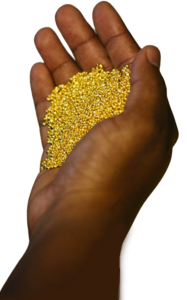
What types of gold can I buy across these hubs? Refined 24K and 22K bars, doré (semi-refined) bars, raw gold nuggets, and gold dust — the exact mix available depends on each hub’s balance of industrial versus artisanal production.
Is it safe to buy gold from any African trading hub? Yes, provided you work with a properly licensed dealer, insist on independent assay certification, and verify documentation appropriate to that specific country — the safety of any transaction depends far more on dealer verification than on which hub you’re buying from.
Buy Certified Gold From Africa’s Major Trading Hubs
We source certified 24K, 22K, and 18K gold bars, nuggets, and dust directly from licensed operations across South Africa, Ghana, Uganda, Tanzania, the DRC, and Mali, with every shipment backed by independent assay certification, certificate of origin, and full export documentation appropriate to each hub’s specific regulatory framework.
Browse our guides to South Africa, Mali, and where to buy gold in Africa more broadly, or our gold producing countries in Africa and gold refineries in Africa pillar pages for the fuller continental picture.
Our cheapest country to buy gold in Africa guide covers pricing comparisons across these same hubs in more depth, and our gold refineries in Kampala guide covers exactly how to verify claims in that specific market.
Browse our gold bar catalogue, 1kg 24K gold bar, and 1 oz gold bar, or explore our gold nuggets and gold dust options. Our safety guide and legal requirements guide cover exactly what to verify before any purchase, and our gold buy-back prices guide is worth reading if you’re planning ahead for a future sale.
For international buyers comparing African sourcing against European markets, our guides to Austria, Germany, Switzerland, and France cover how our certified African gold compares.
Get a Live Quote From a Licensed African Gold Exporter
Whichever hub genuinely fits your priorities — institutional certification, competitive pricing, or a specific country’s sourcing story — the real protection is working with a properly licensed exporter, not the hub itself.
Explore our full range of services, learn more about us, or contact us today for a live quote on certified gold sourced from any of Africa’s major trading hubs.
Related Pages
- Gold Bar Catalogue
- 1 kg 24K Gold Bar for Sale
- 1 oz Gold Bar
- Gold Nuggets for Sale
- Gold Dust
- How to Buy Gold Bars From Africa Safely
- Legal Requirements to Buy Gold From Africa
- Where to Buy Gold in South Africa
- Gold Bar Prices in South Africa
- Buy Gold in Mali
- Where to Buy Gold in Africa
- Gold Buy-Back Prices Explained
- Gold Bars for Sale in Kampala
- Gold Refineries in Kampala
- Gold Price in Ghana Today
- Buy Gold Bullion from Mwanza
- Buy Gold in Zimbabwe
- Buy Gold in Congo
- Gold Producing Countries in Africa
- Gold Refineries in Africa
- Cheapest Country to Buy Gold in Africa
- Buy Gold in Austria
- Buy Gold Online in Germany
- Buy Gold Online in Switzerland
- Buy Gold Online in France
- About Us
- Contact Us