Market for Gold in Uganda: Exports, Prices, Rules & Buyers
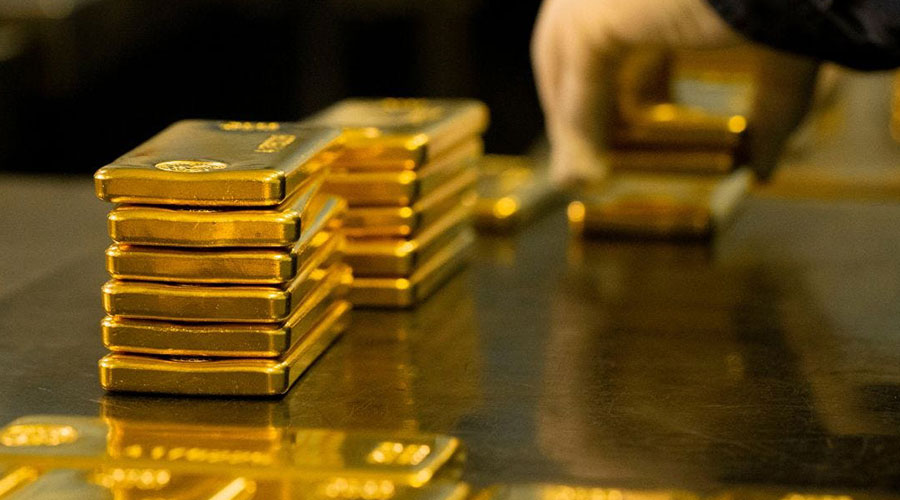
Market for Gold in Uganda: Gold is Uganda’s biggest export: in the latest reported 12-month period, Bank of Uganda data show gold exports of about US$8.9 billion (around 70 tonnes), more than double the year before and well over half of total export value, and at current spot prices 24K gold in Uganda is worth about US$138 per gram or US$137,600 per kilogram.
The market runs through licensed refiners, mineral dealers and exporters, supplied by artisanal miners in regions such as Mubende, Busia, Buhweju and Karamoja, and by gold brought in from neighbouring countries for refining and re-export, with most of it sold to buyers in the United Arab Emirates and other international markets.
Exports must be refined to 99.9% purity, carry an export permit and, for refined gold, pay a levy of US$200 per kilogram. The growth has also drawn scrutiny, with questions about the origin of some of the gold, which makes licensing and documentation central to buying safely.
This guide covers the market for gold in Uganda in full: the statistics, the types of gold traded, the price of gold in Uganda in USD, who buys gold in Uganda, the major refineries and players, the regulations and tax regime, the risks and challenges, and how to buy gold in Uganda safely.
Market for Gold in Uganda at a Glance
| Indicator | Detail |
|---|---|
| Status | Uganda’s largest export by value |
| Latest reported 12 months | About US$8.9 billion (about 70 tonnes), against about US$4.2 billion (about 49 tonnes) a year earlier |
| Share of exports | Well over half of total export value |
| Main destination | The United Arab Emirates, plus other international markets |
| Production base | Artisanal and small-scale mining plus some larger operations |
| Key regions | Mubende, Busia, Buhweju and Karamoja |
| Regulator | Ministry of Energy and Mineral Development, through the Directorate of Geological Survey and Mines (DGSM) |
| Export purity | Refined to at least 99.9% |
| Export levy on refined gold | US$200 per kilogram |
Uganda Gold Market Overview & Statistics
Uganda’s gold industry has grown dramatically over the past decade. Export earnings rose from a very small base to billions of dollars, and gold overtook coffee as the country’s leading export. The pattern in recent years has been steep:
| Period | Gold Exports (Approximate) |
|---|---|
| A decade ago | Tens of millions of US dollars |
| Two financial years back | About US$2.9 to 3.0 billion |
| One financial year back | About US$4.2 billion and about 49 tonnes |
| Latest reported 12 months | About US$8.9 billion and about 70 tonnes |
Figures are rounded from Bank of Uganda and Uganda Revenue Authority data as reported in the press, and are revised over time.
Why Have Exports Grown So Fast?
- Higher international gold prices, which raise the dollar value of every tonne.
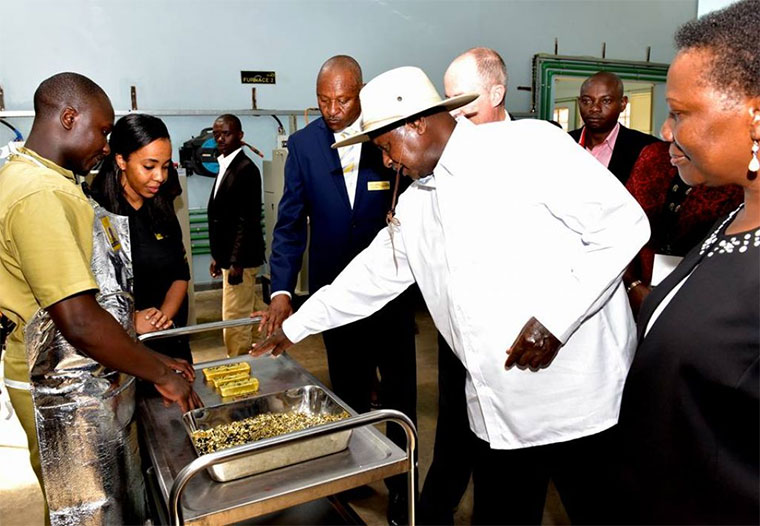
- Domestic refining. Licensed refineries, several of them in the Entebbe area, process gold for export.
- Policy changes. Waived royalties on small-scale gold, a levy structure that favours refining, and central bank purchases of locally produced gold have all shaped the market.
- Regional trade. Uganda acts as a refining and export hub, taking in gold from neighbouring countries. Under the rules, gold brought in for refining and re-export is treated as transit gold when its origin is documented.
- Foreign investment in mining and refining.
An Important Caveat About the Numbers
Uganda’s recorded gold exports now exceed what domestic mining is thought to produce, and investigative reporting and researchers have noted that a significant share of exported gold is re-exported from neighbouring countries, including the DR Congo, with questions about how much of it is properly documented.
That does not mean any particular shipment is illegitimate, but it is the reason documented origin, licensing and chain-of-custody records matter so much for anyone buying Ugandan gold. See our guide to the illegal gold trade in Africa.
Key Gold-Producing Regions in Uganda
| Region | Mining Activity |
|---|---|
| Mubende | Artisanal mining and exploration, one of the best-known gold districts |
| Busia | Artisanal mining on the Kenya border, with larger operations reported |
| Buhweju | Small-scale and cooperative mining |
| Karamoja | An emerging mining frontier in the north-east, also rich in marble and limestone |
For the wider picture of Uganda’s mineral wealth, see our guide to what minerals are found in Uganda.
Types of Gold in Uganda
Gold in Uganda is traded in several forms, and each is priced and regulated differently:
| Type | What It Is | Typical Buyers |
|---|---|---|
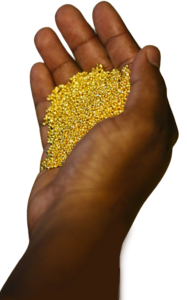
| Alluvial gold and gold dust | Fine gold particles recovered by panning and sluicing | Licensed dealers, refiners |
| Nuggets | Naturally occurring pieces of gold, usually below 24K purity | Collectors, jewellers, dealers |
| Doré and unrefined gold | Semi-refined gold containing silver and other metals | Licensed refineries |
| Gold ore and concentrate | Rock or processed material containing gold | Processors and refiners |
| Refined gold bars and ingots (999.9) | Investment-grade bullion, stamped and assayed | Exporters, investors, central bank, international buyers |
| Jewellery gold (22K, 18K, 14K, 9K) | Alloyed gold for jewellery | Goldsmiths, jewellers and consumers |
Purity differs: natural nuggets and dust vary and must be assayed, while refined bars are 99.9% or higher. See our pages on gold bars, gold nuggets and gold dust, and our explainer on gold ore.
Price of Gold in Uganda in USD
Gold in Uganda is priced from the international spot price in US dollars and then converted to Ugandan shillings, so the shilling price moves with both gold and the exchange rate. At the current spot price:
| Purity | Price per Gram (USD) | Price per Ounce (USD) | Price per Kilogram (USD) | Price per Gram (UGX, approx.) |
|---|---|---|---|---|
| 24K (999) | $137.60 | $4,280 | $137,602 | About UGX 503,600 |
| 22K (916) | $126.17 | $3,924 | $126,170 | About UGX 461,800 |
| 18K (750) | $103.31 | $3,213 | $103,305 | About UGX 378,100 |
These are raw gold values based on the current international spot price and an approximate exchange rate of about UGX 3,660 per US dollar. Dealer premiums are added on top: roughly 8 to 10% on a 1 gram bar, 6 to 7% on 10 grams, 3 to 5% on 100 grams and 1 to 3% on a kilogram bar, so a 1 kg bar typically costs about US$139,100 to US$141,900. Both gold and the shilling move constantly, so confirm a live quote.
Uganda’s prices track the same global benchmark as Kenya and Tanzania, so differences between countries mostly come from premiums, taxes and currency. See our guides to gold bars for sale in Kampala, the 1 kg gold bar and the price of 18K gold.
Who Buys Gold in Uganda?
| Buyer | What They Do |
|---|---|
| Licensed mineral dealers and traders | Buy from artisanal and small-scale miners and resell to refiners or exporters |
| Licensed refineries | Refine doré and gold dust to export purity, and sell or export it |
| Licensed exporters | Ship refined gold to international buyers, mainly in the UAE and other markets |
| The Bank of Uganda | The central bank has bought locally produced gold for its reserves |
| Jewellers and goldsmiths | Buy gold for jewellery and local retail |
| International buyers and investors | Buy certified bars through licensed exporters |
| Unlicensed buyers | Operate informally, which carries legal and fraud risk |
Trading in gold is supposed to take place between parties holding valid licences, such as a mineral dealer’s licence, a mining licence or a refining licence, so anyone selling gold in Uganda should check the buyer’s licence first. If you are selling, ask the buyer for their licence number, the carat and weight they have recorded, and how the price is calculated, and compare more than one offer. See our guide to how to spot fake gold and our gold authentication guide.
Major Refineries & Market Players
Uganda has several licensed refiners, most of them near Entebbe. Reporting indicates seven firms hold government refining licences, and the sector is overseen by DGSM, with the Uganda Revenue Authority handling customs and tax.
Names that appear in public reporting include African Gold Refinery, Simba Gold Refinery and Bullion Gold Refinery, among others, and Chinese-backed Wagagai Mining has been reported in Busia. Outside the refineries, the supply chain includes:
- Artisanal and small-scale miners and cooperatives, who supply most of the raw gold
- Local dealers and traders, who aggregate it
- Licensed exporters, who ship refined gold abroad
- Larger mining companies with exploration or mining licences
- Regulators: the Ministry of Energy and Mineral Development, DGSM and the URA
A note on due diligence. In 2022 the US Treasury sanctioned the African Gold Refinery and its director, alleging links to the smuggling of gold from the Democratic Republic of Congo.
The refinery has since been reported to operate under a different name, and investigative reporting has questioned whether some exports share suppliers with a sanctioned network, which the companies concerned deny.
For a buyer, the practical lesson is to verify the refiner and the origin of any gold you buy, and to check that it is not linked to sanctioned parties. Buy Gold Bars Africa is a separate licensed exporter based in Uganda.
Key Regulations & Tax Regime
Uganda’s gold sector is regulated under the Mining and Minerals Act, 2022 and its regulations, administered by the Ministry of Energy and Mineral Development through the Directorate of Geological Survey and Mines (DGSM), with the Uganda Revenue Authority (URA) responsible for customs and tax.
| Area | Rule |
|---|---|
| Licensing | Mining, mineral dealer, refining and smelting activities each need the right licence |
| Trading | Gold should be traded between licence holders |
| Export permit | A DGSM export permit is required for each consignment |
| Export purity | Exported gold must be refined to at least 99.9% |
| Export levy | US$200 per kilogram on refined gold |
| Imports | An import permit is needed for gold brought into Uganda, issued per consignment |
| Transit gold | Gold from neighbouring countries passing through for refining and export is reported to be exempt from the levy, with proof of origin |
| Penalties | Breaches can lead to fines and imprisonment |
| Responsible sourcing | Uganda participates in regional certification efforts aimed at stopping conflict-linked gold |
Royalty treatment differs by licence class and policy changes, so confirm the current position with DGSM and the URA. See our detailed guides to gold export tax in Uganda, the legal requirements to buy gold bars from Africa and taxes on physical gold.
Risks & Challenges
- Smuggling and weak traceability. Cross-border gold flows, including from the DR Congo, make it hard to prove where some gold comes from. See gold mining in Congo.
- Sanctions and reputational risk. Dealing with a counterparty linked to a sanctioned network can create legal and banking problems for buyers.
- Fraud and counterfeit gold. Fake bars, forged certificates and advance-fee scams target buyers. Read why cheap African gold offers can be dangerous.
- Environmental damage. Unregulated mining causes deforestation, river pollution and mercury contamination.
- Child labour and unsafe conditions in parts of the artisanal sector.
- Policy and tax changes. Levies, royalties and licensing rules change, which affects costs and contracts.
- Price volatility. Global gold prices and exchange rates move constantly.
- Informal trading. Dealing with unlicensed buyers or sellers exposes both sides to legal and financial risk.
Investment Opportunities in Uganda’s Gold Market
- Mining. Partnerships with artisanal miners and, for larger investors, exploration and mining licences.
- Refining and processing. Adding value inside Uganda through licensed refining.
- Trading and export. Licensed dealers and exporters buying, certifying and shipping gold.
- Jewellery. Growing local demand supports goldsmith businesses.
Any entry into the sector should start with the right licences, local legal advice and a clear view of sourcing and compliance risk.
How to Buy Gold in Uganda Safely
- Verify the dealer’s licence with the Ministry of Energy and Mineral Development, not from a document the seller provides.
- Agree the price against live spot, stating the spot price used and the premium separately.
- Insist on an independent assay certificate matching the serial number on each bar.
- Confirm origin and export documents, including a certificate of origin and a DGSM export permit for international buyers.
- Use traceable payment, such as bank transfer, and avoid cash for large amounts.
- Arrange insured, tracked shipping with a specialist carrier. See our guide to gold logistics companies in Uganda.
- Check sanctions and sourcing risk on the supplier and refiner.
Read our safe buying guide and our guide to where to buy gold in Africa. Buyers sending gold to the Gulf can also see buying gold in Dubai and DMCC gold trading.
The Future of Uganda’s Gold Industry
The direction of travel is toward more domestic refining, tighter oversight and better tracking of gold from mine to export, with central bank purchases adding a new source of demand.
At the same time, the scale of exports and the questions about origin mean pressure for stronger traceability and transparency will probably grow, and the market is likely to reward suppliers who can document where their gold comes from. For buyers, that makes documentation the most important sign of quality.

Frequently Asked Questions: Market for Gold in Uganda
How big is the market for gold in Uganda? Gold is Uganda’s largest export. In the latest reported 12-month period, Bank of Uganda data show exports of about US$8.9 billion, or about 70 tonnes, well over half of total export value.
What is the price of gold in Uganda in USD? At the current spot price, about US$138 per gram for 24K, US$126 for 22K and US$103 for 18K, before dealer premiums. A 24K kilogram is worth about US$137,600.
Who buys gold in Uganda? Licensed dealers and traders, refineries, exporters, the Bank of Uganda, jewellers and international buyers, mainly in the UAE.
What types of gold are there in Uganda? Alluvial gold and dust, nuggets, doré, ore and concentrate, refined bars and ingots, and jewellery gold in carats such as 22K, 18K and 9K.
Is it legal to export gold from Uganda? Yes, with the right licences and a DGSM export permit. Exported gold must be refined to at least 99.9%, and a levy of US$200 per kilogram applies to refined gold.
Which regions produce gold in Uganda? Mubende, Busia, Buhweju and Karamoja are the best known.
How many refineries are there in Uganda? Several; reporting indicates seven firms hold refining licences. Confirm any refiner’s current licence with DGSM.
Is Uganda’s gold all produced in Uganda? No. Reporting indicates a significant share is brought in from neighbouring countries, refined and re-exported, which is why documented origin matters.
Who regulates gold in Uganda? The Ministry of Energy and Mineral Development, through DGSM, with the Uganda Revenue Authority handling customs and tax.
How do I sell gold in Uganda? To a buyer holding a valid licence. Ask for their licence number, the weight and carat recorded, and how the price is calculated, and compare offers.
How do I buy gold in Uganda safely? Verify the dealer’s licence, check the assay certificate, agree the price against live spot, confirm origin and export documents, and use traceable payment and insured shipping.
Is gold in Uganda cheaper than elsewhere? The raw gold price is global. A licensed exporter may quote a lower premium on larger bars, but a price far below spot is a scam signal.
Buy Gold in Uganda With Full Documentation
Buy Gold Bars Africa is a licensed exporter based in Uganda. Every order includes an independent assay certificate, a certificate of origin and export documentation, and we encourage you to verify our licence and test the gold independently before you pay. Browse our gold bars, 1 oz gold bars and bulk orders, compare buying gold bars at the lowest price, then contact us, message us on WhatsApp at +256 707 585144, or read about our company.
Related Pages
- Gold Export Tax in Uganda
- Gold Bars for Sale in Kampala
- What Minerals Are Found in Uganda
- Illegal Gold Trade in Africa
- Gold Logistics Companies in Uganda
- Taxes on Physical Gold
- Where to Buy Gold in Africa
- More gold guides
Statistics are rounded figures from the Bank of Uganda and Uganda Revenue Authority as reported in the press, and are revised over time. Prices are indicative reference values from the international spot price and an approximate exchange rate, not a live feed or binding offer. Regulations, levies and licensing change, so confirm current requirements with DGSM, the URA or a qualified adviser. No wrongdoing is alleged against any named company; sanctions information is attributed to the US Treasury and press reporting. Educational content, not legal, tax or investment advice.