Buy Gold in Spain: Certified Gold Bars from Africa Suppliers
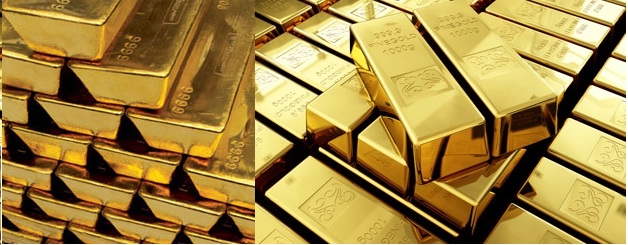
You can buy gold in Spain through local bullion dealers, precious metals retailers, and international suppliers offering physical gold bars and other investment products. Spanish buyers interested in purchasing gold from Africa should compare prices, verify gold purity and authenticity, check supplier credentials, and understand the customs and tax requirements before completing an international transaction.
Spain has an established market for precious metals, with demand from private investors, gold traders, jewellery manufacturers, and individuals seeking to diversify their assets. Buyers can choose from different gold products, including 24K gold bars, investment bullion, gold coins, and other physical gold products, depending on their investment objectives and budget.
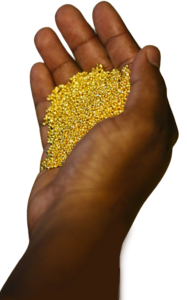
Buying gold directly from African suppliers can provide access to additional sourcing opportunities, particularly for wholesale buyers and investors purchasing larger quantities. However, importing gold into Spain requires careful attention to the supplier’s legal authorisation, gold origin, independent assay documentation, export permits, customs declarations, and applicable European Union import regulations.
Spanish gold buyers should also understand the country’s tax framework. Investment gold that meets the relevant EU requirements generally benefits from a special VAT exemption, while wealth tax and capital gains tax treatment can depend on individual circumstances and the applicable Spanish national and regional rules.
This guide explains where to buy gold in Spain, how to purchase certified gold bars from African suppliers, the factors affecting gold prices, and the requirements for importing gold into Spain. It also covers customs procedures, VAT, wealth tax considerations, international shipping, and how to identify a reliable gold supplier when purchasing physical gold from abroad.
Buy Gold in Spain from Africa
Madrid’s jewelry district around Calle Mayor and Gran Vía, and Barcelona’s artisanal quarter around El Born, both do excellent work — but both are built around jewelry, and jewelry pricing carries a craftsmanship premium that has nothing to do with the gold content itself. For anyone specifically after 24K oro de inversión (investment gold) rather than a crafted piece, that premium is money spent on something you didn’t ask for.
Sourcing directly from Africa sidesteps it entirely. Uganda, Ghana, and South Africa’s proximity to their own mines keeps production costs down, and that shows up in pricing that tracks closely to LBMA spot — typically a 1–3% premium, against the 5–8% more common among Spanish retail comerciantes de oro (gold dealers).
Every bar is independently assayed and fully documented before it leaves the continent. The full catalogue shows current stock, and our live gold price in Spain tracker is worth bookmarking separately if you want daily spot movement rather than a one-time snapshot.
Gold Import Regulations in Spain
Standard EU rules apply at the border: cash or cash-equivalent instruments worth €10,000 or more, entering from outside the EU, must be declared to Spanish customs.
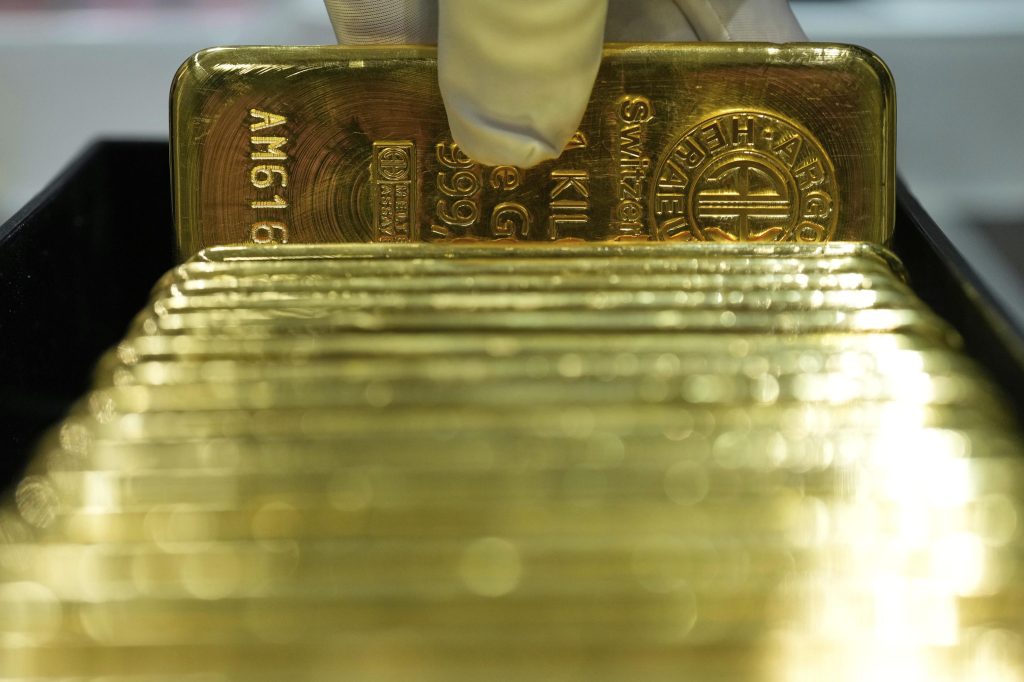
Gold bullion moves through the ordinary customs goods process instead, backed by an assay certificate, certificate of origin, commercial invoice, and export permits proving investment-grade status under EU Directive 98/80/EC.
We prepare this full set on every order. See our guides on legal requirements from Africa and buying gold in Europe direct from Africa for more, and travelling with gold if you’re carrying it personally rather than shipping.
VAT and Wealth Tax on Gold in Spain
The purchase side is the easy part: investment-grade gold bars and coins at 99.5%+ purity are exempt from Spain’s 21% VAT, the same EU-wide rule that applies across the bloc. Jewelry doesn’t get this treatment and carries the full rate.
What’s actually distinctive about Spain sits on two other fronts entirely. First, Impuesto sobre el Patrimonio — the wealth tax — is a devolved regional tax, meaning each autonomous community sets its own rules. Madrid applies a 100% bonification, effectively eliminating it for residents there.
Catalonia and several other regions don’t offer the same relief, and gold counts toward the taxable base either way. On top of that, a national Impuesto de Solidaridad de las Grandes Fortunas applies to net wealth above roughly €3 million regardless of region, closing the Madrid exemption for genuinely large holdings.
Second, and separately: Spain does tax capital gains on gold sales, unlike several neighboring countries that exempt them entirely. Profit from selling investment gold counts as a ganancia patrimonial on your IRPF return, taxed on the progressive savings-income scale — roughly 19% on the first €6,000 of gain, rising through 21%, 23%, and 27%, up to 28% above €300,000.
There’s no flat-rate alternative and no holding-period exemption the way Germany or Austria offer. This makes Spain a genuinely more complex jurisdiction than most of its neighbors, and it’s exactly why keeping a clean invoice and assay record from your original purchase matters — it’s the only way to establish your cost basis accurately when Hacienda eventually asks.
Our comparison of the cheapest country to buy gold in Europe puts Spain’s overall tax position alongside Switzerland, Germany, Belgium, France, and Austria.
Shipping Gold to Spain
Brinks and Malca-Amit handle transport — armored, GPS-tracked, fully insured from Africa to your address in Madrid, Barcelona, Valencia, or Sevilla, typically arriving within about a week. Assay certificates, origin documentation, and export permits travel with the shipment, not separately.
Buyers who’d rather not hold physical gold at home, particularly given the annual wealth-tax reporting some regions require, can arrange secure vault storage through our partners instead. Full detail in our courier and logistics guide.
Best Investment Gold for Spanish Buyers
Given Spain’s real capital gains exposure on sale, documentation matters here as much as it does in France — a 1g or 10g bar is a reasonable way to start and test the process, while a 100g or 1kg bar brings the premium per gram down for buyers ready to commit.
Investors in regions without Madrid’s wealth-tax relief sometimes deliberately size purchases to manage their annual taxable base, which is worth discussing with a local gestor before a large order.
Current Gold Prices for Spanish Buyers (USD)
Why Spanish Buyers Work With Us
A tighter premium than Madrid or Barcelona retail, full documentation that supports your cost-basis records for IRPF purposes down the line, and fully insured Brinks/Malca-Amit delivery landing within about a week. Browse gold in Africa for sale and gold mining in Uganda, or read the safe-buying guide before your first order.
Contact us by email or WhatsApp for a live quote.
FAQ – Buy Gold in Spain
Is investment gold VAT-exempt in Spain? Yes, at 99.5%+ purity — the same EU-wide exemption that applies across the bloc. Jewelry pays the full 21% VAT.
Does Spain have a wealth tax on gold? Yes, but it’s regional — Madrid applies a 100% bonification effectively eliminating it, while other regions like Catalonia don’t. A separate national solidarity tax applies above roughly €3 million in net wealth regardless of region.
Do I pay tax when I sell gold in Spain? Yes — unlike some neighboring countries, Spain taxes gold profit as a capital gain on the IRPF savings scale, roughly 19–28% depending on the size of the gain.
Is African-sourced gold cheaper than a Spanish dealer? Usually — 1–3% premium versus the 5–8% more typical of Spanish retail.
What documents should I keep for tax purposes? Your assay certificate and invoice, which establish your cost basis for capital gains calculations when you eventually sell.