Buy Gold in the Netherlands: 24k, 22k, & 18k Pure Certified Gold
Buy gold in the Netherlands: Ask a Dutch accountant how gold is taxed, and “capital gains” won’t come up at all — because in the Netherlands, it doesn’t apply. Physical gold gets folded into Box 3, the wealth tax, and taxed on a deemed return regardless of what actually happened to the price.
That’s a genuinely different system from the rest of Europe, and it changes how Dutch investors should think about buying, holding, and eventually selling.
This guide covers sourcing certified goudstaven (gold bars) from Africa, the Netherlands’ import rules, how Box 3 actually works in practice, and shipping to Amsterdam, Rotterdam, or wherever else you’re based.
VAT on Gold in the Netherlands
The purchase side follows the standard EU rule: gold bars and coins at 99.5%+ purity are exempt from the Netherlands’ 21% VAT, under Directive 98/80/EC as the Belastingdienst applies it. Our 24K bars, certified at 999.9 fine, clear this without issue. Jewelry and non-investment gold don’t get the same treatment and pay the full 21% rate.
The more important number for Dutch buyers isn’t the VAT rate, though — it’s what happens after purchase. Gold you hold gets valued at market price on January 1st each year and folded into your total Box 3 assets, taxed at 36% of a notional deemed return rather than anything you actually earned or lost.
There’s a tax-free threshold on total Box 3 wealth (around €57,684 per person for 2025, rising slightly for 2026), so gold only bites once your overall assets cross that line. Selling at a profit, by contrast, triggers nothing extra — no separate capital gains event at all.
It’s a genuinely different shape of tax exposure than France’s exit tax or Germany’s one-year rule, and it rewards careful annual record-keeping more than careful timing of a sale.
Buying Gold Bars in the Netherlands from Africa
None of the above changes where you should actually source the gold. Dutch domestic dealers in Amsterdam and Rotterdam still carry retail premiums that direct sourcing avoids.
Uganda, Ghana, and South Africa’s mines sit close enough to keep production costs down, and that shows up in pricing that tracks tightly to LBMA spot.
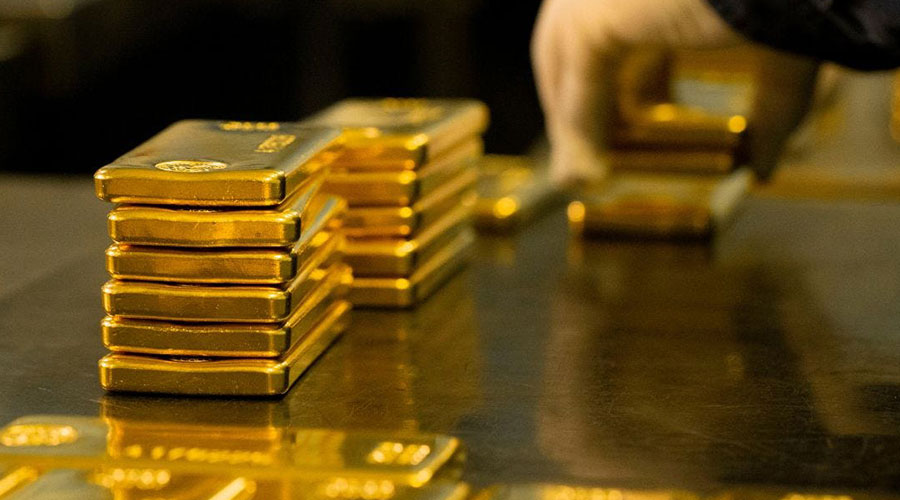
Every shipment is independently assayed before it leaves Africa, giving Dutch buyers a documented chain back to the actual source rather than gold that changed hands multiple times first. See the full catalogue for current stock.
Gold Import Regulations in the Netherlands
Standard EU rules govern entry: declare cash or cash-equivalent instruments of €10,000 or more via the EU form when entering from outside the bloc, through Dutch customs (Douane).
Gold itself moves through the ordinary goods declaration, backed by an assay certificate, certificate of origin, invoice, and export permits — which we prepare in full on every order.
Dutch authorities also apply standard anti-money-laundering monitoring to significant precious metals transactions, so organized documentation matters from the outset, not just at the border. Our guides on legal requirements from Africa and buying in Europe direct from Africa cover more detail, alongside our travelling with gold guide.
Shipping Gold to the Netherlands
Brinks and Malca-Amit handle transport — armored, tracked, insured from Africa to your address in Amsterdam, Rotterdam, The Hague, Utrecht, or Eindhoven, typically within about a week.
Documentation travels with the shipment rather than separately. Buyers who’d rather avoid the annual valuation-and-storage hassle of holding physical gold at home can arrange secure vaulting through our partners instead. Full detail in the courier and logistics guide.
Best Investment Gold for Dutch Buyers
Given how Box 3 works — taxing total wealth rather than realized gains — bar size decisions in the Netherlands often come down to timing purchases across tax years as much as picking a weight.
A 1g or 10g bar suits a first purchase. A 100g or 1kg bar lowers the per-gram premium for buyers ready to commit, though some Dutch investors deliberately stagger larger purchases around the January 1st reference date rather than buying everything at once.
Current Gold Prices for Dutch Buyers (EUR & USD)
| Weight | Buy Gold Bars Africa (EUR) | Buy Gold Bars Africa (USD) | Typical Dutch Dealer Price (EUR, 3–7% premium) |
|---|---|---|---|
| 1 gram | ~€109 | ~$120 | ~€112 – €117 |
| 10 grams | ~€1,090 | ~$1,200 | ~€1,123 – €1,166 |
| 1 troy oz (31.1g) | ~€3,390 | ~$3,730 | ~€3,492 – €3,627 |
| 100 grams | ~€10,900 | ~$12,000 | ~€11,227 – €11,663 |
| 1 kilogram | ~€109,000 | ~$120,000 | ~€112,270 – €116,630 |
Snapshot pricing, moves daily. Both sourcing routes qualify equally for the VAT exemption; Box 3 wealth tax applies annually regardless of where the gold was bought. Ask for a live quote before ordering.
Why Dutch Buyers Choose Us
A tighter premium than most domestic dealers offer, complete documentation that also supports your annual Box 3 declaration, and fully insured Brinks/Malca-Amit shipping that lands within about a week. Have a look at gold in Africa for sale and gold mining in Uganda, or read the safety guide before a first order.
Contact us for a live quote.
FAQ – Buy Gold in the Netherlands
Is investment gold VAT-exempt in the Netherlands? Yes, at 99.5%+ purity, under the same EU directive that applies across the bloc.
Do I pay capital gains tax when I sell gold here? No — there’s no capital gains tax on gold in the Netherlands at all. Instead it’s valued annually and taxed as Box 3 wealth.
How does Box 3 actually work for gold? Your gold’s value on January 1st counts toward total Box 3 assets, taxed at 36% of a deemed return, only above the annual tax-free threshold.
Is African-sourced gold cheaper than a Dutch dealer? Generally yes — 1–3% premium versus the higher end typical of domestic Dutch retail.
What paperwork should I keep for my tax return? Your assay certificate and invoice, useful for both customs clearance and annual Box 3 valuation records.
Related Gold Buying Guides
-
- Buy Gold Bars: Full Catalogue
- Where to Buy Gold in Belgium
- Buy Gold in Germany from Africa
- Buy Gold Online in Italy
- Buy Gold Bars Online in France
- Where to Buy Gold in Austria
- Cheapest Country to Buy Gold in Europe
- Cheapest Gold Bullion: Where to Find It
- Buy Gold in Europe Direct from Africa
- Legal Requirements to Buy Gold Bars from Africa
- How to Buy Gold Bars from Africa Safely
- Courier and Logistics Companies for Gold Exports
- Travelling with Gold: International Investor Guide
- Gold Mining in Uganda
- Contact Us