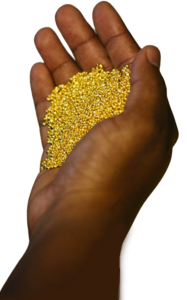
How to Get to Uganda 2026 — Top Travel Guide for Gold Buyers
Wondering how to get to Uganda? Discover the best ways to travel to Uganda by air, road, and regional connections, including flights to Entebbe International Airport, visa requirements, and essential travel tips for a smooth and memorable journey.
Getting to Uganda is straightforward. The most practical route for international visitors is a flight to Entebbe International Airport (EBB), located 37 kilometres from Kampala, with connecting flights available through Dubai, Nairobi, Addis Ababa, Johannesburg, London, Amsterdam, and Brussels on airlines including Ethiopian Airlines, Emirates, KLM, and Uganda Airlines.
There are no major direct flights from North America, but connections through any of these hubs make Entebbe reachable from anywhere in the world within 12–22 hours of travel time.
This guide from Buy Gold Bars Africa is written specifically for two types of travellers to Uganda: gold buyers and business investors who are visiting Kampala to source African gold directly from licensed suppliers — and tourists and wildlife enthusiasts who want to experience the Pearl of Africa’s extraordinary landscapes, gorillas, and culture.
Whether your goal is sourcing certified gold bars from Uganda or spending a week trekking chimpanzees and mountain gorillas in Bwindi, this is the most complete travel guide available for Uganda in 2026.

Why Come to Uganda in 2026? — Gold Business and Tourism Combined
Uganda occupies a unique position in the global gold market. As one of East Africa’s most important gold-producing and gold-trading hubs — with licensed dealers in Kampala sourcing gold from Uganda’s Karamoja, Mubende, and Busia goldfields as well as through verified cross-border supply relationships with DRC miners — Uganda offers international gold buyers direct mine-to-buyer access at premiums that are simply unavailable through Western retail gold dealers.
Our Kampala-based team at Buy Gold Bars Africa works exclusively with licensed, documented sources. For investors who want to visit in person — which we strongly recommend for first-time buyers — coming to Uganda allows you to verify our operations directly, inspect gold before purchase, meet the team, and build the personal business relationship that makes future remote transactions straightforward and trusted. Our contact page has our Kampala office details; we offer free airport pickup for serious buyers.
Beyond business, Uganda is one of Africa’s finest tourism destinations — home to mountain gorillas in Bwindi Impenetrable Forest, chimpanzees in Kibale National Park, the Murchison Falls on the Victoria Nile, and a landscape of crater lakes, tea plantations, and savannah parks that makes it one of the continent’s most visually diverse countries.
Many of our clients combine a gold buying visit with several days of wildlife experiences that they describe as among the most memorable of their lives.
How to Fly to Uganda — Air Routes, Airlines, and Booking Tips
Entebbe International Airport — Your Gateway to Uganda
Entebbe International Airport (IATA: EBB) is Uganda’s only international commercial airport and the arrival point for virtually all international visitors. The airport is located in Entebbe town on a peninsula jutting into Lake Victoria, approximately 37 kilometres south of Kampala on a well-maintained highway.
The drive from Entebbe Airport to Kampala city centre takes 45 minutes to 1.5 hours depending on traffic — Kampala’s notorious rush hour congestion can extend this on weekday afternoons. Our team typically arranges airport pickup during off-peak hours to minimise transfer time for business clients.
Which Airlines Fly to Uganda?
Several international airlines operate regular scheduled services to Entebbe, with the majority routing through East African and Gulf hub airports:
Ethiopian Airlines operates the most frequent and well-connected service to Entebbe from its Addis Ababa hub, with multiple daily departures to Addis Ababa connecting onward to destinations across Africa, Europe, North America, and Asia.
Ethiopian is consistently the most competitive option for travellers from North America, the Far East, and many European cities. For buyers flying to Uganda from the USA, an Ethiopian Airlines connection through Addis Ababa is typically the most efficient routing.
Emirates provides excellent connections via Dubai — the world’s most strategically located aviation hub for connecting Africa with Europe, Asia, and the Americas.
For gold buyers travelling from the UAE, Saudi Arabia, or other Gulf markets — all major destinations for African gold trade — Dubai to Entebbe is a direct, convenient route.
KLM Royal Dutch Airlines operates services via Amsterdam, providing a well-regarded European routing that connects easily with North American transatlantic flights. Brussels Airlines connects via Brussels with particularly strong links to Central African destinations including the DRC, making it a useful option for buyers managing supply relationships across both Uganda and Congo.
Qatar Airways via Doha provides another Gulf hub option with strong global connectivity. RwandAir offers connections through Kigali — particularly useful for buyers combining a Uganda gold visit with Rwanda business or gorilla trekking in Volcanoes National Park.
Uganda Airlines — the national carrier relaunched in 2019 — operates regional services and is developing new international routes. The anticipated Entebbe to London Heathrow service, when it becomes operational, will represent Uganda’s first direct link to Europe and significantly reduce travel time for UK-based buyers and investors. Monitor the Uganda Airlines website for updates on this route’s launch date.
Booking Tips for Flights to Uganda
Book via both airline websites directly and Online Travel Agencies (OTAs) such as Kayak, Skyscanner, and Google Flights to compare prices — direct airline bookings sometimes offer better flexibility and change policies while OTAs occasionally surface lower fares.
For business buyers with flexible schedules, booking well in advance (8–12 weeks ahead) consistently delivers the best per-seat prices on East African routes. Midweek departures and returns typically show lower fares than Friday/Sunday travel.
Business class on Ethiopian, Emirates, and KLM is worth considering for gold buyers making significant purchases — the comfort advantage on overnight flights allows you to arrive in Uganda rested and ready for business meetings rather than fatigued, and the lounge access at major hub airports makes long connections more productive.
Overland Entry into Uganda — Border Crossings from Neighbouring Countries
Uganda shares land borders with Kenya, Tanzania, Rwanda, the DRC, and South Sudan, with multiple designated border crossing points on each border. Overland entry is common for travellers already in the region and for buyers who are combining Uganda with visits to Rwanda or Kenya.
Uganda from Kenya — The Malaba/Busia Route
The Malaba border crossing on the Kampala–Nairobi highway is the busiest and most practical overland entry point from Kenya. Comfortable trans-East Africa bus services — including Easy Coach, Modern Coast, and Kampala Coach — operate daily direct services between Nairobi and Kampala, covering the approximately 12-hour journey with comfortable seating, air conditioning, and onboard facilities. This is a popular option for buyers who are visiting both Nairobi and Kampala in a single regional trip.
The Busia border crossing to the south of Malaba is an alternative overland point used primarily by regional traders and travellers from western Kenya.
Uganda from Rwanda — Katuna/Cyanika Route
The Katuna (Uganda side)/Rusumo (Rwanda side) border crossing and the Cyanika crossing near Kisoro are the primary entry points from Rwanda. Both routes are well-maintained and used by numerous travellers combining gorilla trekking at Bwindi Impenetrable Forest (Uganda) with Volcanoes National Park (Rwanda). Road conditions are good on both sides of the border.
Uganda from Tanzania — Mutukula Border
The Mutukula border crossing connects Tanzania’s Kagera Region to Uganda’s western corridor and is used by travellers moving between Tanzania and Uganda overland. Bus services connect Dar es Salaam and Kampala via this crossing.
Uganda from the DRC
Several crossing points connect Uganda’s western border with the DRC — most notably Mpondwe-Luviriha (near Kasese), Bunagana (near Kisoro), and the Goli-Mahagi crossing in the north. These crossings are used by gold traders, regional business travellers, and NGO workers, but security conditions in eastern DRC mean that crossing requirements and practical logistics should be verified close to the date of travel through current government travel advisories.
Uganda Visa Requirements 2026 — How to Apply Online
Uganda operates an e-Visa system that is straightforward for most international visitors. Apply online at the official Uganda e-Visa portal: visas.immigration.go.ug — this should be done ideally 2–4 weeks before your planned travel date, though applications can technically be approved faster.
Single-entry Uganda visa costs approximately USD $50 for most nationalities and allows a stay of up to 90 days. The application requires a scanned colour passport (valid for at least 6 months beyond your intended departure date), a recent passport photograph, a return flight itinerary, proof of accommodation (hotel booking or letter of invitation from a business contact), yellow fever vaccination certificate, and payment by international credit or debit card.
East African Tourist Visa is a particularly valuable option for travellers planning to visit Uganda alongside Kenya and Rwanda in a single trip. At USD $100, this multi-entry visa allows movement between all three countries for up to 90 days — significantly better value than purchasing three separate visas, and extremely convenient for gold buyers or tourists visiting destinations across the region.
Citizens of several East African Community member states and select other countries may enter Uganda visa-free — check the Uganda Directorate of Citizenship and Immigration Control’s current list for your specific nationality before applying.
Arriving at Entebbe Airport — First Steps in Uganda
Immigration and Customs
Immigration at Entebbe is generally efficient for visa-on-arrival holders and e-Visa holders. Present your passport, e-Visa approval letter, and yellow fever vaccination certificate at the immigration desk.
Customs declaration is required for goods above duty-free limits — gold buyers should be aware that bringing gold into Uganda for resale purposes is subject to import declaration requirements; our team will advise on the specific documentation needed for your transaction.
Currency Exchange at Entebbe
The Ugandan Shilling (UGX) is the local currency. Currency exchange is available at the airport but typically offers less favourable rates than exchange bureaux in Kampala city centre. For business visitors, exchanging a small amount at the airport for immediate transport costs and keeping larger currency exchange for Kampala is the most practical approach.
ATMs are available at the airport and widely available throughout Kampala and major towns. Many business transactions — including gold purchases — are conducted in US dollars, which are widely accepted in Kampala’s commercial district.
Transport from Entebbe to Kampala
Airport taxis are available immediately outside arrivals — agree on the fare before entering any taxi. Official airport taxis should display identification and belong to registered taxi associations. The fare to central Kampala is typically UGX 60,000–100,000 (approximately USD $16–$27) depending on destination and negotiation.
Pre-arranged pickup is the most comfortable and reliable option. Buy Gold Bars Africa offers complimentary airport pickup for serious gold buying clients — notify us of your flight details when you book your visit and we will arrange collection at arrivals. This eliminates the negotiation and uncertainty of airport taxi engagement and ensures you are met by someone who knows you are coming.
Special hire taxis (privately hired cars) and boda bodas (motorcycle taxis) are also available, though the latter is not recommended for first-time visitors with luggage or those unfamiliar with Kampala traffic.
Health and Safety Requirements for Uganda Travel
Yellow Fever Vaccination — Mandatory
A valid Yellow Fever Vaccination Certificate is a legal entry requirement for Uganda and will be checked at immigration. Ensure you receive the vaccination at least 10 days before travel to allow immunity to develop, and carry your International Certificate of Vaccination (the yellow booklet) in your hand luggage. Travellers without a valid certificate may be denied boarding at their departure airport or refused entry at Entebbe.
Malaria Prevention
Malaria is present throughout Uganda, including Kampala. Consult your travel health provider at least 6–8 weeks before departure to discuss antimalarial medication options — common choices include atovaquone/proguanil (Malarone), doxycycline, and mefloquine, each with different dosing schedules and side effect profiles. In addition to medication, use DEET-based insect repellent on exposed skin in the evenings, sleep under a mosquito net if your accommodation does not have air conditioning, and consider permethrin-treated clothing for wildlife activities.
Vaccinations Recommended for Uganda
Beyond yellow fever (mandatory), travel health advisors typically recommend: Hepatitis A and B, Typhoid, Cholera (for prolonged stays), Meningitis A, Rabies (for those working with animals or in rural areas), Tetanus and Diphtheria boosters.
HIV prevalence in Uganda is approximately 5% — practise appropriate precautions. The Uganda Cancer Institute and Mulago Hospital are Uganda’s primary public healthcare facilities; private hospitals including Aga Khan Hospital in Kampala provide higher-standard care for medical emergencies.
Water and Food Safety
Drink bottled or filtered water throughout your Uganda stay — tap water is not reliably safe for visitors without established immunity to local pathogens. Bottled water is inexpensive and widely available. Be cautious with street food vendors; restaurant food at established mid-range and upmarket restaurants in Kampala is generally safe.
Staying Safe in Uganda — Practical Security Advice
Uganda is significantly safer for visitors than many Western media portrayals suggest. Kampala is a busy, vibrant commercial city with the security risks typical of any large African capital — petty theft, opportunistic crime, and traffic accidents are the main hazards for visitors rather than violent crime specifically targeting tourists.
In Kampala: Be aware of your surroundings in crowded areas including the taxi parks, Owino Market, and Kampala Road. Keep valuables secured and avoid displaying expensive electronics or cameras in busy street areas. Use reputable transport providers rather than unmarked vehicles.
At night: Take a pre-arranged taxi or Uber (available in Kampala) rather than walking between establishments after dark in unfamiliar areas. Kampala has excellent restaurants and entertainment options that are safe and enjoyable for business visitors and tourists.
For gold business visits specifically: All meetings with our team at Buy Gold Bars Africa take place at our Kampala office or at established, secure commercial locations. We do not conduct business at informal meeting points and will never ask you to bring cash to a market or informal location. For information on conducting gold business safely in Uganda, our Uganda gold mines and Uganda gold discovery in northern region pages provide important context on Uganda’s gold sector and supply chain.
Getting Around Uganda — Transport Options
Private hire cars and driver-guides are the recommended transport for both business visitors and tourists in Uganda. Kampala traffic is challenging and road signs are inconsistent outside the capital — having a knowledgeable local driver dramatically reduces travel stress and time. Daily rates for private hire cars with drivers run from approximately UGX 200,000–400,000 (USD $54–$108) depending on vehicle type and distance.
Uber operates in Kampala and is reliable and safe for city journeys. The app works identically to its Western counterparts and provides a safer, fare-transparent alternative to street taxis for solo travellers.
Boda boda motorcycles are fast and ubiquitous in Kampala but carry significant accident risk — Uganda has one of Africa’s highest road traffic fatality rates, and motorcycle accidents are a major contributor. Not recommended for visitors unless experienced with local traffic conditions.
Public minibuses (Matatus) are cheap and abundant but crowded, irregular, and not recommended for business visitors or travellers with luggage.
Long-distance routes to Uganda’s national parks and regional centres are best covered in a private vehicle or by organised tour vehicle. Road quality varies significantly between tarmac highways and unpaved access tracks in rural and park areas.
Buying Gold in Uganda — What to Know Before You Visit
Uganda is one of Africa’s most accessible gold buying destinations for international buyers. Licensed gold dealers are concentrated in Kampala’s commercial district around Kampala Road and the downtown financial area, with Buy Gold Bars Africa operating in this hub with verified supply relationships to licensed Ugandan miners and DRC-border traders.
For buyers visiting in person, the most important preparation steps are:
Bring your passport and company registration documents — all licensed Ugandan gold dealers are required to conduct full AML/KYC verification before any transaction. Plan for transactions in USD — Uganda’s gold market prices in US dollars against the LBMA spot price.
Budget for assay verification — request that your purchased gold is independently assayed by a CEEC-accredited or equivalent laboratory before payment is finalised. Use bank-to-bank transfer for payment — avoid cash transactions for amounts above USD $5,000.
Our buy gold bars page provides detailed product information and pricing for our current inventory. For shipping options to your destination country after purchase, our what does it cost to ship gold to the USA from Africa guide and gold export tax in Uganda article cover the logistics and regulatory requirements in full.
For buyers in specific international markets, our buy gold in the UK and Dubai gold export rules pages address destination-specific compliance requirements.
Where to Stay in Uganda — Accommodation for Every Budget
Luxury Lodges and Hotels
Kampala Serena Hotel and Kampala Marriott Hotel are the city’s leading business-class hotels, both offering international-standard meeting facilities, reliable Wi-Fi, secure car parking, and proximity to Kampala’s commercial and banking district — the practical priorities for business visitors.
Bwindi Lodge (Bwindi Impenetrable National Park) — for gorilla trekking clients, the most atmospheric luxury option in Uganda with canopy views and world-class service.
Mount Gahinga Lodge (Mgahinga Gorilla National Park) — high-end comfort adjacent to the Virunga volcanoes, ideal for gorilla or golden monkey trekking clients.
Paraa Safari Lodge (Murchison Falls National Park) — overlooking the Victoria Nile, the definitive base for Murchison Falls wildlife and boat safari experiences.
Kyaninga Lodge (Fort Portal) — nestled above a volcanic crater lake in the Rwenzori foothills, one of Uganda’s most scenically spectacular lodge settings.
Mid-Range Hotels
Boma Hotel Kampala — consistently reliable mid-range business hotel with good restaurant, meeting rooms, and central location.
Chobe Safari Lodge (Murchison Falls) — comfortable and well-managed, with direct access to Murchison Falls National Park’s safari activities.
Lake Victoria Serena Golf Resort (Lweza, between Entebbe and Kampala) — a comfortable option for clients arriving late or departing early who want to avoid the Kampala-Entebbe traffic.
Budget Accommodation
Red Chili Hideaway (Kampala) — Uganda’s most popular backpacker accommodation with camping, dormitory, and private rooms in a social environment.
Gorilla Highland Lodge (Kisoro) — budget-friendly base near Bwindi and Mgahinga for visitors prioritising gorilla and golden monkey experiences.
Eden Rock Resort (Jinja) — affordable accommodation with Nile River views near Uganda’s adventure sports hub.
Wildlife and Tourism Highlights — Uganda Beyond the Gold Business
Uganda’s tourism sector is world-class and should not be missed by visitors combining a gold buying trip with leisure time. The country hosts:
Mountain gorilla trekking in Bwindi Impenetrable National Park — one of the world’s most profound wildlife encounters, with approximately half of all remaining mountain gorillas living within Bwindi’s ancient forest. Permits must be booked well in advance through the Uganda Wildlife Authority.
Chimpanzee tracking in Kibale National Park — the world’s highest-density chimpanzee habitat, where habituated chimp communities are tracked by ranger guides through mid-altitude rainforest.
Murchison Falls National Park — Uganda’s largest national park, where the Victoria Nile forces through a 7-metre gorge in Africa’s most powerful waterfall, with game drives producing lion, elephant, giraffe, and buffalo sightings alongside one of Africa’s best crocodile and hippo boat safaris.
Bwindi Impenetrable Forest also offers birding for 23 Albertine Rift endemic species including the African Green Broadbill — making it among the most important birding destinations in East Africa.
The Rwenzori Mountains — the “Mountains of the Moon” on the DRC border, with permanent glaciers, alpine moorland, and multi-day trekking routes that reach over 5,000 metres.
Kidepo Valley National Park in Uganda’s remote northeast — considered by some wildlife photographers to be among Africa’s most spectacular and least crowded savannah parks, with lion, cheetah, elephant, and zebra in an ancient volcanic landscape.
Practical Essentials — Uganda Travel Checklist 2026
Documents: Valid passport (6+ months), Uganda e-Visa approval letter, Yellow Fever certificate, travel insurance documentation, company registration documents for gold buyers, gold transaction KYC documents.
Health kit: Antimalarial medication (prescribed), DEET repellent 30–50%, broad-spectrum antibiotic (prescribed, for traveller’s diarrhoea), rehydration sachets, basic wound care, sunscreen SPF 50+.
Clothing: Lightweight breathable clothes in neutral tones for wildlife activities; smart casual for Kampala business meetings; warm layer for Bwindi/Kidepo evenings; sturdy waterproof walking boots for gorilla trekking; rain jacket for afternoon showers.
Electronics: Universal power adapter (Uganda uses UK-style G-type plugs, 240V); power bank for field use; camera (no flash for gorilla encounters); binoculars for wildlife viewing.
Money: Mix of USD cash (clean, post-2013 banknotes preferred by Ugandan forex bureaux), debit/credit card for ATMs and major hotels, mobile money option (MTN Mobile Money) for smaller vendors.
Communication: Local SIM cards (MTN Uganda and Airtel Uganda both offer good coverage and inexpensive data packages, available at the airport on arrival).
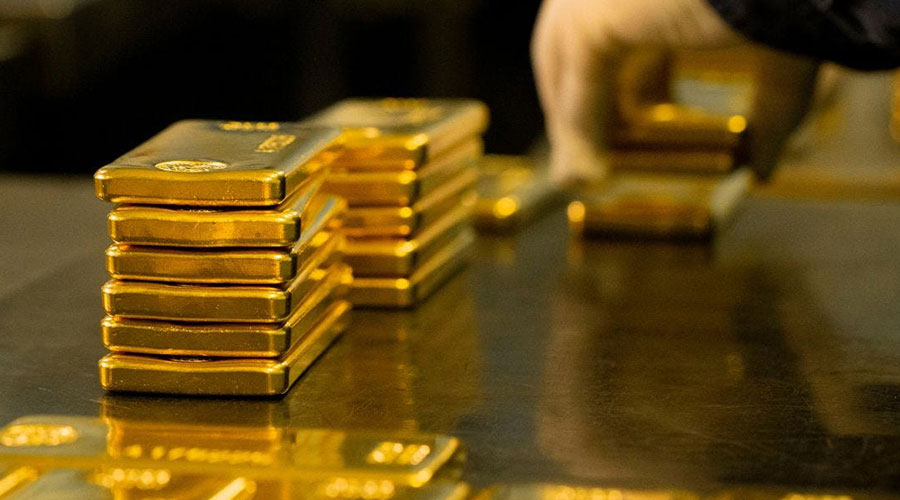
Contact Buy Gold Bars Africa — Plan Your Uganda Gold Buying Visit
Whether you are coming to Uganda to source gold bars, gold dust, or gold ingots from our verified supply network — or simply planning your first East Africa trip and want reliable local information — the Buy Gold Bars Africa team is available to help with your Uganda visit planning. Our contact page has our Kampala office address, phone, and WhatsApp details. We offer complimentary airport pickup for serious buying clients and can recommend reputable accommodation, tour operators, and Kampala services based on your specific requirements.
Visit our FAQs page for answers to the most common questions about buying gold in Uganda and Africa, and our about page for background on our team, operations, and supply chain.
Related Pages You May Find Useful
- Buy Gold Bars — Certified African Gold
- Gold Dust for Sale from Africa
- Gold Ingots for Sale
- Gold in Africa for Sale
- Gold Stock — Current Inventory
- Uganda Gold Mines — Complete Guide
- Uganda Gold Discovery in Northern Region
- Gold Export Tax in Uganda — Regulatory Guide
- What Does It Cost to Ship Gold to the USA from Africa?
- Where Can I Buy Raw Gold?
- Gold Mining in South Africa
- Gold Mining in Guinea
- How Is Gold Mined and Processed
- List of Gold Refineries in Ghana
- Dubai Gold Export Rules — Buyer’s Guide
- Buy Gold in the UK — From African Sources
- FAQs About Buying Gold in Ghana
- FAQs About Buying Gold in South Africa
- FAQs About Buying Gold in Sierra Leone
- Buying Gold in Croatia
- Buy Gold Online in Monaco
- Buy Gold Bars Online Ukraine
- Buy Gold Online in Kazakhstan
- FAQs — Common Questions About Buying African Gold
- About Buy Gold Bars Africa — Our Story and Team
- Contact Buy Gold Bars Africa — Kampala Office